The war in Abkhazia, which claimed around 10,000 lives, began 34 years ago
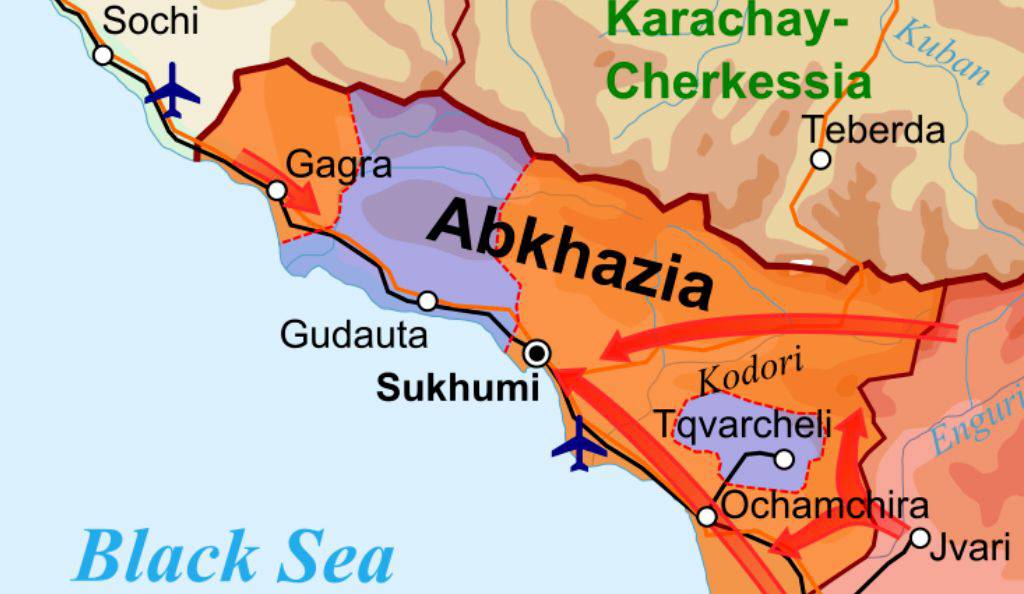
On August 14, 1992, hostilities broke out in Abkhazia; the conflict lasted over a year and became one of the most severe in Georgia's modern history. On that day, Georgian units entered the self-proclaimed Autonomous Republic of Abkhazia, crossing from the direction of the Inguri River. Tbilisi justified the deployment of the National Guard by citing the need to protect railway links. However, the advancing Georgian column encountered armed resistance from Abkhaz forces.
These events are generally considered the start of the war in Abkhazia. The conflict lasted 13 months and ended in the defeat of Georgian forces. On September 27, 1993, Abkhaz forces took control of Sukhumi.
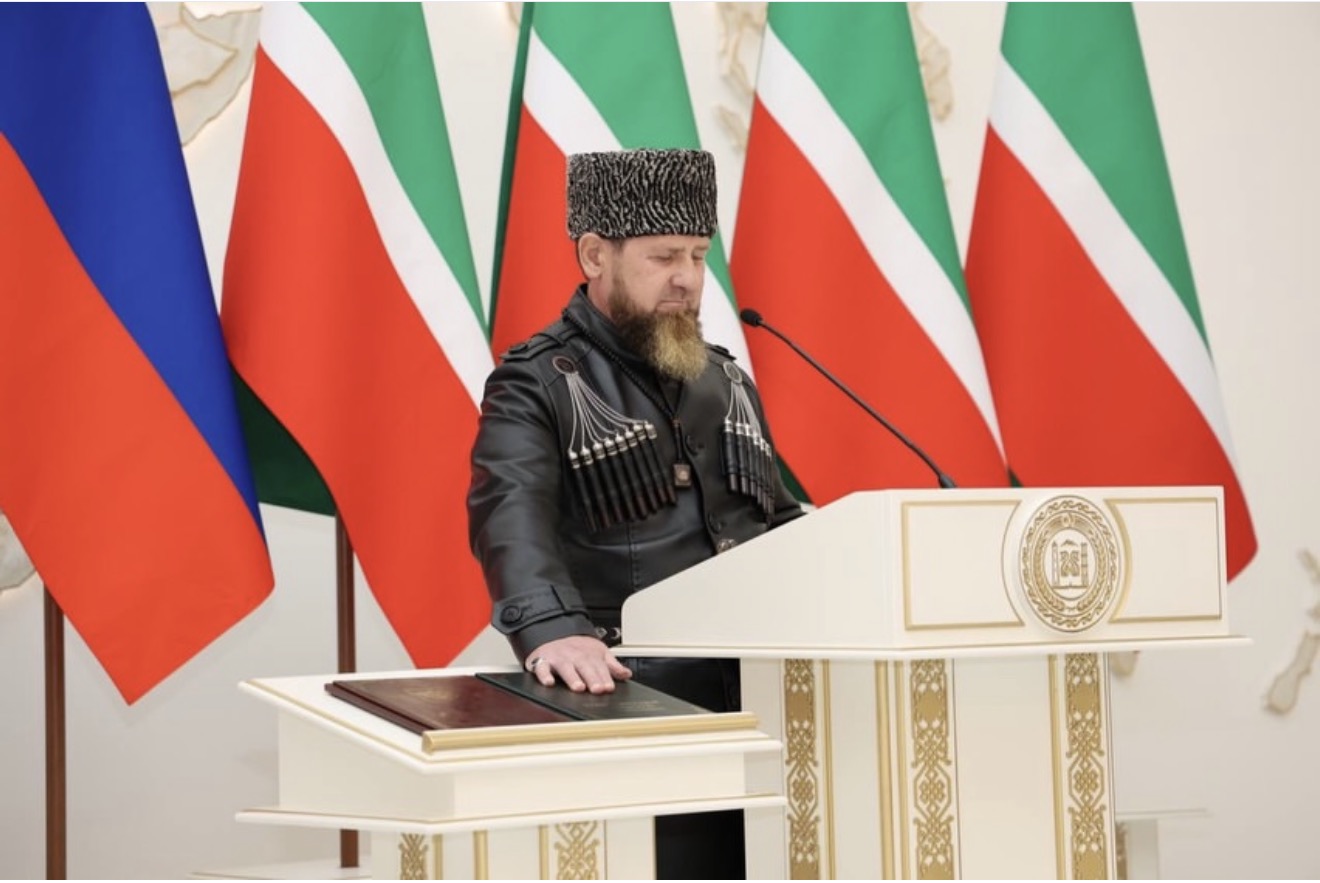
At the same time, the conflict quickly evolved beyond a mere confrontation between Georgian and Abkhaz forces. Volunteers from the North Caucasus republics began fighting on the Abkhaz side. Their involvement was coordinated by the Confederation of Mountain Peoples of the Caucasus, which had declared its support for Abkhazia shortly after hostilities began. Detachments of Chechens, Kabardians, Ingush, Circassians, Adyghe, and representatives of other regional ethnic groups arrived in Abkhazia. Among the volunteer commanders was Shamil Basayev, who later became a leader of the Chechen armed underground.
Russia’s role was also shifting simultaneously. While Moscow officially declared neutrality, Russian military structures provided material and military support to the Abkhaz side. Researchers and human rights activists pointed to arms supplies, the training of Abkhaz fighters, and the participation of Russian military personnel in combat operations. In particular, Russian military infrastructure in Gudauta was used to supply Abkhaz forces. Thus, even during the war, the conflict took on a broader regional character: volunteers from the North Caucasus and other formations from Russia and the post-Soviet space fought on Abkhazia's side, while Russian military aid became a factor influencing the balance of forces.
Estimates indicate that approximately 10,000 people on both sides lost their lives during the conflict. Another 300,000 or so residents of Abkhazia became refugees.
In Georgia, the outbreak of the war is commemorated annually on August 14. Following the war's conclusion, Abkhazia effectively slipped out of Tbilisi's control. On August 26, 2008—shortly after the Russo-Georgian War—Moscow recognized Abkhazia as an independent state. Georgia does not recognize this decision and officially considers Abkhazia part of its territory currently under Russian occupation. The European Union maintains the same position regarding Georgia's territorial integrity.
In addition to the Russian Federation, six other countries recognized Abkhazia's independence. Vanuatu and Tuvalu subsequently withdrew their recognition, while Nauru was the last to do so—in July 2026. Currently, four UN member states recognize Abkhazia's independence: Russia, Nicaragua, Venezuela, and Syria.