Accident or Sabotage? Georgia Investigates Cause of Blackouts
Georgia's State Security Service has opened a criminal investigation into a series of major power outages that hit the country on two consecutive days, 24 and 25 July. The inquiry is being pursued under the article of the criminal code covering attacks on facilities of strategic importance to the state — cases in which someone deliberately disables or disrupts critical infrastructure, thereby endangering the country's broader interests. That provision, Article 318, titled "Sabotage," forms the legal basis of the case.
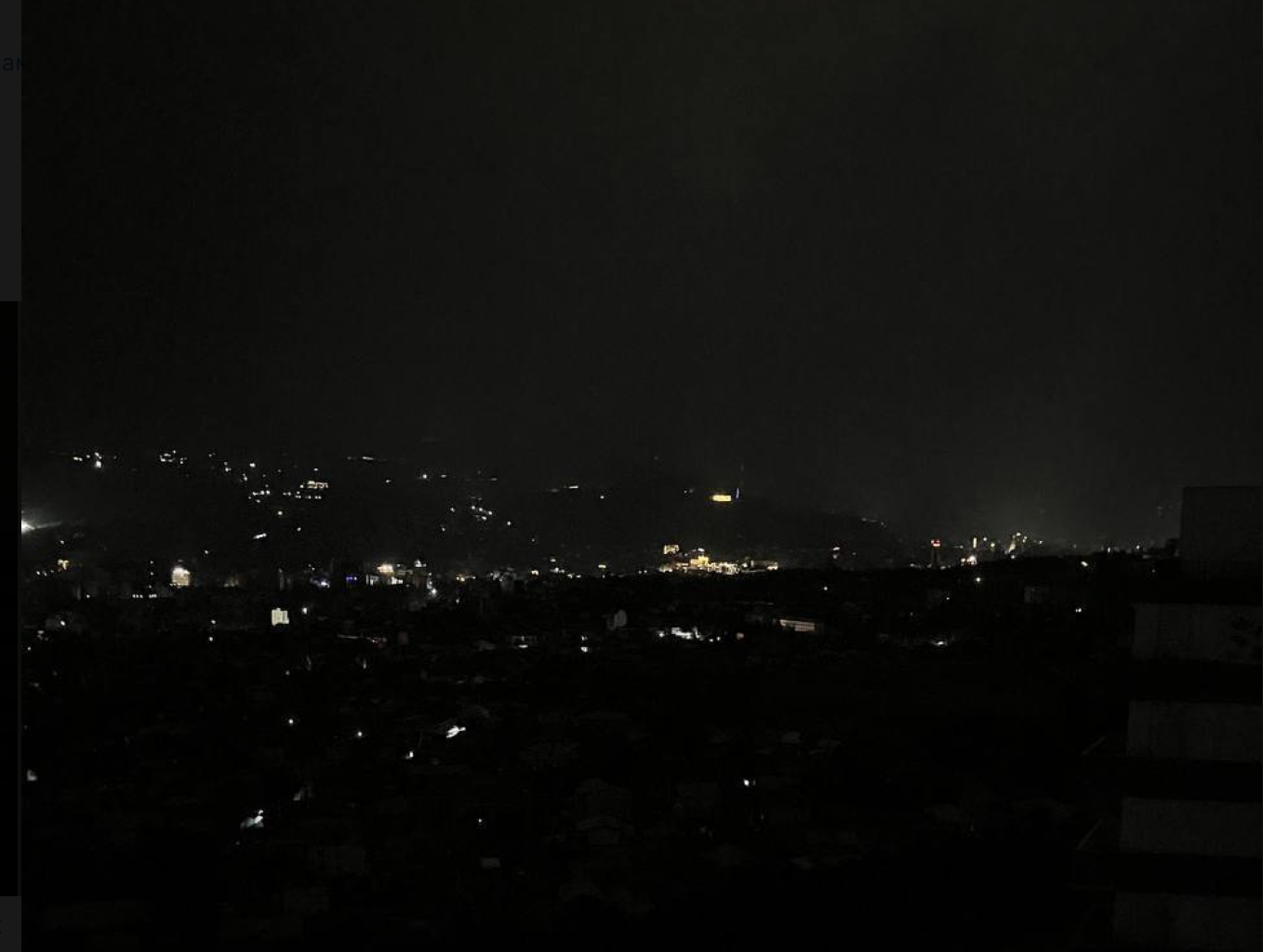
The first large-scale blackout struck overnight from Thursday into Friday, 24 July. The second followed the next morning, at around 8:00 local time. On both occasions the entire country was left without power for several hours: street lighting failed, trains stopped running, and Tbilisi's metro ground to a halt. The disruption also extended into neighbouring Abkhazia.
According to Georgia's State Electrosystem, electricity demand plunged sharply during the outages, dropping from a typical 1,860 megawatts to just 563. Initial explanations pointed to a systems failure at the Inguri hydroelectric power plant, which is jointly operated by Georgia and Abkhazia; Abkhazia's energy ministry offered the same account.
A more specific technical detail later emerged: Levan Mebonia, director of the Inguri plant, said the 500-kilovolt "Imereti" transmission line had gone down — one of the key arteries carrying the bulk of the load on Georgia's power grid.
In its statement, the State Security Service named no suspects and offered no preliminary theory, confirming only that a case had been opened and specifying the article of the criminal code under which it was classified. The agency indicated, however, that it did not intend to keep the investigation entirely under wraps and would disclose further details as the inquiry progressed.
The sabotage statute covers a broad range of scenarios, from deliberate attacks to other actions that endanger state interests, and its invocation does not in itself confirm that intentional interference has been established. Analysts note that power outages often trigger criminal investigations, and that such cases are about as likely to stem from official negligence as from deliberate sabotage; Georgian officials have not yet indicated which explanation they consider the leading one.
This week's blackouts were unusual in scale for Georgia — two consecutive waves of outages affecting the entire country, including the capital and areas bordering Abkhazia. It appears to be precisely that scale and repetition that prompted authorities to open the case directly under the sabotage statute, rather than limit the response to an internal review by energy companies.