Azerbaijan again links peace deal with Armenia to constitutional change
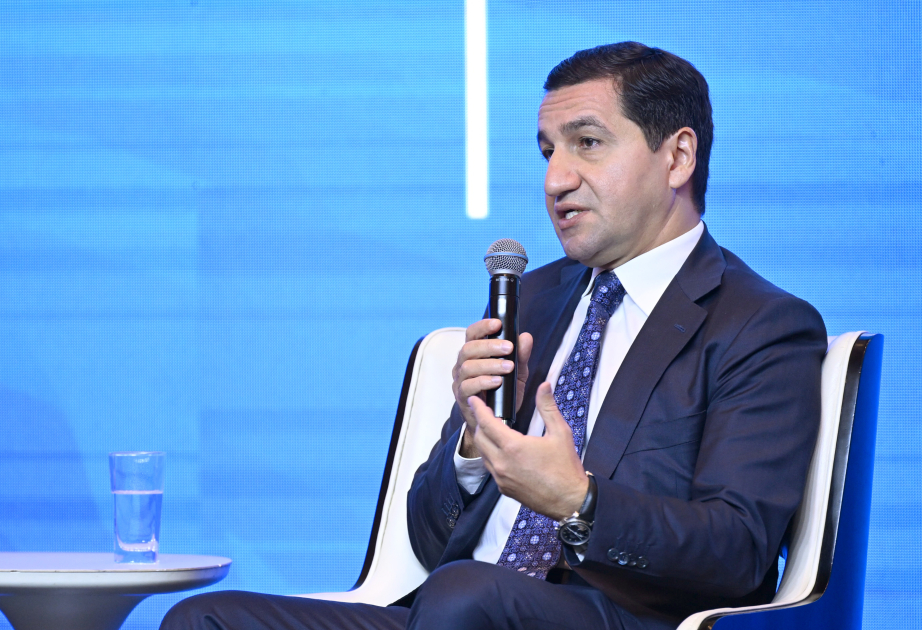
A final peace agreement between Azerbaijan and Armenia could be signed after Armenia amends its constitution. Hikmet Hajiyev, an aide to Azerbaijan’s president and head of the foreign policy department of the Presidential Administration, said this on 2 October at the CAMCA Regional Forum, a platform bringing together political and business representatives from Central Asia, Mongolia, the Caucasus and Afghanistan.
According to Hajiyev, the decades-long Armenian-Azerbaijani conflict has already been resolved, but the outcome now needs to be formalised through a peace agreement.
“There is peace and security in the Caucasus. If security and peace are not ensured in the Caucasus, completely different realities may emerge in our region,” Hajiyev said.
He said Azerbaijan had demonstrated “strategic patience and leadership” during the conflict. According to Aliyev’s administration official, after the war ended, the two sides faced the task not only of ending hostilities but also of achieving lasting peace.
“However, after victory in the war, achieving peace is also an important issue. In this struggle, we achieved peace through the strategic thinking and leadership of President Ilham Aliyev,” Hajiyev said, attributing the progress in the peace process to the Azerbaijani president.
Baku has described an amendment to Armenia’s constitution as the final condition for signing a peace agreement. Azerbaijan is demanding the removal from the constitution of a reference to the 1990 Declaration of Independence, which contains a provision concerning the “reunification of the Armenian SSR and Nagorno-Karabakh”.
The Azerbaijani side argues that retaining the reference creates a legal basis for potential territorial claims in the future. Baku also says that the peace agreement could subsequently be challenged in Armenia’s Constitutional Court or revised by future governments because of the constitutional provision.
Armenian Prime Minister Nikol Pashinyan does not present the constitutional changes as a concession to Azerbaijan or as a condition imposed by Baku. He has said that adopting a new constitution is an internal Armenian agenda and that it was included in his party’s programme before the current stage of the Armenian-Azerbaijani peace process.
At the same time, Pashinyan himself supports removing the reference to the 1990 Declaration of Independence from the new constitution. He links the document to the logic of the Karabakh movement and argues that retaining the reference in the new constitution would preserve the political logic of the previous conflict.
The Armenian authorities, however, reject Baku’s assertion that the current constitution contains territorial claims against Azerbaijan. Pashinyan points to a 2024 ruling by Armenia’s Constitutional Court, which found that the country’s constitution does not contain such claims.
The prime minister also points out that the agreed text of the peace agreement provides for mutual recognition of territorial integrity and a renunciation of territorial claims.
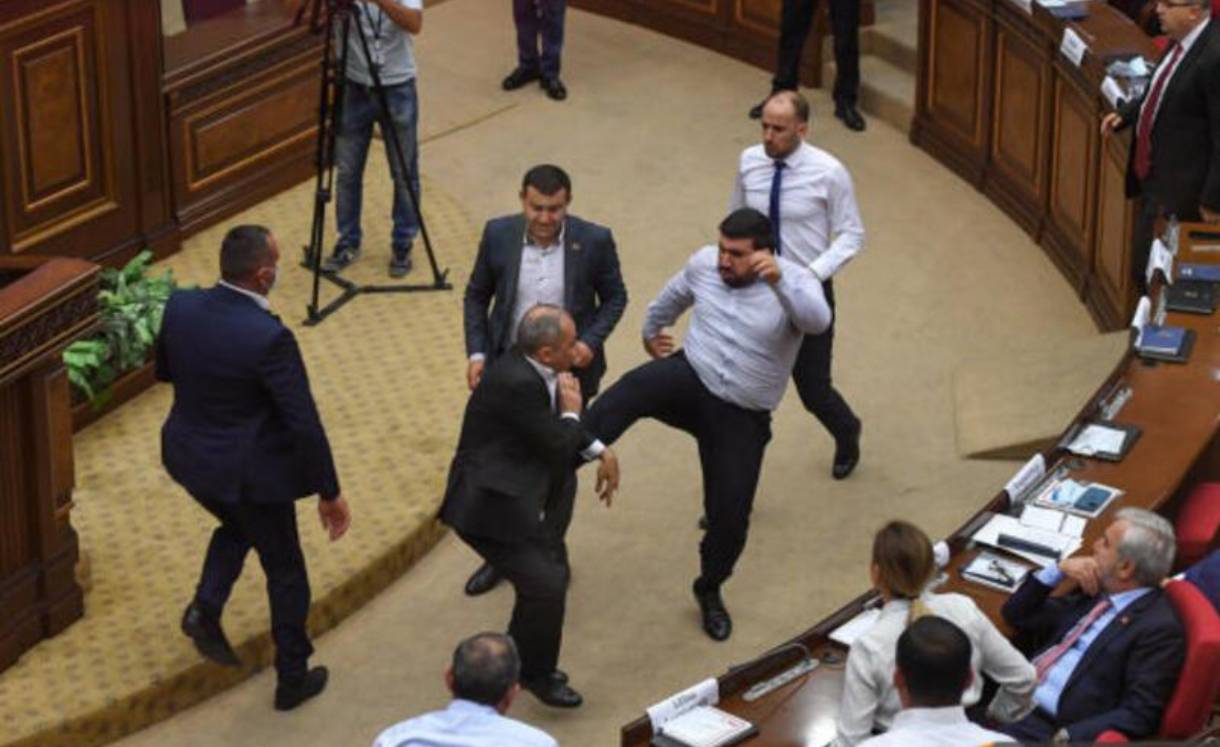
Armenia’s parliamentary opposition opposes the constitutional reform in the form proposed by the government. Opposition forces argue that the changes are primarily linked to Azerbaijan’s demands and support retaining the Declaration of Independence as one of the foundational documents of Armenian statehood.