Azerbaijani political prisoner-theologian was put in a punishment cell

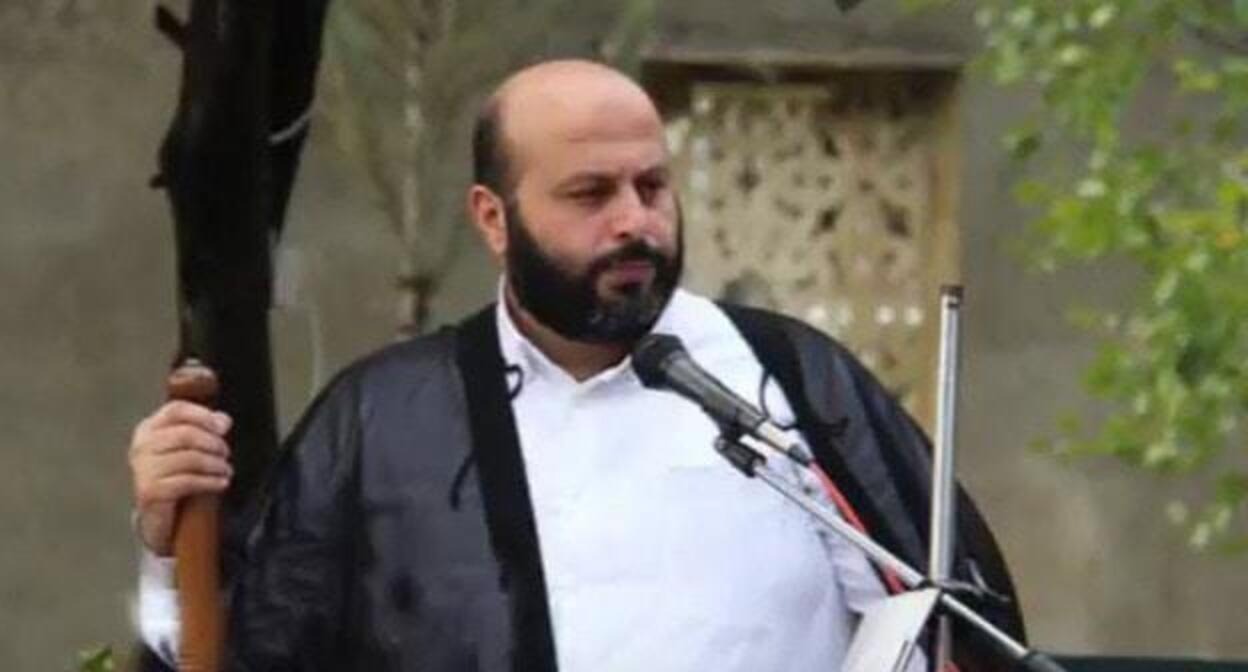
In Azerbaijan, the Shiite theologian Sardar Babayev, who was taken to prison, was immediately put in a punishment cell. He refused to sign the violation report and give any evidence against himself.

Babayev told the lawyer that one of the high-ranking officials of the colony said that the decision to place him in solitary confinement came “from above” and that the ground was being prepared for his sending to the closed Gobustan prison.

The head of the Center for Monitoring Political Prisoners, Elshan Hasanov, noted that in Azerbaijan there have already been cases of tightening the regime of punishment of theologians and religious figures. At one time, the leader of the Islamic Party Movsum Samadov, the head of the Muslim Union movement Taleh Bagyrzade and his deputy Abbas Huseynov were sent to Gobustan prison.

Earlier, a court in Baku sentenced Shiite theologian Sardar Babayev to 17 years in prison. He was found guilty of treason in favor of Iran. He himself stated that the charges were fabricated, calling himself “a victim of the deterioration of Azerbaijani-Iranian relations.”

According to lawyers, during the judicial investigation no substantiated and reliable evidence of Babayev’s guilt was presented. Human rights activists recognized him as a political prisoner.

Previously, the ECHR decided to pay the theologian compensation in the amount of 5 thousand euros, recognizing a violation under Art. 5 of the Convention for the Protection of Human Rights and Fundamental Freedoms (right to liberty and security of person).

Let us also recall that in 2017 Sardar Babayev was sentenced to three years in prison on charges of violating the requirements of conducting religious ceremonies.
Последние новости
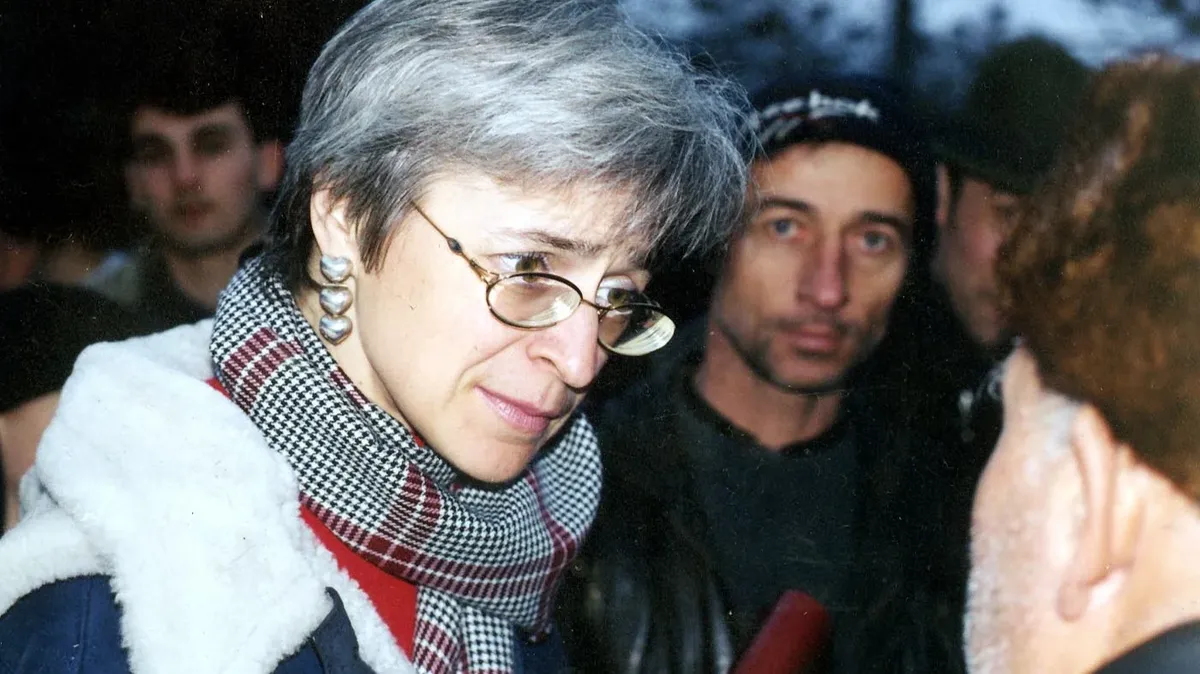
Disappearances, raids and torture: what Anna Politkovskaya wrote about the second Russian-Chechen war
Chronicle of Wars and Crimes
Disappearances, raids and torture: what Anna Politkovskaya wrote about the second Russian-Chechen war
7 October 2026

Anna Politkovskaya was killed on 7 October 2006. Her articles, written from behind Chechnya’s blood-soaked information wall and barbed wire, became a voice of truth — the truth about what residents of the republic were experiencing as they became a convenient and powerless collective victim of the global “fight against international terrorism”.

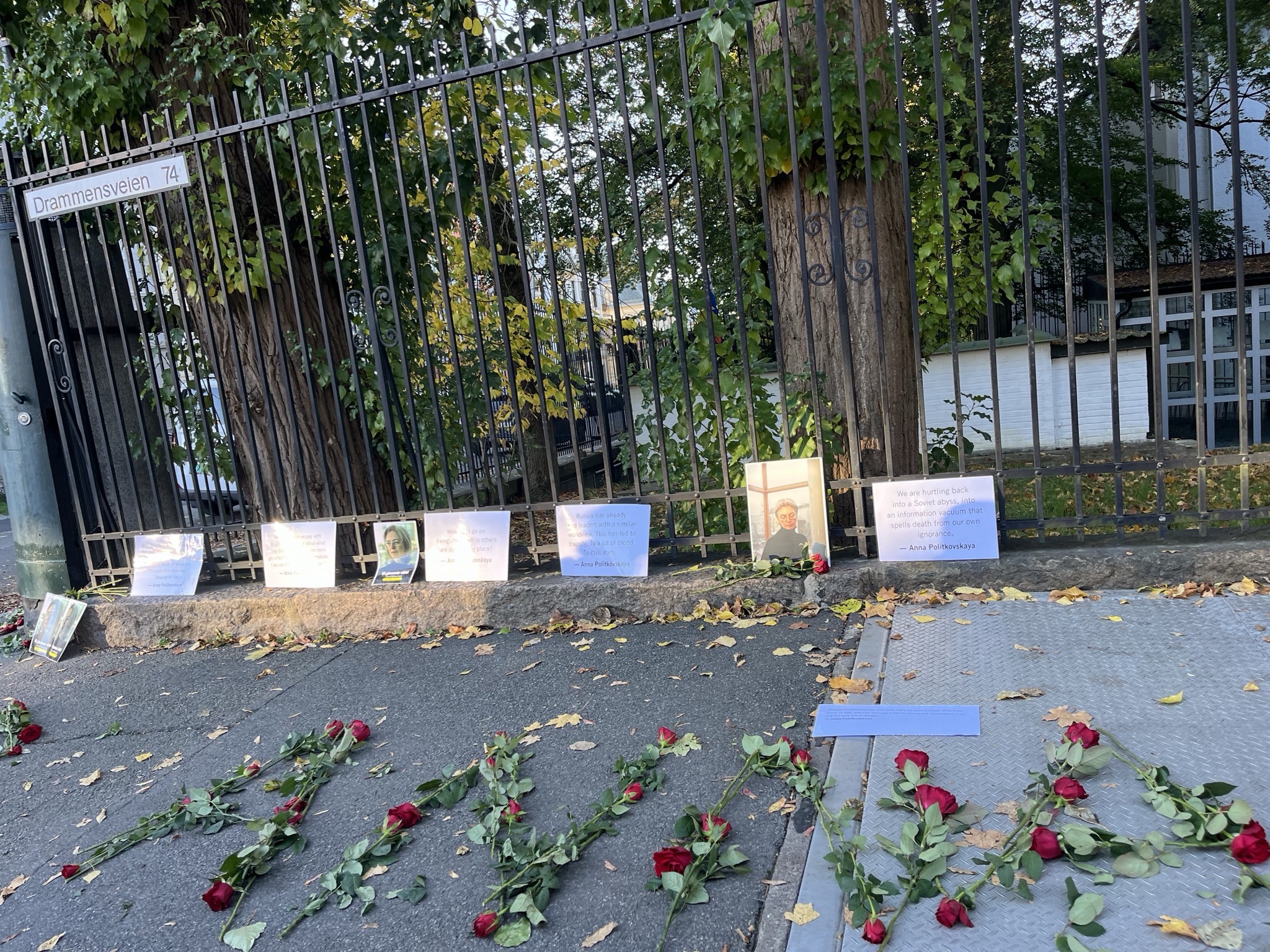
Anna Politkovskaya’s name laid out in flowers in Oslo
Human rights
Anna Politkovskaya’s name laid out in flowers in Oslo
7 October 2026

Memorial events for Anna Politkovskaya are taking place in countries around the world today, marking 20 years since the murder of the journalist, who spent many years reporting on the war in Chechnya and human rights violations.


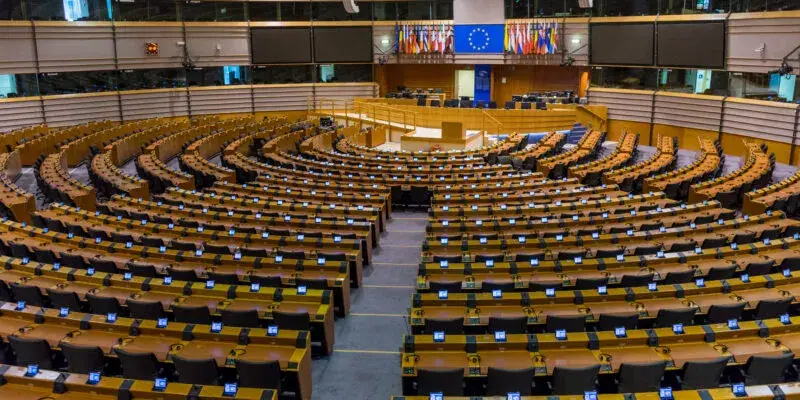
European Parliament Demands Withdrawal of Lawsuit to Ban Opposition Parties in Georgia
Politics
European Parliament Demands Withdrawal of Lawsuit to Ban Opposition Parties in Georgia
7 October 2026

In a draft resolution, the European Parliament has called on Georgian authorities to immediately withdraw the constitutional lawsuit seeking to ban opposition parties. The document is set for a vote on October 8, following a debate on the country's political situation taking place in Strasbourg on October 7.

On Putin’s birthday, Kadyrov speaks of the
Politics
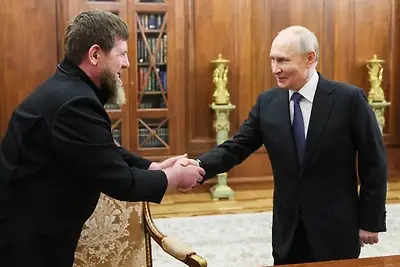
On Putin’s birthday, Kadyrov speaks of the "special significance" of his name for Chechnya
7 October 2026

Chechen leader Ramzan Kadyrov congratulated Vladimir Putin on his birthday and stated that the Russian president's name holds "special significance" for the Chechen people. According to Kadyrov, the region will "never forget" the support Putin extended to his father—Chechnya’s first president, Akhmat-Khadzhi Kadyrov—"at a time when the future of the Chechen Republic depended on the decisions being made."