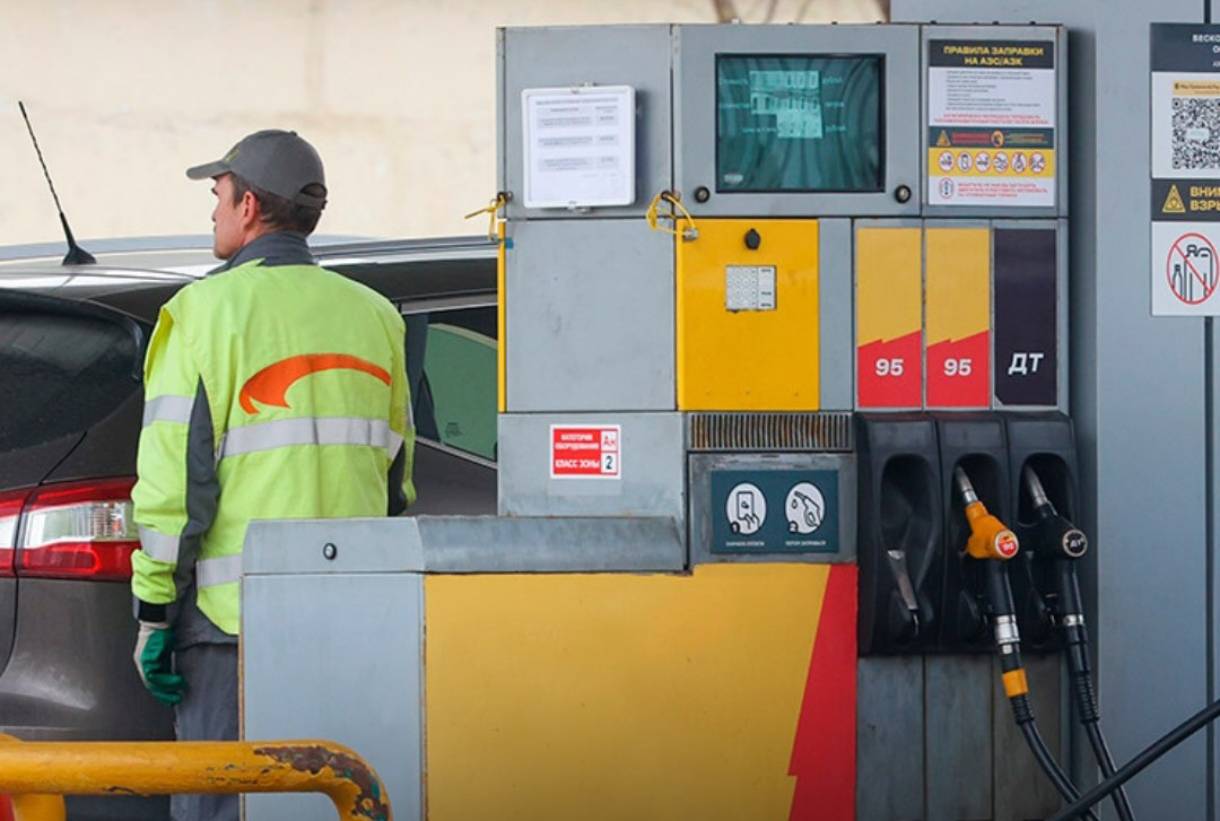
Private gas stations across Russia are being put up for sale in large numbers; the crisis has also affected Ingusheti
Owners of private gas stations across various Russian regions have begun putting their businesses up for sale en masse. According to the publication *Govorit NeMoskva*, journalists found over 170 listings for gas stations on the classifieds site Avito alone—ranging from small container-type stations to full-scale complexes complete with land and staff.
Listings have appeared in dozens of regions, including the Rostov, Belgorod, Saratov, Orenburg, Novosibirsk, Astrakhan, and Bryansk regions; the Primorsky, Krasnoyarsk, and Perm krais; and the republics of Adygea, Tatarstan, and Bashkortostan.
Sources speaking to the publication cite the primary reason for the sell-off as the business ceasing to be profitable, with many owners already finding themselves in debt.
One entrepreneur told journalists that independent gas stations are at a distinct disadvantage. He explained that oil refineries are owned by major companies that prioritize supplying their own retail networks. If private operators do manage to purchase fuel, they pay a significantly higher price. Consequently, they are forced to either sell gasoline at prices well above those of the major chains or operate at a loss.
The situation is exacerbated by a fuel crisis that, according to the publication, peaked in the first half of July. At that time, some regions imposed limits on the amount of gasoline a single customer could purchase, and long lines formed at stations. Although authorities now speak of a "partial stabilization" of the market, officials themselves acknowledge that the situation remains tense in a number of regions.
Ingushetia has also been affected by these problems. Back in June, prices for all major fuel types surged in the republic: the cost of gasoline rose by approximately 10 rubles per liter, and authorities discussed the situation with the regional office of the Federal Antimonopoly Service (FAS). Motorists soon began reporting disruptions in fuel sales: some gas stations—including Rosneft locations—suspended operations without explanation, while the Narus chain switched to a fuel-voucher system. Residents complained on social media about having to visit multiple stations in search of fuel, and some locations imposed limits on the volume of gasoline that could be purchased.