Europe does not want to accept Chechen refugees fleeing mobilization in Russia
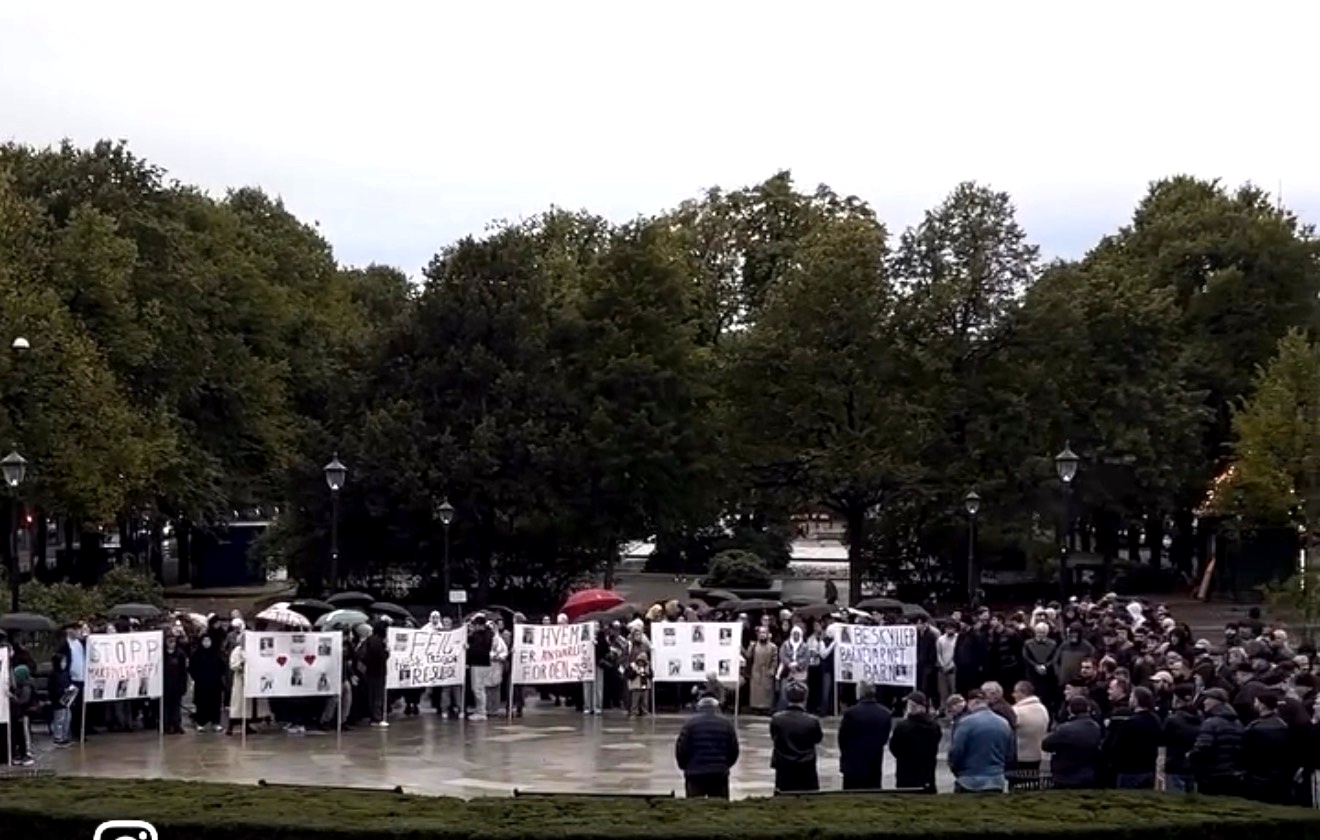
On January 3, in front of the Croatian Embassy in Vienna, a rally of representatives of the Chechen diaspora took place, protesting against the extradition of refugees who are fleeing to Europe from mobilization in Russia and encountering opposition on the borders of the Balkan countries.
According to the representative of Ichkeria in Austria, Roza Dunaeva, discrimination against refugees has become widespread.
The day before, the human rights organization “Vayfond” published a report “The situation with refugees in Croatia and Bosnia.”
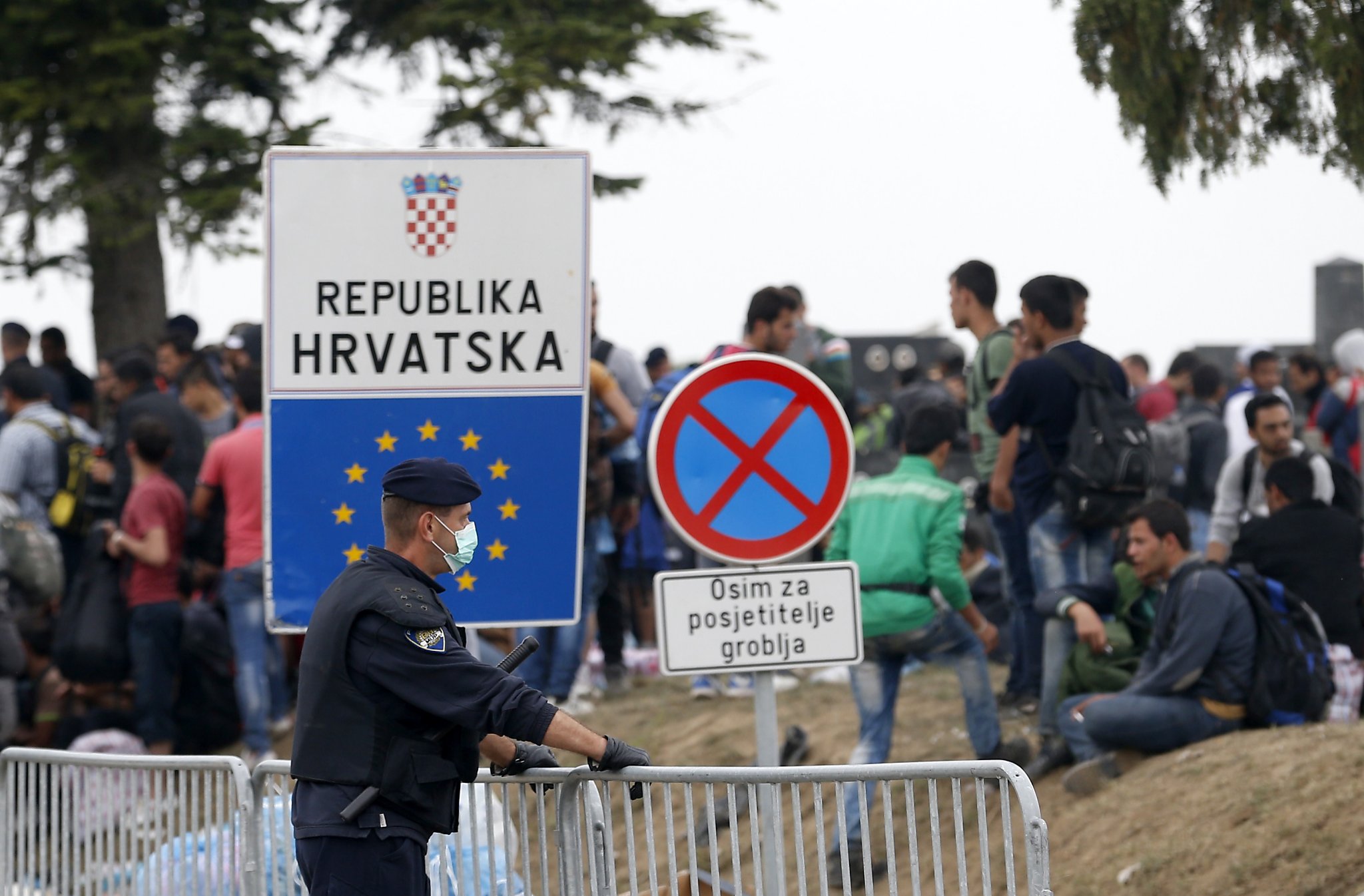
“The flow of Chechens to Bosnia, and then to Croatia, increased in December, when mobilization activities intensified,” the document says. — By the twentieth of December, dozens of refugees from the Chechen Republic began to accumulate at the border crossings between Bosnia and Croatia. As eyewitnesses told us, at the Sarajevo airport, from all the arrivals, the border guards singled out the Chechens, specifying the republic of origin, and did not allow them into the country under completely different pretexts. Dozens of people were subjected to unjustified deportation. According to numerous testimonies, people assured border guards that their lives and freedom were in direct danger in Russia. Deportation to Turkey, therefore, also poses a danger for them. There is a high probability that the Chechens will be deported from there to Russia, where extrajudicial reprisals await the draft dodgers from the Chechen Republic. Despite this numerous information, border guards expelled some Chechens from the country. Some, out of despair and fearing to remain in Turkey, flew to Sarajevo again.”
According to Vayfond, during the pre-New Year week, from 500 to 700 Chechens entered the European Union through Croatia. “Poll data varies, and authorities do not provide figures by region of origin. “We estimate, based on interviews with refugees, that between five hundred people a week pass through the two border crossings between Bosnia and Croatia.” The report describes several individual cases of detention of refugees from Chechnya and Ingushetia at the border.
Earlier, on December 29, a group of two dozen refugees from Chechnya and Ingushetia were expelled from Bosnia and Herzegovina to Turkey. They planned to seek political asylum in Croatia. Among them were men who fled Russian mobilization and members of their families. On December 26, about 60 Chechen refugees with children accumulated on the border of Bosnia and Herzegovina with Croatia. All of them encountered problems leaving the country, they are threatened with deportation to Russia through Turkey, human rights activists from Chechen organizations in Europe argued.
In early November, it became known that 50 Chechens were detained in Croatia. According to the Assembly of Chechens of Europe, some of them were subjected to violence, threats and insults.
Most refugees do not intend to stay in the Balkans, intending to move to more prosperous European countries. However, even there they may face deportation.
For example, on January 18 it became known that France was going to deport a 44-year-old refugee from Chechnya named Zelimkhan. He is currently serving a 6-year sentence in a French prison for participating in military operations in Syria as part of the Free Syria group. Meanwhile, according to Zelimkhan’s relatives, this group is not recognized as terrorist and no sanctions have been imposed against it.
“France is going to expel him just like everyone else who has served a custodial sentence,” says Pascal Chaudot, head of the French human rights organization Comité Tchétchénie. “But at the moment, deportation is impossible due to the lack of direct flights between Russia and France, which stopped after the start of the war.”
If Zelimkhan is expelled from France, he will face torture and extrajudicial execution in his homeland.
The French Ministry of Internal Affairs began to deport Chechens en masse after the brutal murder of teacher Samuel Paty in the suburbs of Paris by a native of Chechnya. Paty was beheaded on October 16, 2020, after showing students caricatures of the Prophet Muhammad from Charlie Hebdo magazine during a lesson on freedom of speech. On May 29, 2021, Amnesty France, the French League of Human Rights and Comite Tchetchenie issued a joint statement calling on the country's authorities to stop the deportation of Chechen refugees to Russia.