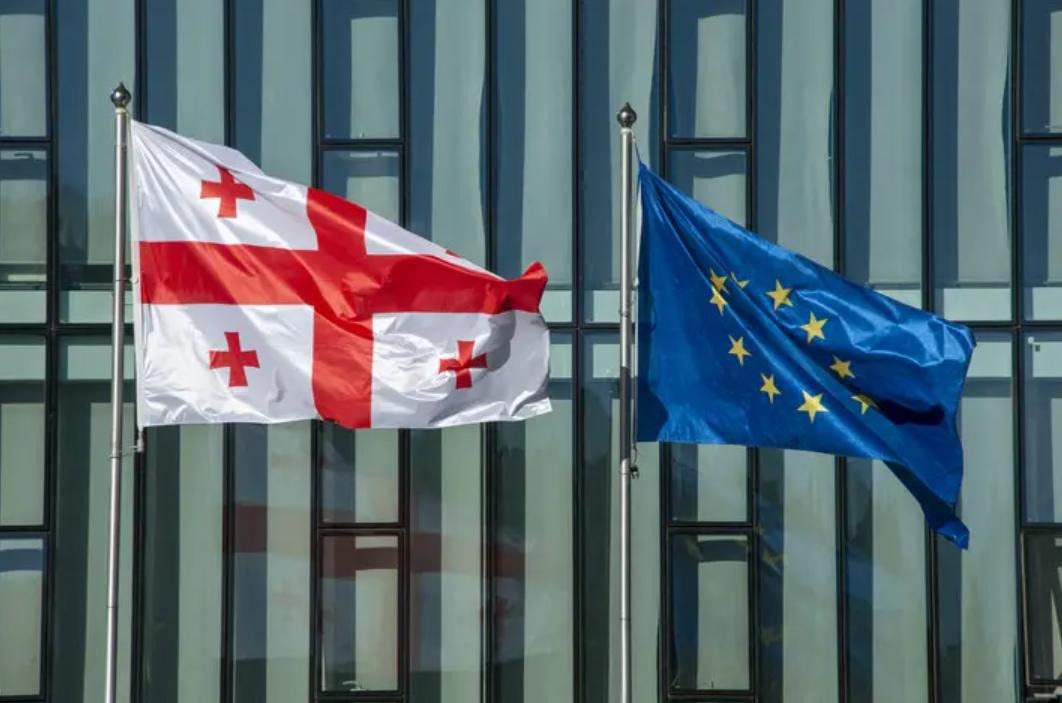
The European Parliament adopted another critical resolution on Georgia
On June 19, the European Parliament adopted a resolution calling for freedom of the independent press in Georgia and the release of Mzia Amaglobeli. The document was approved by 324 parliamentarians, only 25 voted against.
The authors of the resolution – 63 MEPs from 5 political groups of the European Parliament – demand that the ruling Georgian Dream immediately release the founder of the Batumelebi and Netgazeti publications Mzia Amaglobeli and other political prisoners. The text also strongly condemns the systematic attacks on representatives of the media, the opposition and democratic institutions.
“The European Parliament expresses deep concern about arbitrary detentions, violence and harassment of journalists in Georgia, including smear campaigns, legal harassment, violence and gender-based violence in detention; calls for independent investigations and calls on the authorities to immediately stop intimidation and ensure the safety and freedom of journalists,” the document says.
On June 3, the European Parliament's Subcommittee on Human Rights (DROI) held an extraordinary meeting to review the situation in Tbilisi. The European Parliament's rapporteur on Georgia, Rasa Juknevičienė, stressed that she does not have time to add to the report on the country's rollback from democracy - the government is acting so quickly. She expressed concern about the risk of closing two critical media outlets operating in Georgia, emphasizing that "this will be the end of freedom of speech." According to Juknevičienė, the only way out of the crisis in Georgia is "new, fair and free elections."
Earlier, the EP adopted a number of critical resolutions on Georgia, including an appeal to the international community to join the boycott of the "self-proclaimed" government formed by the "Georgian Dream." The European Parliament considers the fifth president, Salome Zurabishvili, to be the only legitimate representative of power in the country.
Official Tbilisi, in turn, states that the EP resolutions are dictated by the interests of the so-called Deep State – a shadow network of influence. The ruling party calls the European Parliament rapporteur on Georgia an “infection” and a prominent representative of the “party of global war”.