The European Parliament, Zurabishvili and Amnesty International condemn the freezing of Georgian NGOs' accounts

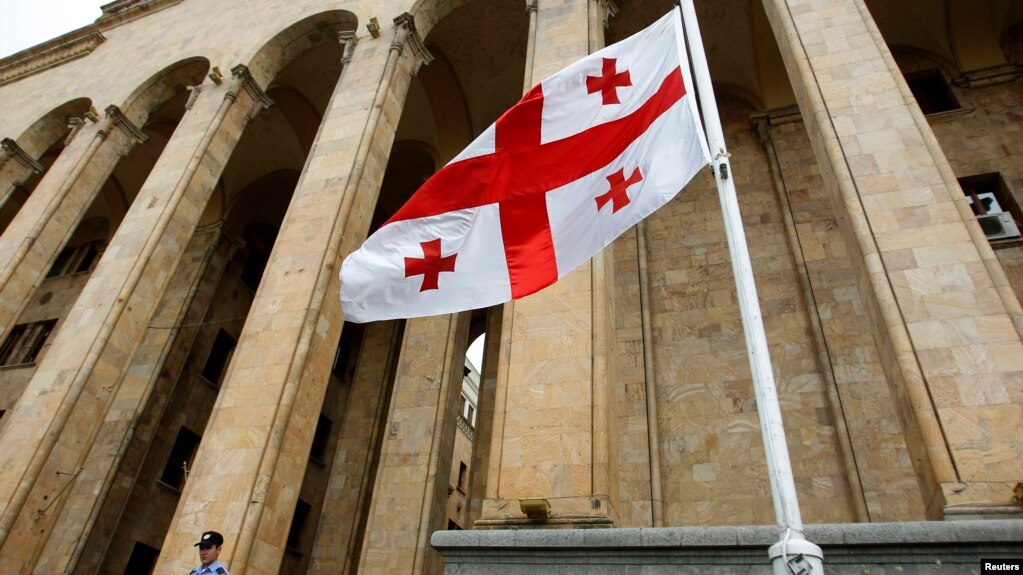
The freezing of the accounts of seven non-governmental organizations in Georgia has caused a sharp reaction both inside and outside the country.

The European Parliament's rapporteur on Georgia, Rasa Juknevičienė, called the court's decision an example of repression against civil society and compared the government's actions to Russian practice. According to her, the investigation into "sabotage" in which the NGOs are being investigated is far-fetched, and the EU must give a clear answer so that "Georgia is not forgotten."

The country's fifth president, Salome Zurabishvili, expressed a similar position. At a press conference on August 27, she said that the authorities "have brought the country one step closer to the Russian model" and are using "absurd accusations" against the civil sector. According to the former president, putting up with this would essentially mean "handing Georgia over to Russia," but she is confident that society will not agree to this.

The international human rights organization Amnesty International also criticized the actions of the Georgian government, pointing out that blocking accounts and initiating criminal cases under the article on "sabotage" directly restricts the activities of independent organizations and threatens their leaders. The organization's statement notes that by hindering the work of human rights defenders, the authorities themselves "sabotage the rights of their own population."
Последние новости
Disappearances, raids and torture: what Anna Politkovskaya wrote about the second Russian-Chechen war
Chronicle of Wars and Crimes
Disappearances, raids and torture: what Anna Politkovskaya wrote about the second Russian-Chechen war
7 October 2026

Anna Politkovskaya was killed on 7 October 2006. Her articles, written from behind Chechnya’s blood-soaked information wall and barbed wire, became a voice of truth — the truth about what residents of the republic were experiencing as they became a convenient and powerless collective victim of the global “fight against international terrorism”.

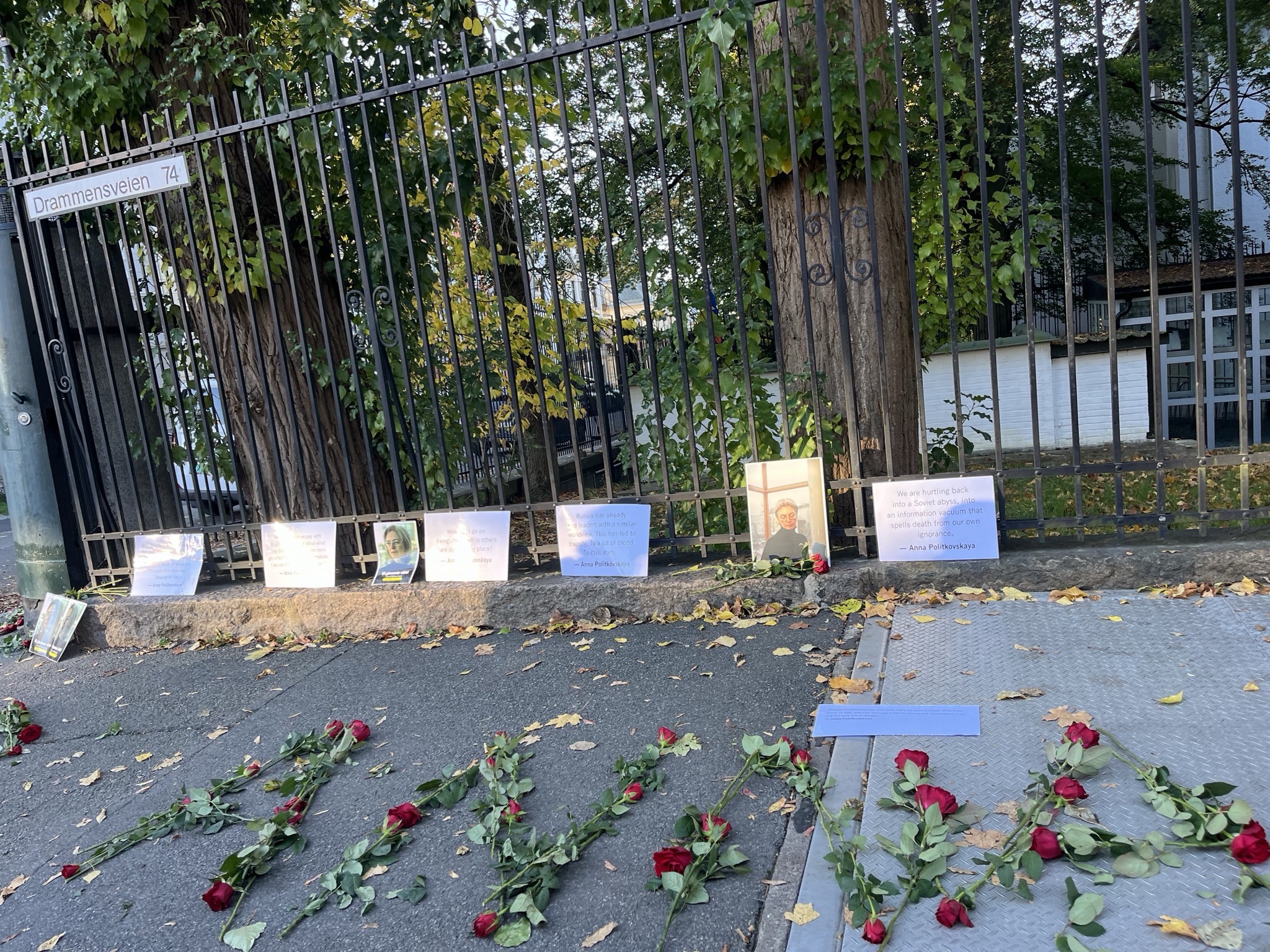
Anna Politkovskaya’s name laid out in flowers in Oslo
Human rights
Anna Politkovskaya’s name laid out in flowers in Oslo
7 October 2026

Memorial events for Anna Politkovskaya are taking place in countries around the world today, marking 20 years since the murder of the journalist, who spent many years reporting on the war in Chechnya and human rights violations.


European Parliament Demands Withdrawal of Lawsuit to Ban Opposition Parties in Georgia
Politics
European Parliament Demands Withdrawal of Lawsuit to Ban Opposition Parties in Georgia
7 October 2026

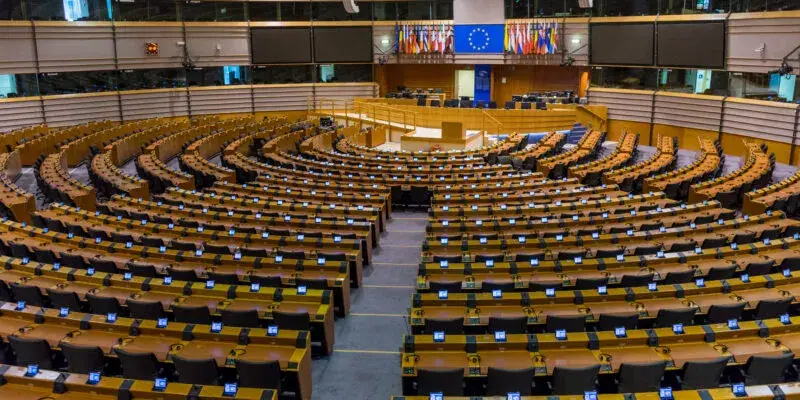
In a draft resolution, the European Parliament has called on Georgian authorities to immediately withdraw the constitutional lawsuit seeking to ban opposition parties. The document is set for a vote on October 8, following a debate on the country's political situation taking place in Strasbourg on October 7.

On Putin’s birthday, Kadyrov speaks of the
Politics
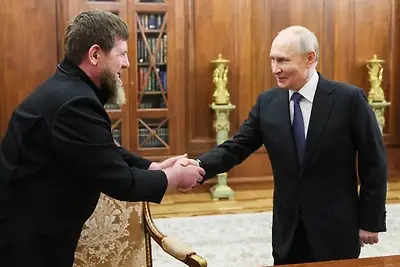
On Putin’s birthday, Kadyrov speaks of the "special significance" of his name for Chechnya
7 October 2026

Chechen leader Ramzan Kadyrov congratulated Vladimir Putin on his birthday and stated that the Russian president's name holds "special significance" for the Chechen people. According to Kadyrov, the region will "never forget" the support Putin extended to his father—Chechnya’s first president, Akhmat-Khadzhi Kadyrov—"at a time when the future of the Chechen Republic depended on the decisions being made."