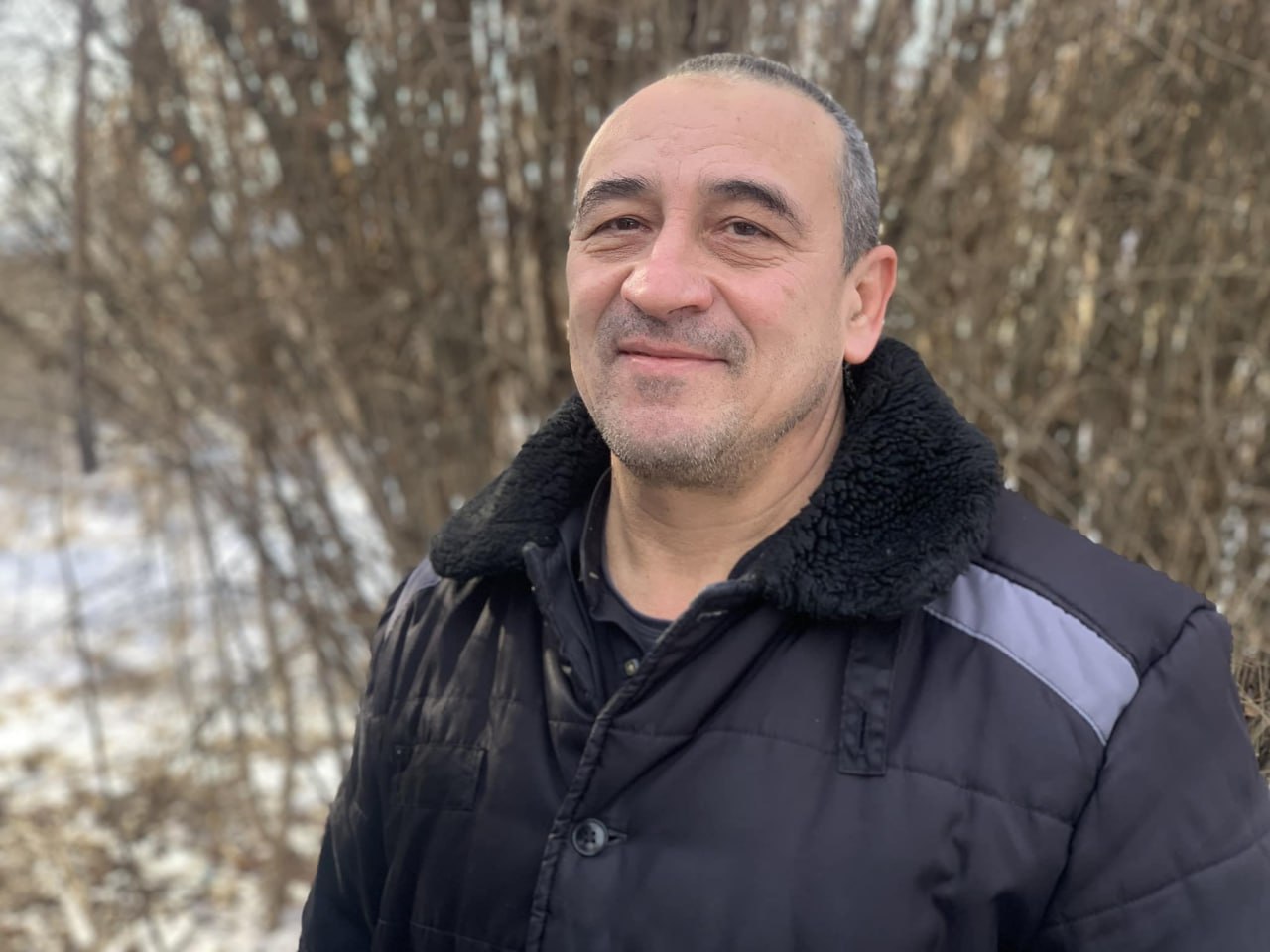
A defendant in the "Crimean Muslim case" was released after almost 9 years of imprisonment
A member of the first Bakhchisarai group in the "Hizb ut-Tahrir case", Crimean Tatar Remzi Memetov, was released from Penal Colony No. 11 in Stavropol. He was detained in 2016 and sentenced to nine years in 2018. The Supreme Court subsequently reduced his sentence to eight years and nine months.
 
In prison, Memetov suffered from high blood pressure for a long time. He often felt dizzy and his right eye did not function well.
 
In May 2016, Russian security forces conducted a series of searches in the homes of Crimean Muslims in Bakhchisarai. As a result, four men were detained: Remzi Memetov, Zevri Abseitov, Rustem Abiltarov and Enver Mamutov. They were accused of involvement in the activities of the Islamic political party Hizb ut-Tahrir, which is banned in Russia but operates freely in Europe. According to the investigation, Memetov and other defendants in the case did not have weapons or ammunition, did not plan to commit a terrorist act, and did not call on others to commit terrorist acts. However, all four were given long sentences on charges of participating in the activities of a terrorist organization and preparing for the violent seizure of power.
 
Since January 2015, criminal cases on Hizb ut-Tahrir have been opened en masse in Crimea, which came under the de facto control of Russia. The party's activities are not banned in Ukraine. Before the peninsula came under Russian control, the organization's activists published a newspaper, could speak openly in the media, and hold mass public events.
 
According to human rights activists, the party members are being persecuted not for preparing a coup d'etat and terrorism, but for criticizing the Russian authorities and the repressions in Crimea.
Последние новости
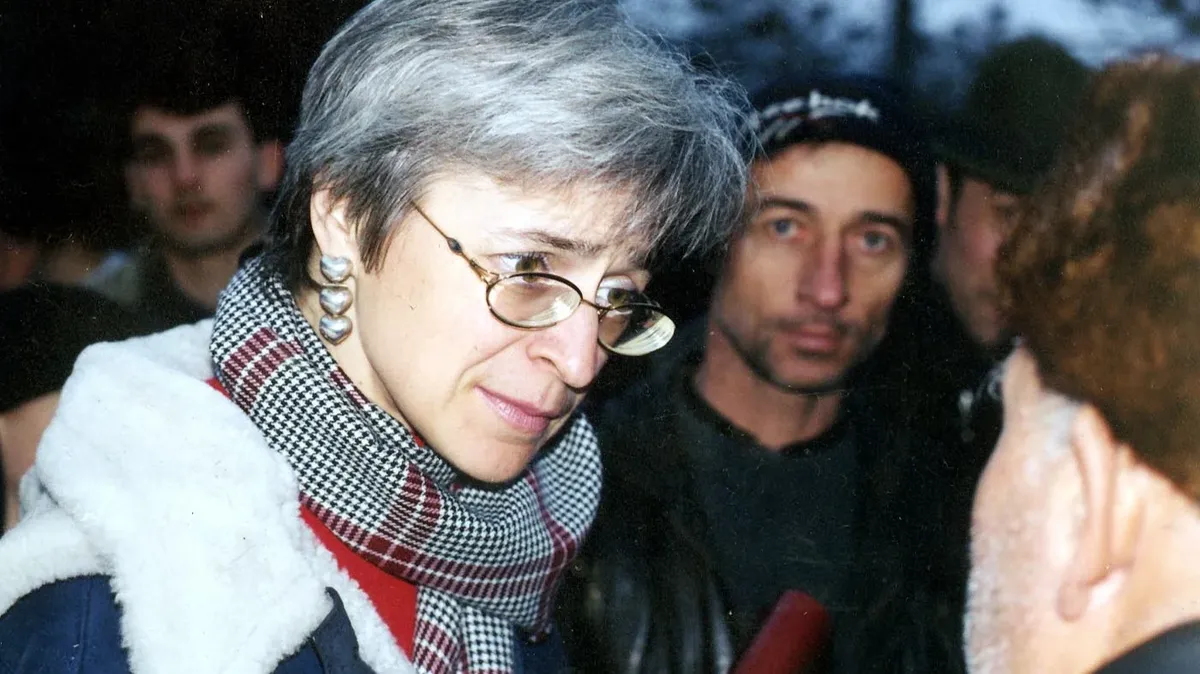
Disappearances, raids and torture: what Anna Politkovskaya wrote about the second Russian-Chechen war
Chronicle of Wars and Crimes
Disappearances, raids and torture: what Anna Politkovskaya wrote about the second Russian-Chechen war
7 October 2026

Anna Politkovskaya was killed on 7 October 2006. Her articles, written from behind Chechnya’s blood-soaked information wall and barbed wire, became a voice of truth — the truth about what residents of the republic were experiencing as they became a convenient and powerless collective victim of the global “fight against international terrorism”.

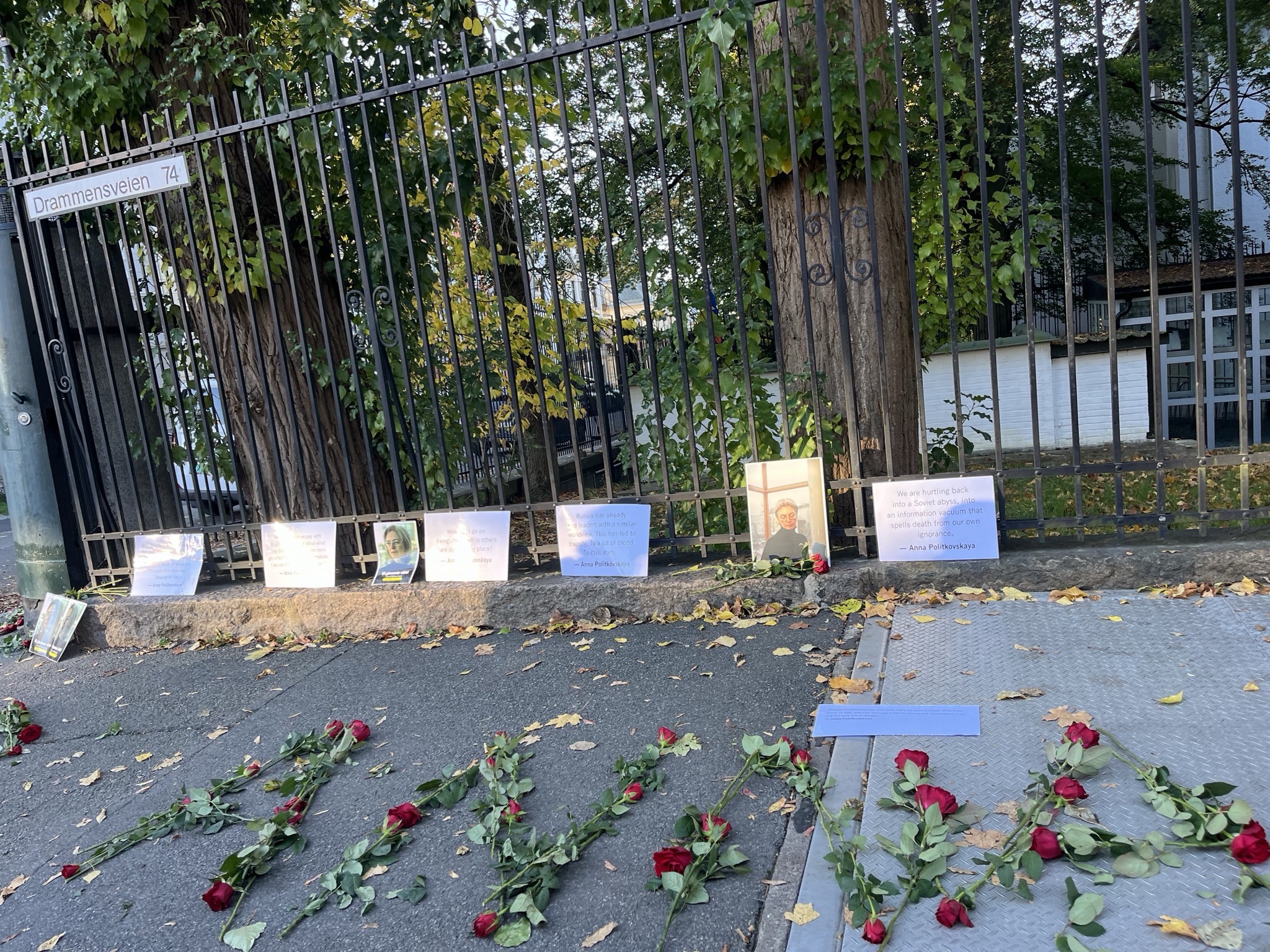
Anna Politkovskaya’s name laid out in flowers in Oslo
Human rights
Anna Politkovskaya’s name laid out in flowers in Oslo
7 October 2026

Memorial events for Anna Politkovskaya are taking place in countries around the world today, marking 20 years since the murder of the journalist, who spent many years reporting on the war in Chechnya and human rights violations.


European Parliament Demands Withdrawal of Lawsuit to Ban Opposition Parties in Georgia
Politics
European Parliament Demands Withdrawal of Lawsuit to Ban Opposition Parties in Georgia
7 October 2026

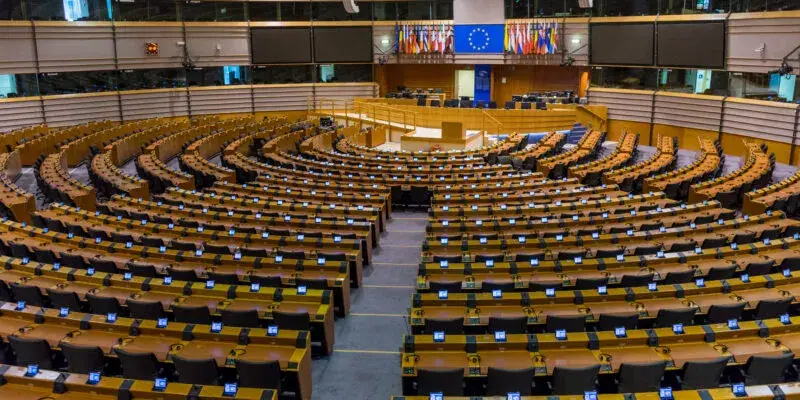
In a draft resolution, the European Parliament has called on Georgian authorities to immediately withdraw the constitutional lawsuit seeking to ban opposition parties. The document is set for a vote on October 8, following a debate on the country's political situation taking place in Strasbourg on October 7.

On Putin’s birthday, Kadyrov speaks of the
Politics
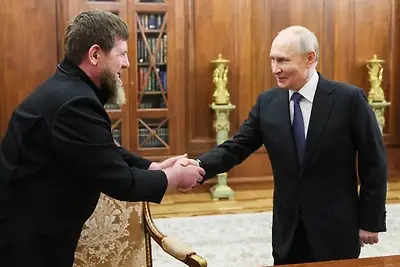
On Putin’s birthday, Kadyrov speaks of the "special significance" of his name for Chechnya
7 October 2026

Chechen leader Ramzan Kadyrov congratulated Vladimir Putin on his birthday and stated that the Russian president's name holds "special significance" for the Chechen people. According to Kadyrov, the region will "never forget" the support Putin extended to his father—Chechnya’s first president, Akhmat-Khadzhi Kadyrov—"at a time when the future of the Chechen Republic depended on the decisions being made."