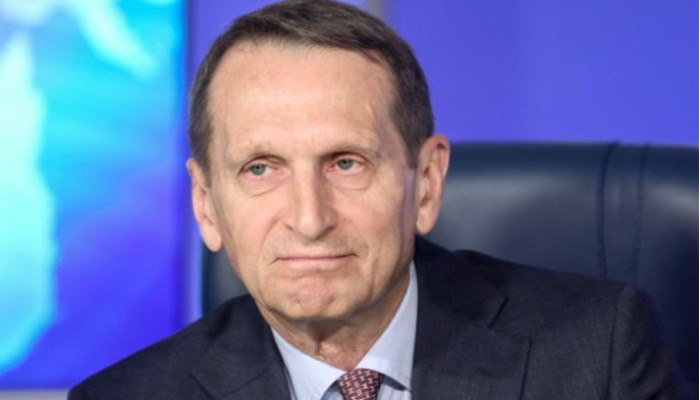
The head of Russian intelligence considers the results of the Armenian elections "questionable"
The head of Russia's Foreign Intelligence Service, Sergei Naryshkin, suggested that the Armenian authorities could face difficulties if their foreign policy relies solely on Western support. He believes such a one-sided approach could lead to domestic complications and slow the country's economic development.
According to Naryshkin, the situation in Armenia is "complicated," and the election results are "in a certain sense questionable."
"It's clear that [the situation] is complicated. The elections weren't easy, so to speak, the results are relative and, in a certain sense, questionable. Therefore, these very, I would say, lively political processes will continue," the head of the SVR noted.
The day before, the Central Electoral Commission of Armenia announced the final results of the parliamentary elections held on June 7. Incumbent Prime Minister Nikol Pashinyan's Civil Contract party won a landslide victory, receiving 49.7% of the vote, allowing it to independently form a government. The pro-Russian opposition parties Strong Armenia (23.2%) and Armenia (9.9%) also entered parliament.
Immediately after the initial vote results were announced, the Russian Foreign Ministry criticized the Armenian authorities and Nikol Pashinyan for persecuting the opposition and moving closer to the West. Russian President Putin refused to congratulate the winner.