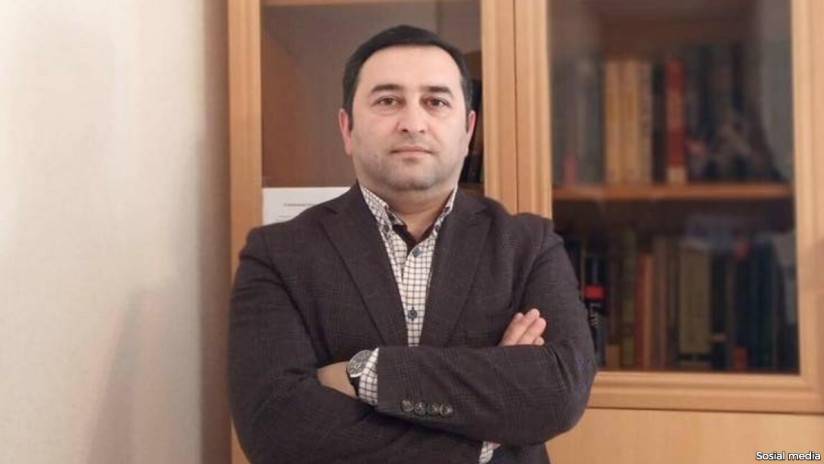
Turkish presidential adviser loses his post after criticising Azerbaijan’s hijab ban
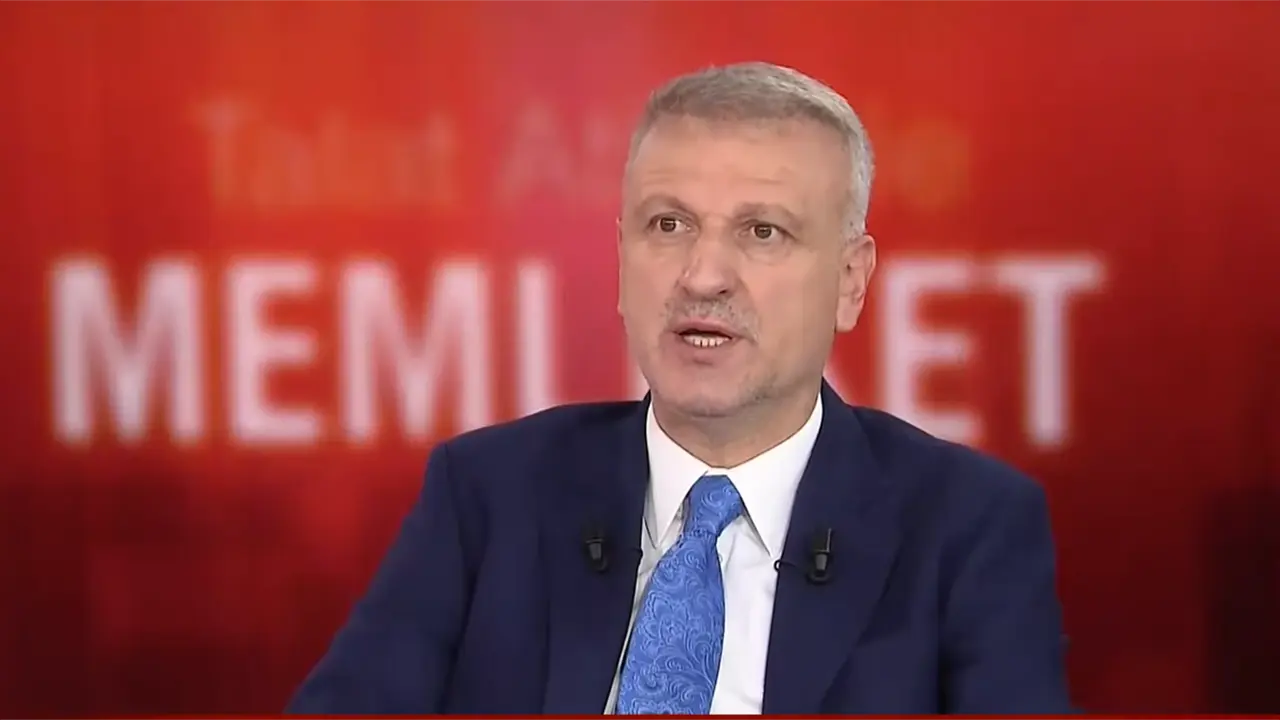
Oktay Saral, chief adviser to Turkish President Recep Tayyip Erdoğan, has lost his position after criticising Azerbaijani authorities over restrictions on wearing the hijab in schools. His departure has become one of the most prominent episodes in the deterioration of relations between Ankara and Baku, which has been accompanied by accusations from Azerbaijan of interference in its internal affairs and fierce anti-Turkish rhetoric in pro-government Azerbaijani media.
On 12 October, Saral spoke out against restrictions on schoolgirls in a post on X.
“Preventing female students wearing hijabs in Azerbaijan from exercising their right to education is unacceptable! On what grounds of conscience and justice is it acceptable to leave a schoolgirl who covers her head for religious reasons standing at the school gates? The hijab is not an obstacle, but a requirement of faith! The right to education must not be sacrificed to ideological pressure!” Erdoğan’s adviser wrote.
He called on the Azerbaijani authorities to abandon the restrictions.
“We expect Azerbaijan to abandon this misguided policy as soon as possible. We should open the way to the future for young people, not put obstacles in their path. Such an approach must not be allowed to persist in this day and age,” he wrote.
The statement provoked a sharp reaction in Baku. The ruling New Azerbaijan Party (YAP) accused Saral and other Turkish politicians who had criticised the restrictions of interfering in the country’s internal affairs. The Azerbaijani side insisted that school policy fell within the state’s exclusive jurisdiction and rejected criticism from foreign politicians.
However, disagreements between the two countries had emerged before the hijab controversy. One source of discontent in Turkey was Azerbaijan’s position towards Israel. During Israeli Prime Minister Benjamin Netanyahu’s address to the UN General Assembly on 25 September, representatives of nearly 70 countries walked out or deliberately stayed away from the session, while Azerbaijan’s representative remained in the chamber to listen to the Israeli leader. This drew criticism from sections of Turkish society, particularly against the backdrop of Erdoğan’s strong opposition to Israel’s actions in Gaza. Protests were also held outside Azerbaijani diplomatic premises in Istanbul.
On 21 October, Azerbaijan’s Ministry of Foreign Affairs declared 31 Turkish citizens personae non gratae and banned them from entering the country. The list included politicians, journalists and bloggers. The ministry said the decision was prompted by publications and statements which, in Baku’s assessment, were directed against Azerbaijan’s sovereignty, national security, constitutional order, people and leadership. It also alleged that the material contained calls for the violent overthrow of the government and incitement to religious hatred.
As New DOSH previously reported, while official Turkish media refrained from directly criticising the Azerbaijani authorities, most pro-government Azerbaijani media outlets launched a fierce anti-Turkish media campaign.
On 25 October, the Turkish newspaper Cumhuriyet reported that Saral had left his post. He confirmed that he had stepped down on the president’s instructions.
“Our president appointed me to this position, and I left on his instructions. I hold no grudge against anyone,” Saral said.
In a separate comment, he acknowledged that the decision might have been linked to the need to take relations with Azerbaijan into account.
“Countries face certain problems and difficulties. Especially given our important relations with Azerbaijan, making certain decisions is natural and normal,” he said.
Fatih Erbakan, leader of the New Welfare Party, criticised Erdoğan over Saral’s dismissal, suggesting that the Turkish president had acted at the request of his Azerbaijani counterpart.
“If Aliyev [Azerbaijani President Ilham Aliyev] wanted this, the president is not unwilling to sacrifice even his own chief adviser,” Erbakan said.
The public dispute has erupted between two countries that traditionally describe their relationship using the formula “one nation, two states”. Turkey has supported Azerbaijan in its conflict with Armenia, and the two countries maintain close political, military and economic ties. Their mutual criticism has therefore proved particularly sensitive for both sides.
On 21 October, Erdoğan held a telephone conversation with Aliyev. According to a statement from the Turkish Presidency’s Directorate of Communications, the leaders discussed bilateral relations as well as regional and international issues. Erdoğan invited Aliyev to attend the 13th summit of the Organisation of Turkic States, scheduled to take place in Ankara on 29–30 October. The official statement made no mention of the disagreements over school restrictions.
Some observers believe the removal of Erdoğan’s adviser may be part of the Turkish president’s efforts to resolve differences with Azerbaijan and ease tensions between the two countries.