Georgia Denies International Protection to 17 Ukrainians, Who Now Face Possible Deportation
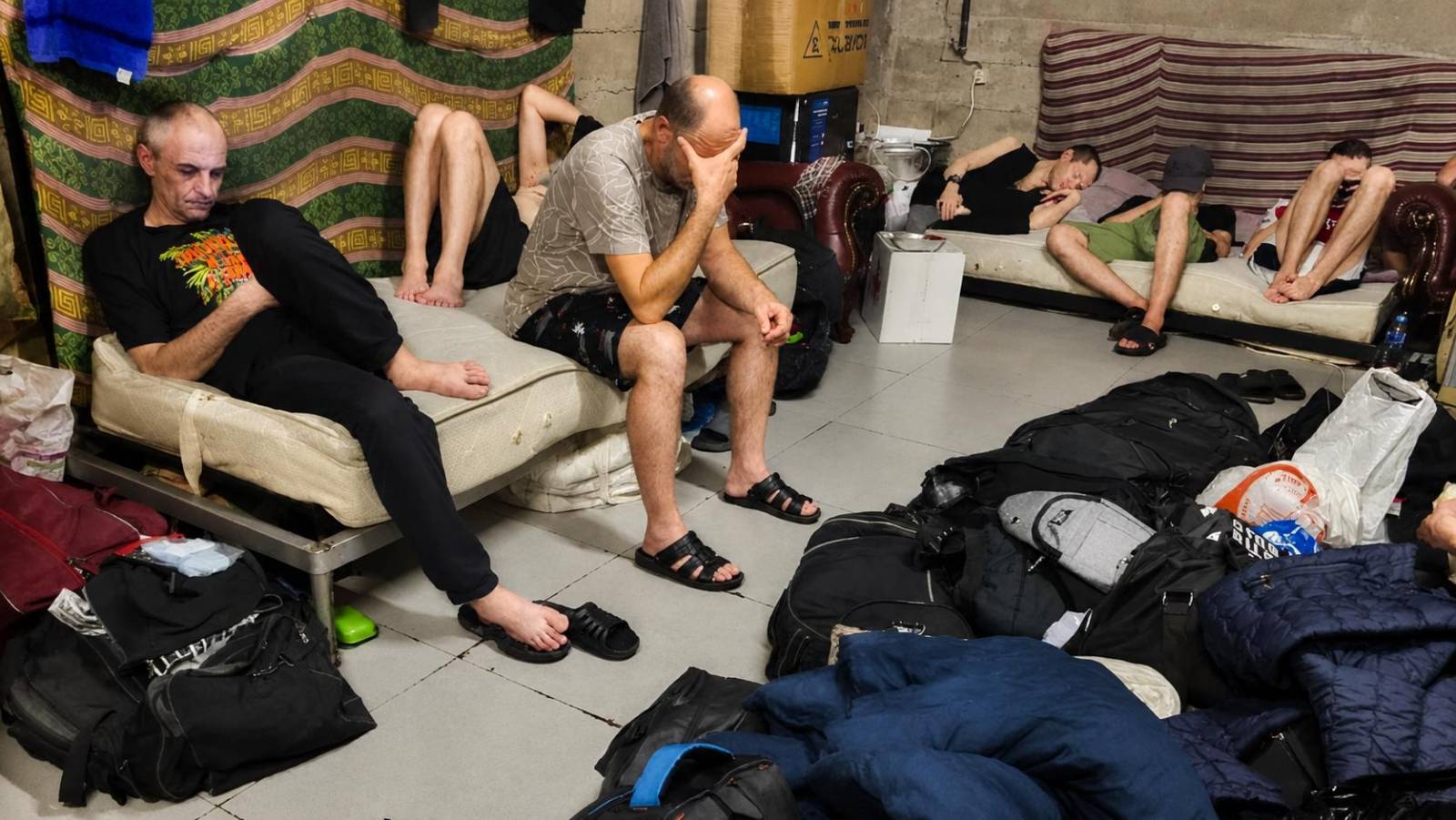
Georgian authorities have denied international protection to 17 Ukrainian citizens who have spent nearly a year in the basement of the Dariali border crossing point (Upper Lars) on the Georgia–Russia border. Once the decisions take legal effect, they could be deported at any moment.
According to lawyers Tsiala Ratiani and Daria Samodurova, the refusals were based on an assessment by the counterintelligence unit of Georgia’s State Security Service (SSG). The document states that the applicants pose a threat to national security. However, neither the Ukrainians nor their legal representatives have been told what that alleged threat is. The assessment has been classified.
The lawyers say that most of the Ukrainians have been at the border crossing for about a year without any official legal status. Only in early July, after several days of refusals, did border officials accept their applications for international protection.
The applications were processed on an expedited basis. Interviews took place within days, and on 10 July the Migration Service rejected all 17 applications. The Tbilisi City Court later upheld those decisions, effectively exhausting the applicants’ options for appeal within Georgia’s national legal system.
The Ukrainians say they fear returning home. According to them, many people who were previously taken from the same border crossing back to Ukraine were mobilised soon afterwards and did not even have time to see their relatives.
The situation has drawn criticism from human rights advocates. They argue that the applicants were effectively denied access to a full and fair procedure for reviewing their claims, while the authorities’ reliance on state secrecy makes it impossible to assess whether the security service’s conclusions are justified.
In recent years, international human rights organisations have repeatedly criticised the Georgian authorities for increasing pressure on independent institutions and narrowing the space for human rights protection.
This is not the first case of its kind at the Dariali crossing. In the summer of 2025, after Russia carried out mass deportations of Ukrainians, dozens of former prisoners and other Ukrainian citizens spent weeks in the buffer zone at the border. Some of them went on hunger strike, demanding access to Ukrainian diplomats and the opportunity to leave the border-crossing area.
Later, with the involvement of Ukraine’s Foreign Ministry, the International Committee of the Red Cross, the UN High Commissioner for Refugees and the International Organization for Migration, some of the people were able to return to Ukraine.
Ukraine’s Foreign Ministry has previously said that it is in constant contact with Georgian authorities and international organisations to address humanitarian issues involving Ukrainian citizens at the Dariali crossing. Kyiv has also repeatedly called on Russia to stop deporting Ukrainians through Georgia and instead allow them to travel directly to the Ukrainian border.