Georgia restores power after nationwide blackout
Electricity has been fully restored across Georgia following a nationwide blackout on the evening of August 5 that left Tbilisi and other major cities without power. The outage occurred while the country’s electricity system was undergoing tests following two previous large-scale disruptions.
Georgia’s State Electrosystem (GSE) said power supplies had been fully restored nationwide.
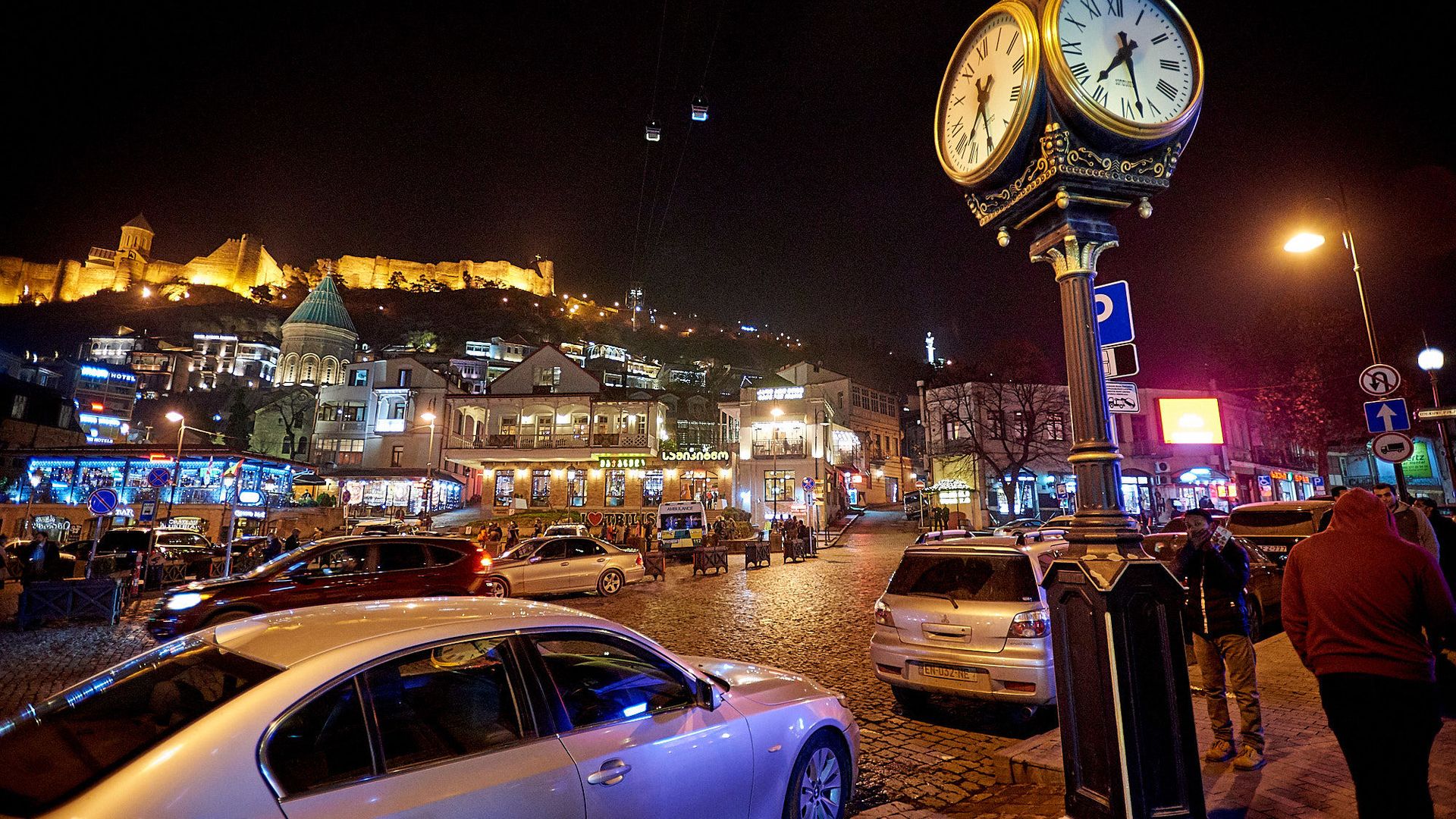
The blackout began at around 8:00 p.m. local time, affecting Tbilisi and other major urban centers across the country of approximately 3.7 million people.
As New DOSH reported earlier, the outage also affected Abkhazia, the Moscow-backed breakaway region of Georgia. Abkhazia’s Energy Ministry said the disruption was linked to a system failure at the Enguri Hydropower Plant, which supplies electricity to both sides of the administrative boundary.
Power was gradually restored to consumers, and electricity service has now been fully re-established across the region. The state-owned utility Chernomorenergo said the disruption was triggered by the activation of emergency protection systems during testing and added that engineers are continuing work to eliminate the fault identified during the inspection.
Giorgi Pangani, a representative of Georgia’s National Energy and Water Supply Regulatory Commission, said the outage coincided with testing at one of the country’s hydroelectric power plants.
According to Pangani, the tests were designed to identify vulnerabilities in the electricity grid following two major power outages that occurred last month.
He stopped short of directly linking the testing to the latest blackout, saying the exact cause of the nationwide outage remains under investigation.