Georgian Dream Toughens Penalties for Violations at Rallies; Lawyers Warn of Risks to Democracy
Georgia's ruling party, Georgian Dream, has prepared a package of amendments to the Administrative and Criminal Codes that will toughen penalties for illegal actions committed during assemblies and demonstrations. This was announced by the party's parliamentary leader, Irakli Kirtskhalia.
According to the initiative, the first offense—wearing a mask, using tear gas or toxic substances, blocking a road, or erecting a temporary structure—will be punishable by administrative arrest for up to 15 days, and for organizers, up to 20 days. If the rally is terminated at the request of the Ministry of Internal Affairs, participants and armed individuals face up to 60 days of arrest.
Repeated offenses of such actions will result in criminal prosecution for up to one year, while the third and subsequent offenses will result in up to two years. Furthermore, a new article is proposed to be added to the Criminal Code, establishing criminal liability for anyone who repeatedly insults a law enforcement officer or disobeys their lawful orders. Kirtskhalia explained that "this individual will be sentenced to up to one year in prison, and in the case of a repeat offense, up to two years in prison. No other penalties will be applied."
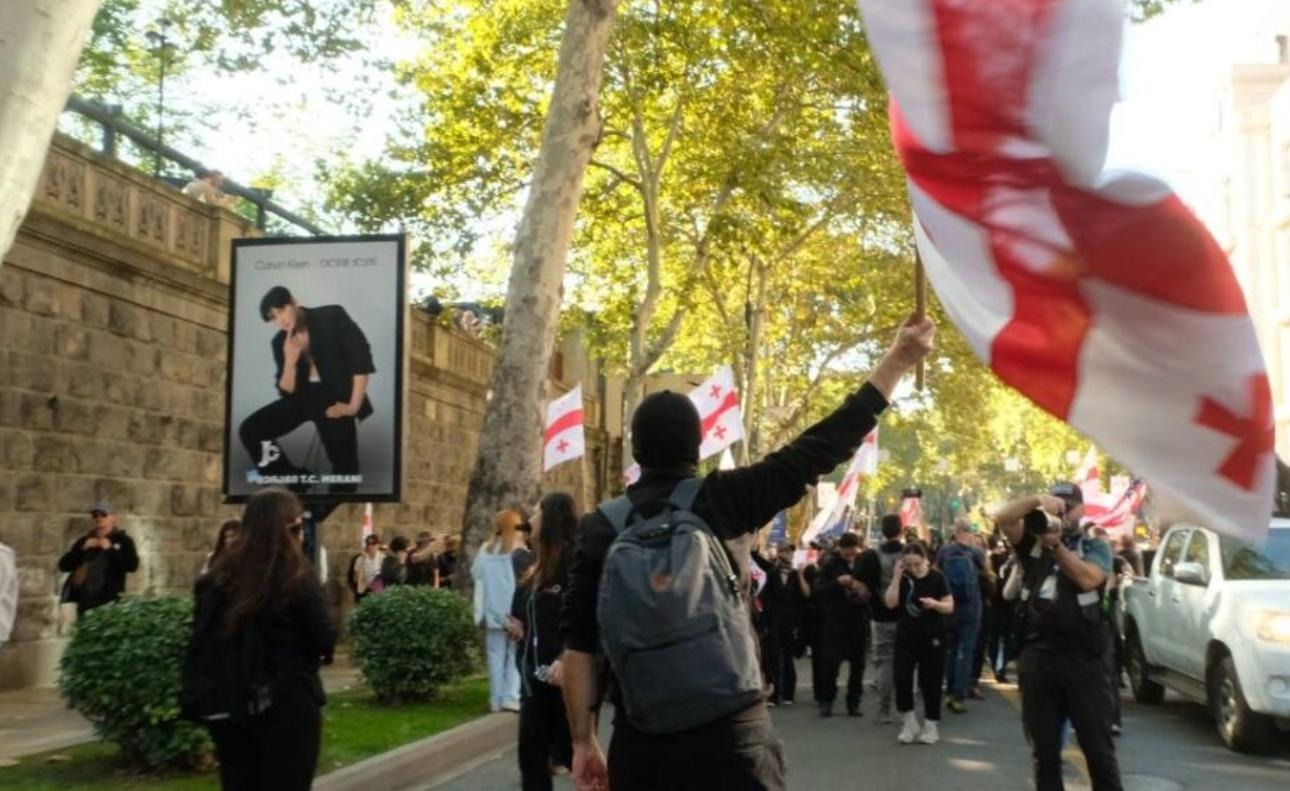
The explanatory note to the bill notes that current measures are not having the desired deterrent effect on participants in the "daily protests on Rustaveli Avenue." According to the authors of the initiative, blocking roads and obstructing traffic pose a threat to public safety and impede the work of emergency services.
However, the Georgian Young Lawyers' Association (GYLA) criticizes the initiative, claiming that the bill aims to criminalize freedom of assembly and is a continuation of the ruling party's authoritarian legislative practices.
According to lawyers, criminal penalties for participating in peaceful demonstrations contradict the standards of the European Court of Human Rights, which emphasizes that such actions should not entail the risk of imprisonment. The organization's representatives believe that all actions that genuinely pose a threat to life or property are already covered by the Criminal Code, and the new provision is "merely a prohibition aimed at intimidating citizens."
GYLA also draws attention to the accelerated review process for the initiative, which, in their view, limits public debate and undermines the legitimacy of the legislative process.