Results of Vance's visit to Armenia and Azerbaijan: Observers note weakening Russian influence in the region

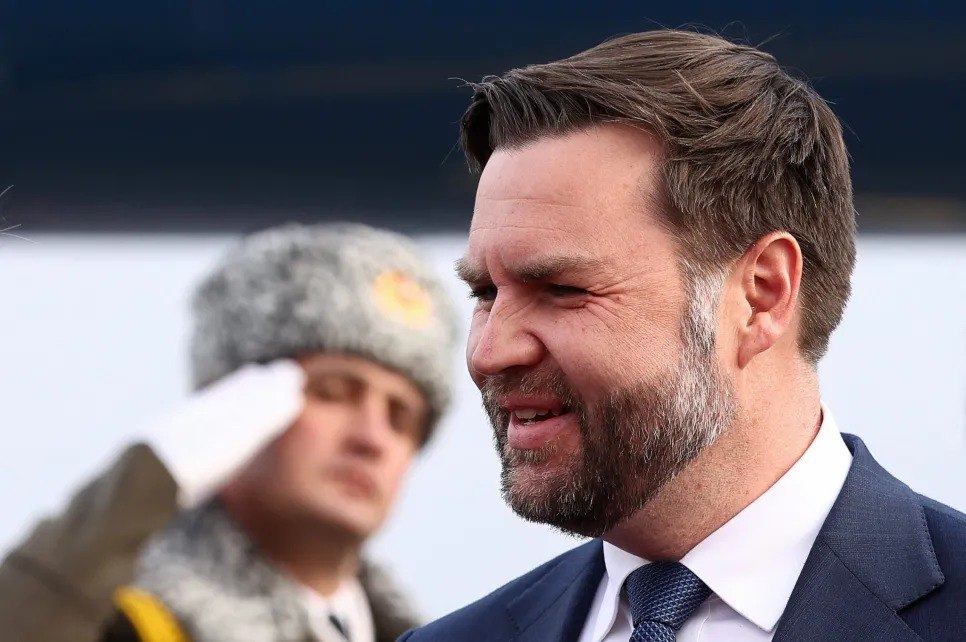
US Vice President J.D. Vance's visit to Armenia and Azerbaijan signals two important changes: the diminishing significance of Moscow's declared spheres of influence and the weakening of Russia's position in the South Caucasus, writes the Center for European Policy Analysis (CEPA). The center emphasizes that, despite the Trump administration's desire to improve relations with Russia, the United States is confirming its intention to play an active role in the region, which the Kremlin considers its "near abroad."

According to CEPA's findings, Moscow's reaction to the visit was revealing: Russian media expressed "disappointment, frustration, and a sense of helplessness," linking Russia's weakening position to its involvement in the war against Ukraine. It notes that Washington is actively expanding its presence in traditionally Russian spheres of influence, particularly in the area of ​​peaceful nuclear cooperation.

The nuclear energy cooperation agreement signed between Armenia and the United States, which envisages the modernization of the Metsamor nuclear power plant or the construction of new modular reactors, was a significant blow to the Russian state-owned nuclear energy company Rosatom, CEPA emphasizes.

"An equally important achievement for the United States was the progress in the peace process between Armenia and Azerbaijan. After the August summit in Washington, the United States assumed a more active mediating role, effectively ousting Russia from the negotiation process," the analysts note.

In their opinion, given the accumulated grievances against Russian policy, Baku and Yerevan see Washington as a more neutral and predictable partner, reflecting the general trend of declining trust in Russia as a guarantor of security in the region.
Последние новости
A case seeking to increase the fine for life-sentenced prisoner Rauf Arashukov has been submitted to the court
Society
A case seeking to increase the fine for life-sentenced prisoner Rauf Arashukov has been submitted to the court
22 February 2026

The Orenburg Regional Court has begun hearing the state prosecution's appeal in the 6-million-ruble bribe case involving former senator Rauf Arashukov. The prosecution is seeking to increase the fine for the former official, who was sentenced to life imprisonment, from 120 million to 420 million rubles.

A memorial plaque has been restored for the 20th time near Anna Politkovskaya's home
Human rights
A memorial plaque has been restored for the 20th time near Anna Politkovskaya's home
22 February 2026

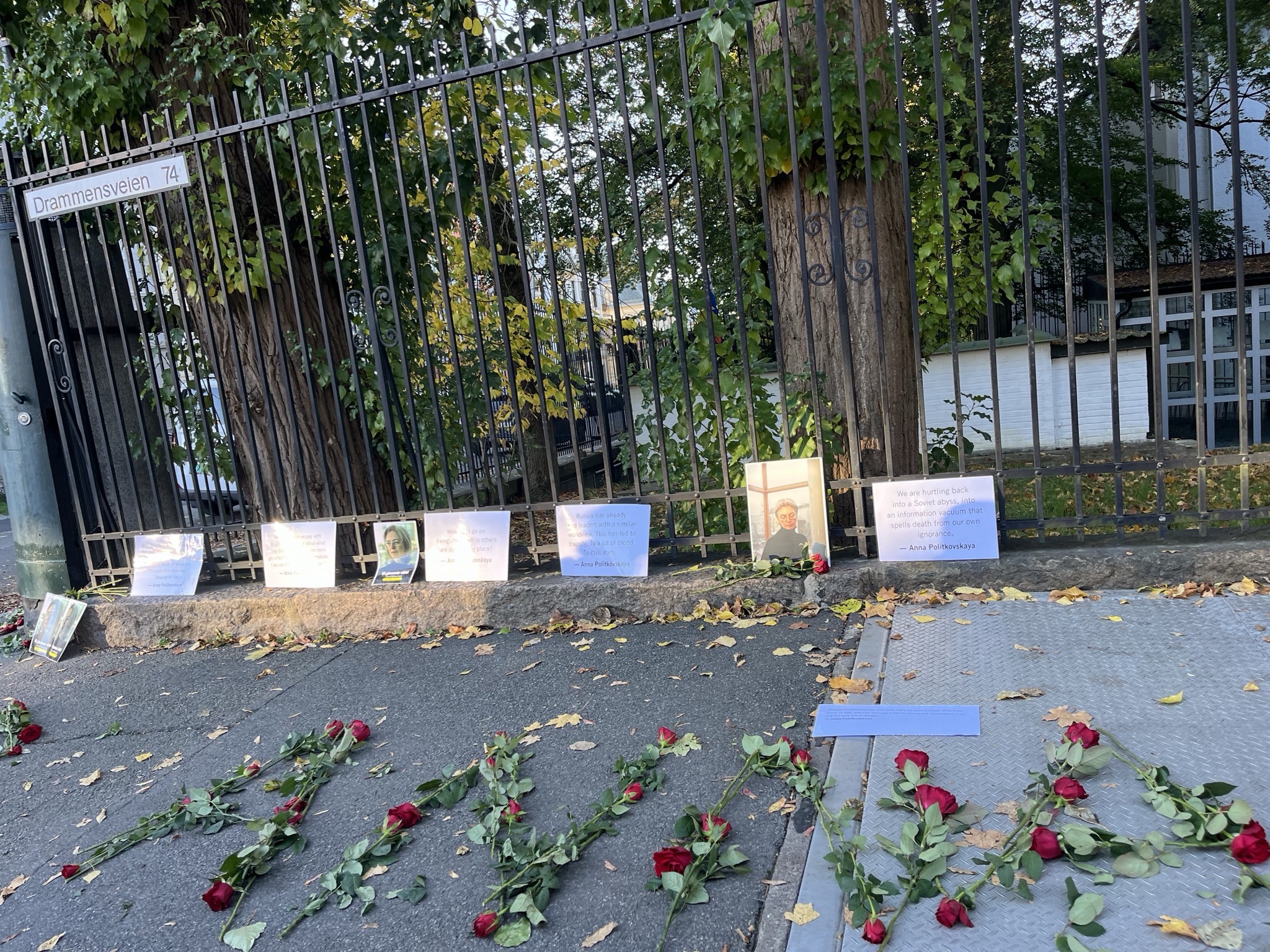
In Moscow, activists have restored a memorial plaque for the 20th time on a building associated with Anna Politkovskaya. The original plaque, which had hung for nearly 20 years on the wall of the journalist's home on Lesnaya Street, was first destroyed on January 18. Since then, activists have repeatedly installed temporary plaques, which were quickly destroyed—usually within less than 24 hours.

Georgian authorities have set very low tariffs for oil transportation from Azerbaijan to Armenia
Politics
Georgian authorities have set very low tariffs for oil transportation from Azerbaijan to Armenia
22 February 2026

Georgia has decided to set a symbolic price for the transit of petroleum products from Azerbaijan to Armenia, the country's Ministry of Economy announced. This move follows a one-time free transit of oil in early December 2025, after which standard tariffs were applied.

A Dagestani teenager is facing trial for
Society
A Dagestani teenager is facing trial for "justifying terrorism."
21 February 2026

In Dagestan, a teenager is facing trial on charges of promoting terrorism. The criminal investigation against the minor has been completed. He is charged with publicly justifying terrorism (Part 2 of Article 205.2 of the Russian Criminal Code), which carries a prison sentence of up to seven years.