Kakha Kaladze: Detained participants of pro-European rallies in Georgia are not “prisoners of conscience”
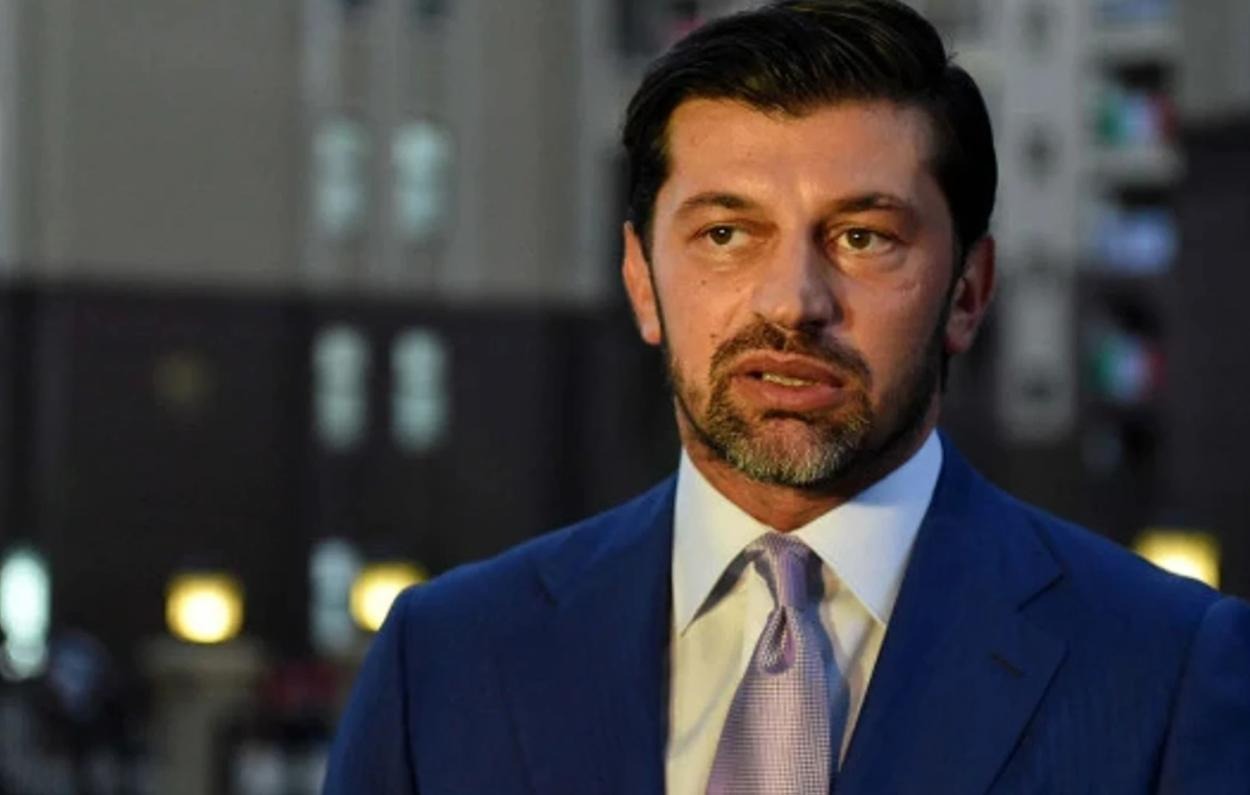
The general secretary of the “Dream” and the mayor of the Georgian capital Kakha Kaladze acknowledged the fact of abuse of power by some security forces during the dispersal of pro-European rallies. However, the politician stated that the detained demonstrators are not “prisoners of conscience” because they threw heavy objects and stones at law enforcement officers.
“I agree that there was misconduct on the part of some police officers or special forces and very serious specific facts, even in relation to a specific journalist. But how do you assess the fact when protesters threw so-called “Molotov cocktails”, stones and heavy objects at police officers? You still call them “prisoners of conscience”. But there is corresponding footage of them committing crimes,” Kaladze noted.
In this context, he mentioned the activist Lazar Grigoriadis, who was amnestied by the country's president Salome Zurabishvili in April last year. The Mayor of Tbilisi was outraged that "the man who threw a Molotov cocktail at a police officer was pardoned and made a hero."
"The problem is that you directly encourage violence, contribute to the polarization and division of society. You are told this from the outside, you are financed, given instructions. The Georgian people see all this, evaluate and treat you accordingly," the Secretary General of the Georgian Dream emphasized.
Protests in Tbilisi and throughout Georgia began after Prime Minister Irakli Kobakhidze's statement on November 28 about suspending negotiations on the country's European integration. The politician explained this decision by the offensive "blackmail" for Georgia from a number of European politicians and bureaucrats. Local NGOs have repeatedly reported illegal actions by the Ministry of Internal Affairs during the dispersal of rallies. There is information about more than 56 journalists who were injured to varying degrees during the demonstrations in Tbilisi.
It was also reported that some "people in black" began to appear on Rustaveli Avenue during the protests a few days after they began. The so-called "titushki" stood in a group, wearing balaclavas and black clothes without identifying signs. These individuals, as a rule, became participants in violent attacks on media representatives. In particular, the attack on the members of the film crew of the opposition TV Pirveli - journalist Maka Chikhladze and her cameraman Georgiy Shetsiruli - received a great deal of attention. These same unknown individuals beat up party member Koba Khabazi at the office of the coalition "For Changes" and also subjected his colleague to physical violence.