Kobakhidze: "The European Union doesn't care about democracy"

Georgian Prime Minister Irakli Kobakhidze stated that the European Union's decisions regarding various countries are dictated by political considerations, not by a commitment to democratic principles and human rights. He noted that European institutions ignored serious violations in Georgia under previous governments and are now applying similar tactics to other countries, granting them candidate status or opening EU membership negotiations.

"The European Union essentially doesn't care about democracy, which is clearly demonstrated by the examples of Ukraine, Moldova, and many other countries. This was also evident in Georgia from 2004 to 2012, when prisoners were tortured. Back then, the EU didn't care about democracy or human rights," the prime minister emphasized.

Kobakhidze also criticized the notion that European and American bureaucracies are always guided exclusively by democratic values.

"There are no saints in either the European or American bureaucracy—not then, not now. The only hope is that a fair approach will emerge against the backdrop of overall political changes," the prime minister added.

Western countries accuse the current Georgian authorities of rolling back democracy and engaging in anti-Western rhetoric. Tbilisi, for its part, attributes the deteriorating relations with the EU to disagreements over the Russia-Ukraine conflict and a desire to preserve sovereignty.

At the same time, Georgia has been a candidate for EU accession since December 2023. However, in 2024, Brussels reconsidered its relations with the country following its adoption of the laws "On Transparency of Foreign Influence" and "On the Protection of Family Values," effectively suspending European integration. In response, in November 2024, Tbilisi announced that it would remove the issue of opening EU accession negotiations from the agenda until 2028. In March 2026, the European Commission suspended visa-free travel for holders of Georgian diplomatic and service passports, threatening to extend these restrictions to all citizens.

Последние новости
Grozny Homebuyers Say They Have Been Waiting Nine Years for Their Flats
Society
Grozny Homebuyers Say They Have Been Waiting Nine Years for Their Flats
21 November 2026

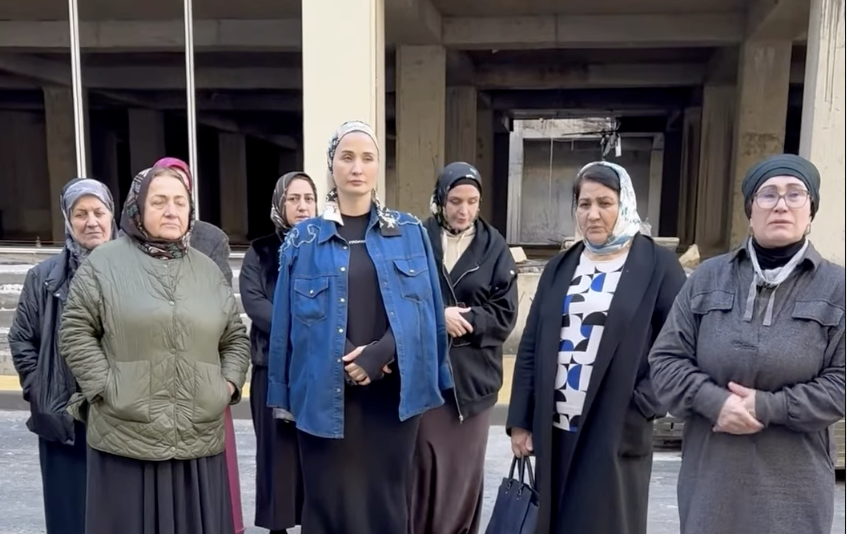
Residents of Grozny who invested their savings in the construction of a residential building at 68 Sheripova Street are asking the Head of Chechnya, Ramzan Kadyrov, to intervene. Construction of the building began in 2017, but, according to the buyers, it still has no utilities, electricity or heating. Their appeal calls into question a statement made in May by the republic’s Deputy Prime Minister, who said that Chechnya had no troubled shared-equity construction projects or defrauded homebuyers.

Dzhemilev: Crimean Tatars Have Agreed with Kyiv on the Principles of Future Autonomy
Society
Dzhemilev: Crimean Tatars Have Agreed with Kyiv on the Principles of Future Autonomy
21 November 2026

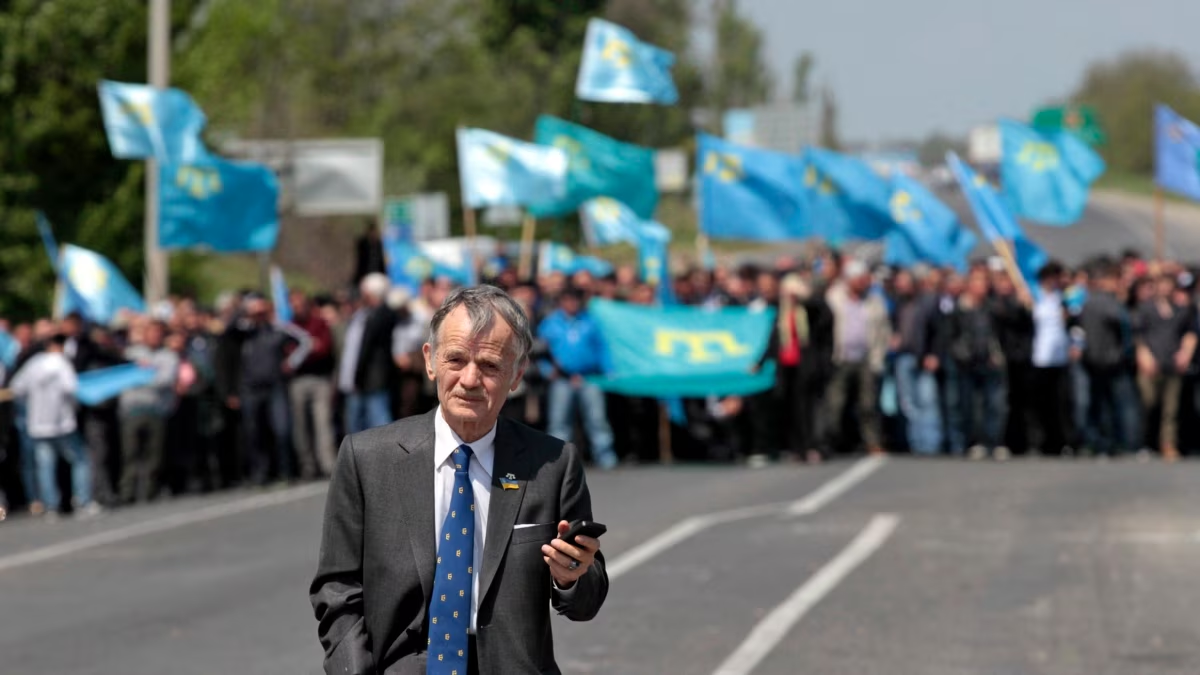
The Ukrainian authorities and representatives of the Crimean Tatar people have agreed on the main issues concerning the future autonomy of Crimea, Mustafa Dzhemilev, leader of the Crimean Tatars and a member of Ukraine’s parliament, has said.


Search Under Way for 63-Year-Old Man Missing in Dagestan for Nearly Two Weeks
Society
Search Under Way for 63-Year-Old Man Missing in Dagestan for Nearly Two Weeks
21 November 2026

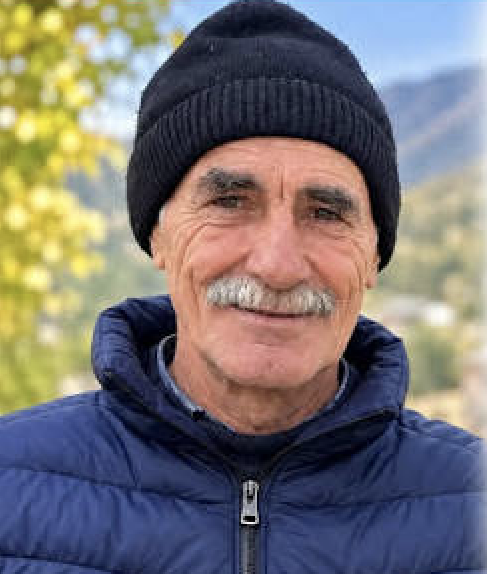
Search efforts are continuing in Dagestan for Latif Ramazanovich Latifov, born in 1963, a resident of the village of Novy Aul in the Magaramkent District. He left his home on the evening of 9 November and has not returned.

Chechnya ranks among the Russian regions with the lowest proportion of war-related fatalities among working-age men
Society
Chechnya ranks among the Russian regions with the lowest proportion of war-related fatalities among working-age men
20 November 2026

Since January 2022, 1,567 deaths linked to the war against Ukraine have been recorded in Chechnya. This accounts for 4.8% of all deaths among residents of the republic during that period. In neighbouring Ingushetia, the figure reached 5.1%. The highest figure among the regions of southern Russia and the Caucasus was recorded in Kalmykia, where war-related deaths accounted for 6% of all deaths (763 people).