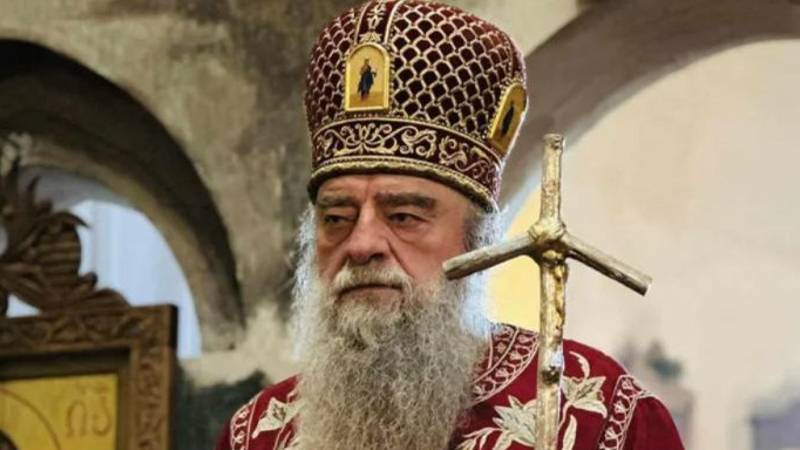
A Georgian Orthodox Metropolitan has called for a change in government, prompting accusations of political agitation from the ruling party.
Metropolitan Iob (Akiashvili) of the Ruisi-Urbnisi Eparchy stated that the Georgian government has "exhausted its potential" and that the country requires new leadership. During a sermon on November 10, he accused the ruling "Georgian Dream" party of corruption, bribery, and attempts to bring the Church under state control. The cleric’s remarks drew criticism from government officials, while garnering support from the opposition.
"Things cannot go on like this. It has become clear that this government has completely exhausted its potential. Governments change all over the world, and we, too, must choose something better in the future," Iob declared.
He also criticized the growing entanglement between the state and the Church, noting that the clergy’s financial dependence on the state prevents them from speaking openly about the authorities' mistakes. The Metropolitan argued that parishioners should have the ability to oversee how state budget funds allocated to the Church are spent.
"Each of you—the parishioners—has a right to know what these funds are being spent on, and where every single tetri goes," he emphasized.
Furthermore, Iob addressed the 2021 scandal involving the release of alleged wiretap recordings of clergy members—leaks that were linked to Georgia’s State Security Service. He described the incident as an attempt to discredit the Church and pointed to a statement by Bidzina Ivanishvili, the honorary chairman of "Georgian Dream," who had suggested that the Patriarch could be subject to criticism. According to the Metropolitan, many people stopped attending church following the release of these recordings. He also noted that those responsible for collecting and disseminating the materials have yet to be identified. Iov also criticized the situation within the Church itself, stating that "today, most clergy have come to resemble bureaucrats." Among other national issues, he pointed to the spread of drug addiction and gambling, corruption, the exodus of young people, and the population decline in rural areas.
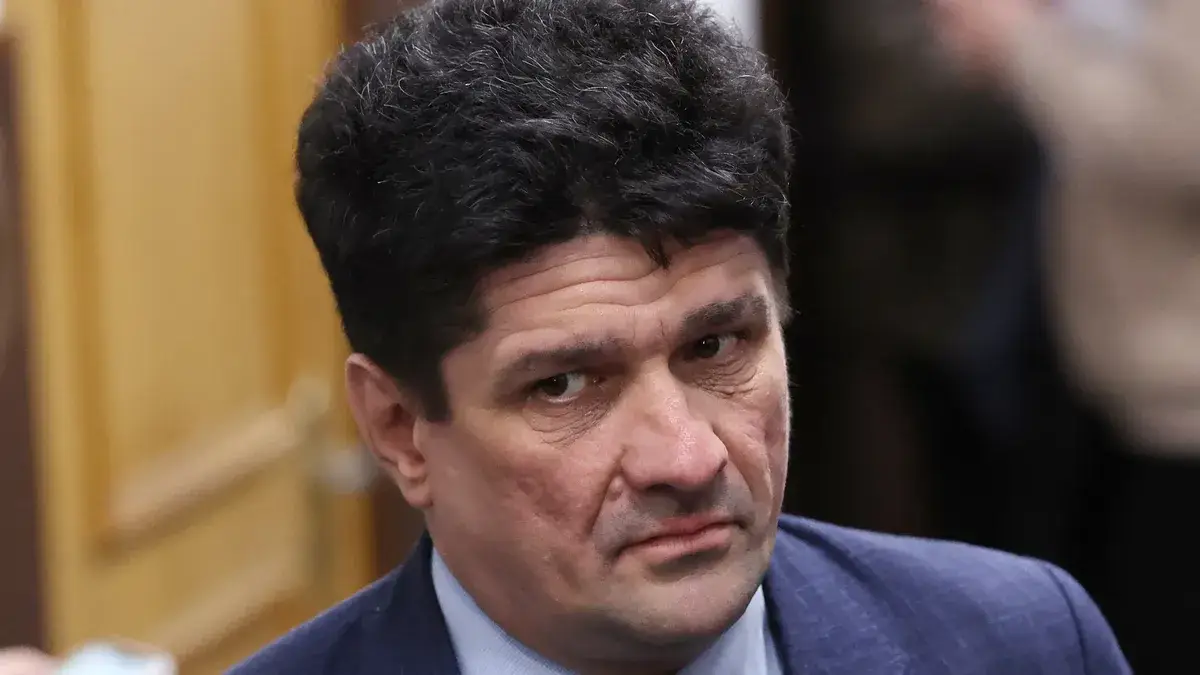
The "Georgian Dream" party characterized the Metropolitan’s statements as politicized. MP Levan Machavariani expressed regret that a high-ranking cleric would use the pulpit for political pronouncements, emphasizing that contentious issues should instead be addressed through consultations with the authorities.
"The people of Georgia are well aware of how our government regards the Mother Church. If any problems or questions arise, we are accustomed to discussing them in a constructive manner," Machavariani stated.
Giorgi Gabunia, chairman of the parliamentary Committee on Culture, dismissed the Metropolitan’s accusations as groundless, adding that any confrontation between the state and the Church runs counter to the country's interests.
Tamta Megrelishvili, a representative of the "People's Power" movement, interpreted the sermon as "an overt political call—made from the pulpit—for a change of government."
The opposition offered a different perspective.
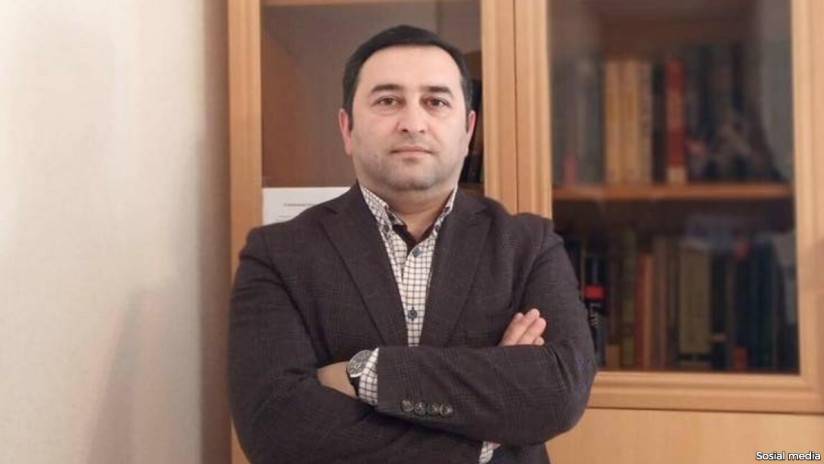
Pikria Chikhradze, a representative of the "Lelo – Strong Georgia" party, described the sermon as significant, though she noted that the Church may have begun its open criticism of the government rather late. She also linked the wiretapping scandal to broader efforts to exert pressure on independent institutions.
Levan Bezhashvili, a leader of the "Unity – National Movement" coalition, welcomed the Metropolitan’s stance—notwithstanding the cleric’s past criticism of that political faction.
"He made a very good statement—well done to him," Bezhashvili said. Direct criticism of the government by a high-ranking hierarch is notable, given the traditionally close relationship between the "Georgian Dream" party and the Orthodox Church. Since the party came to power in 2012, its leadership has repeatedly emphasized the special role of the Church, and some members of the clergy have supported the new administration. At the same time, the Church and the government have occasionally found themselves at odds over issues such as gambling and the legalization of marijuana cultivation.
The Church’s financial dependence on the state remains a sensitive aspect of this relationship. According to the Social Justice Center, the Georgian Orthodox Church received more than 283 million lari from central and municipal budgets between 2020 and 2024.