Moscow Accuses the European Union of Interfering in Armenian Elections
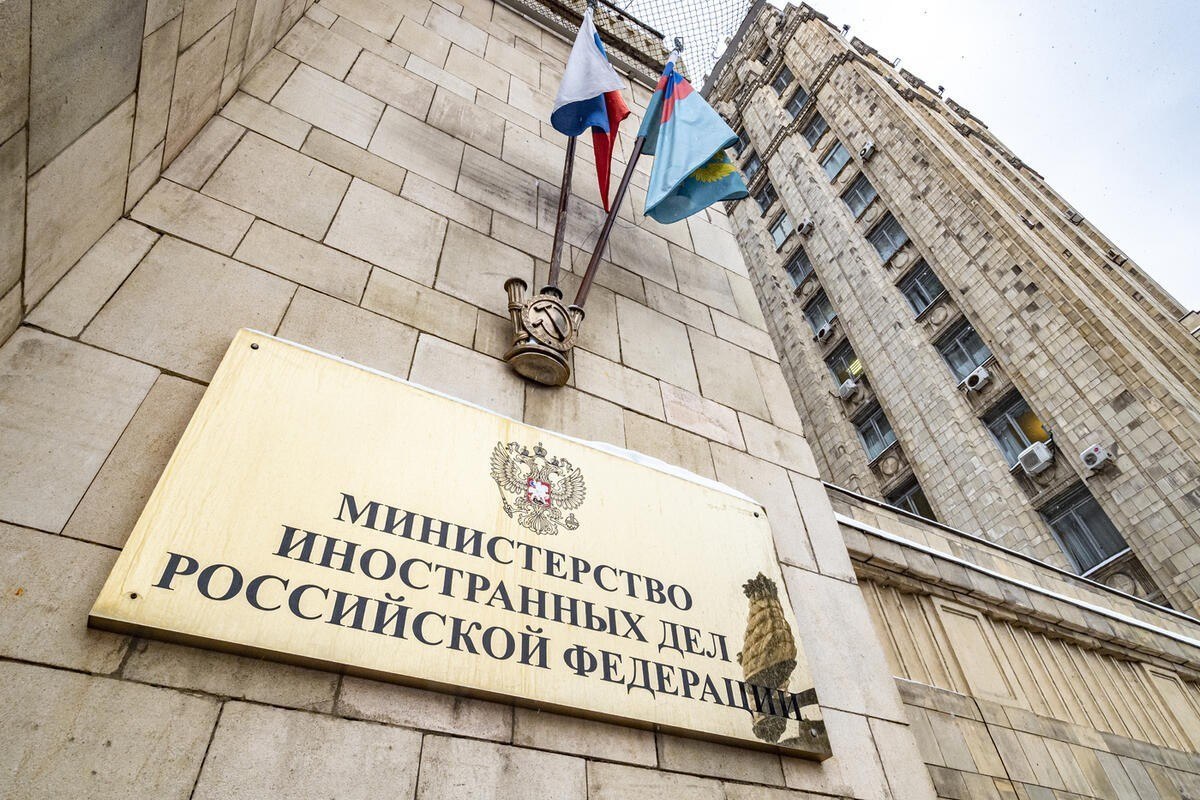
Russian Foreign Ministry Spokesperson Maria Zakharova accused the European Union of attempting to directly control the election campaign in Armenia. This statement followed statements by European Union Foreign Minister Kaja Kallas, who asserted that the Armenian people, despite pressure, had chosen the European path of development and that the EU was ready to support reforms.
"Anyone who has been even slightly following the agenda could not help but notice how the EU was attempting to manually control the electoral cycle. This includes rapid response missions to hybrid threats, a massive landing to stage political shows in Yerevan in early May – at the height of the election campaign, and Ursula von der Leyen's call on June 4, when she urgently sought financial support for Armenia. The icing on the cake was the visit of the head of the EU delegation to the Central Election Commission before the vote count," Zakharova concluded.
The Russian side believes that the parliamentary elections in Armenia took place under unprecedented pressure on the opposition and Western interference. Zakharova called Brussels' actions "fraud" that forced Armenian society into an artificial dilemma of choosing between Russia and the European Union, which, she asserted, does not reflect the true interests of the Armenian people. The goal of such actions, she asserts, is to divide Armenian society, weaken ties with Russia, and strengthen the EU's influence in the region.
As a reminder, parliamentary elections in Armenia took place on June 7. The ruling Civil Contract party, formally failing to clear the 50% threshold, garnering 49.81% of the vote, still allows it to form a government on its own under national legislation. Besides the Civil Contract party, the opposition pro-Russian blocs Strong Armenia (23.29%) and Armenia (9.94%) confidently entered parliament, albeit by a wide margin.