Amid a natural disaster in Dagestan, an anti-corruption investigation is underway
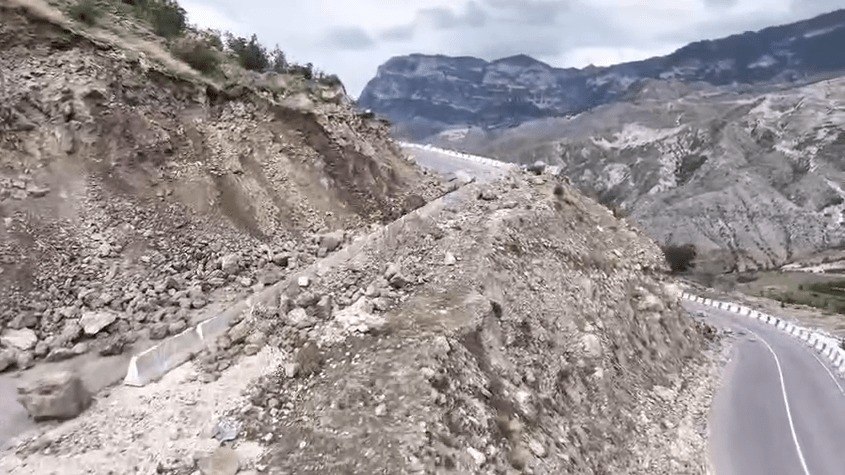
A devastating flood in Dagestan has resulted in massive landslides, affecting more than 6,000 people and 25 communities. The disaster destroyed several roads and damaged approximately 200 homes. More than 3,000 people in the Derbent and Tsumadinsky districts were left without gas due to damaged utility lines. The main causes of the disaster are believed to be abnormally heavy rainfall, which oversaturated the soil, as well as aggravating factors such as chaotic construction and worn-out utility lines.
In parallel with the flood cleanup, the regional office of the Investigative Committee is conducting a corruption investigation. Searches have been conducted at the Ministry of Natural Resources of Dagestan and the Dagmeliovodkhoz administration in connection with systemic violations discovered during the construction of apartment buildings in Makhachkala. Construction took place within the boundaries of a water protection zone and riverbed, where the construction of permanent structures is prohibited by law. Investigators seized documents and electronic media allegedly confirming the illegal registration of land plots and the issuance of construction permits.
According to investigators, between 2009 and March 2026, officials from the Makhachkala administration and other authorized bodies illegally registered ownership of dozens of land plots in prohibited zones. Despite the legal prohibition, permits were issued for the construction of apartment buildings on these plots. Some of these structures had already been recognized by the court as unauthorized construction subject to demolition, but no demolition measures were taken, and construction continued.
Furthermore, it was established that on some plots, the riverbed was partially filled in, impeding the free flow of water and complicating cleanup. Experts believe such actions increase the risk of flooding in adjacent areas and negatively impact the operation of hydraulic structures.