Nadezhda Kevorkova's arrest extended until March 2025
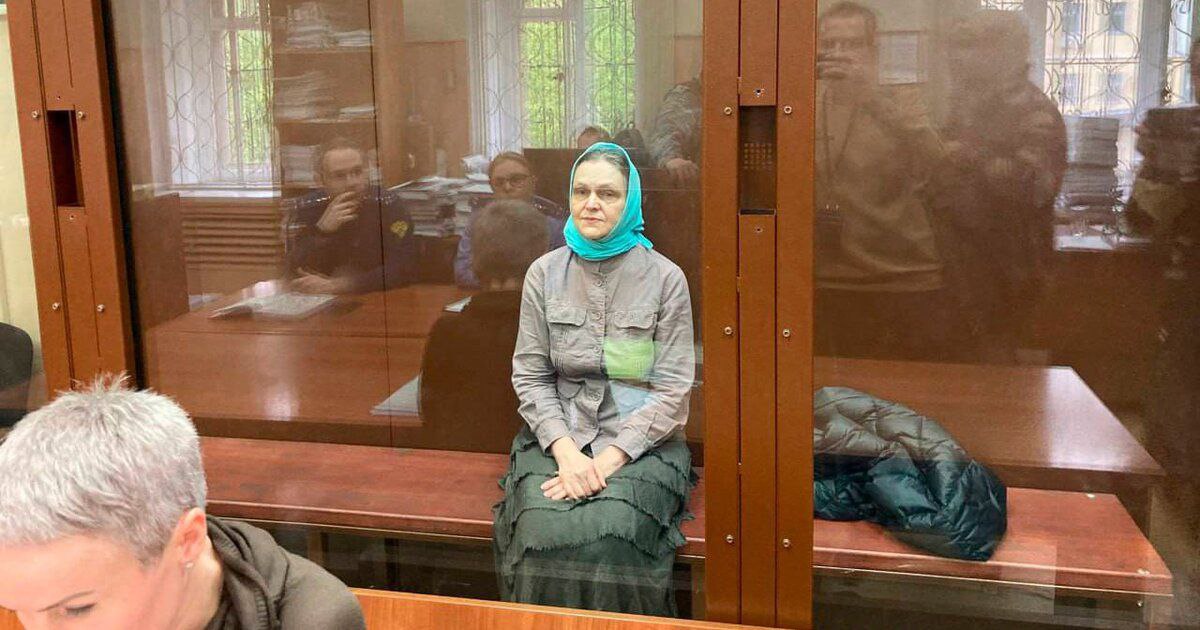
The Basmanny District Court of Moscow granted the investigation's motion and extended the arrest of journalist Nadezhda Kevorkova until March 3, 2025.
 
"Next year will be no better," she said before the hearing.
 
Earlier, the criminal case of 66-year-old journalist Nadezhda Kevorkova was returned from the prosecutor's office to the investigation stage due to "inaccuracies in the charges." After revision, it will be returned to the prosecutor's office for review.
 
The woman has been in pretrial detention since May on charges of justifying terrorism due to two posts on a Telegram channel. The first was the publication of an old text by Orkhan Dzhemal, who died in the CAR, about one of the leaders of the "attack on Nalchik" in 2005. The second publication was dedicated to the Taliban movement. It is noteworthy that at the end of May 2024, the Russian Foreign Ministry and the Ministry of Justice announced that the Taliban could be removed from the list of banned organizations.
 
Kevorkova is charged under Part 2 of Article 205.2 of the Criminal Code of the Russian Federation (public calls for terrorist activity, public justification of terrorism, or propaganda of terrorism). The maximum punishment provided for by such a charge is imprisonment for up to 7 years.
 
Nadezhda Kevorkova is an active volunteer for the Solidarity Foundation, helping seriously ill children and low-income people. The journalist has repeatedly visited the Gaza Strip with the support of the Russian Foreign Ministry and covered the situation in the Middle East, worked in Iraq and Iran. In addition, Kevorkova is the author of three books about Palestine and numerous articles on religion.
Последние новости
Opposition protest, resignation, and Pashinyan’s return: Armenia’s new parliament begins work
Politics
Opposition protest, resignation, and Pashinyan’s return: Armenia’s new parliament begins work
2 August 2026

The inaugural session of the ninth convocation of Armenia’s National Assembly took place in Yerevan. The new parliament began its work with a political protest: during the swearing-in ceremony, opposition representatives refused to stand or recite the oath, whereas deputies from the ruling party stood while doing so. That same day, Nikol Pashinyan’s government resigned, in accordance with the Constitution.

North Ossetian Police Launch Inquiry Into Threats Against Women Linked to Telegram Channel
Society
North Ossetian Police Launch Inquiry Into Threats Against Women Linked to Telegram Channel
1 August 2026

Police in Russia's North Ossetia have launched an inquiry following a campaign of online harassment targeting women through the Telegram channel Kavkazskaya Obshchina ("Caucasian Community"). The channel's administrators published women's personal information, insulted them and issued threats of violence over behaviour they claimed violated Caucasian traditions. 

Human Rights Advocates Question Investigators' Claims Linking Batalkhadzhins to the Caucasus Emirate
News
Human Rights Advocates Question Investigators' Claims Linking Batalkhadzhins to the Caucasus Emirate
1 August 2026

Russian law enforcement agencies have claimed that members of the Batalkhadzhin Sufi community were linked to the Caucasus Emirate*, a militant Islamist organisation. Human rights advocates, however, have questioned the allegations, noting that the group effectively ceased to exist more than a decade ago and that publicly available case materials contain little evidence of specific acts of support for militants.

Threat of Muslim Alkhazov's Deportation From Germany Raises Fresh Concerns Over the Status of Chechen Asylum Seekers in Europe
Human rights
Threat of Muslim Alkhazov's Deportation From Germany Raises Fresh Concerns Over the Status of Chechen Asylum Seekers in Europe
1 August 2026

Germany's decision to deport Chechen-born Muslim Alkhazov despite claims by his legal team that his family has been persecuted has sparked renewed concern among Chechen human rights advocates and members of the diaspora across Europe. They argue that the case could signal an emerging shift in how European authorities assess asylum claims filed by people from Chechnya.