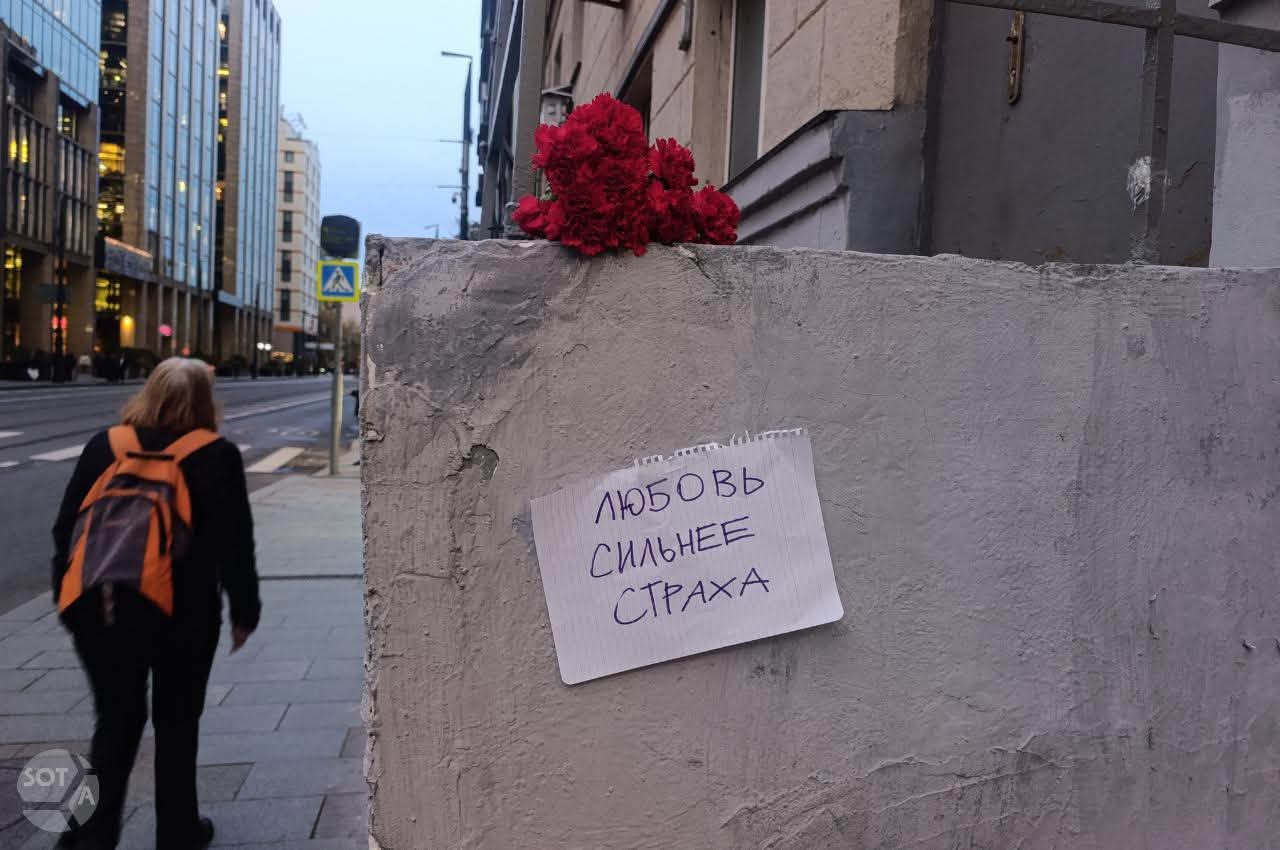
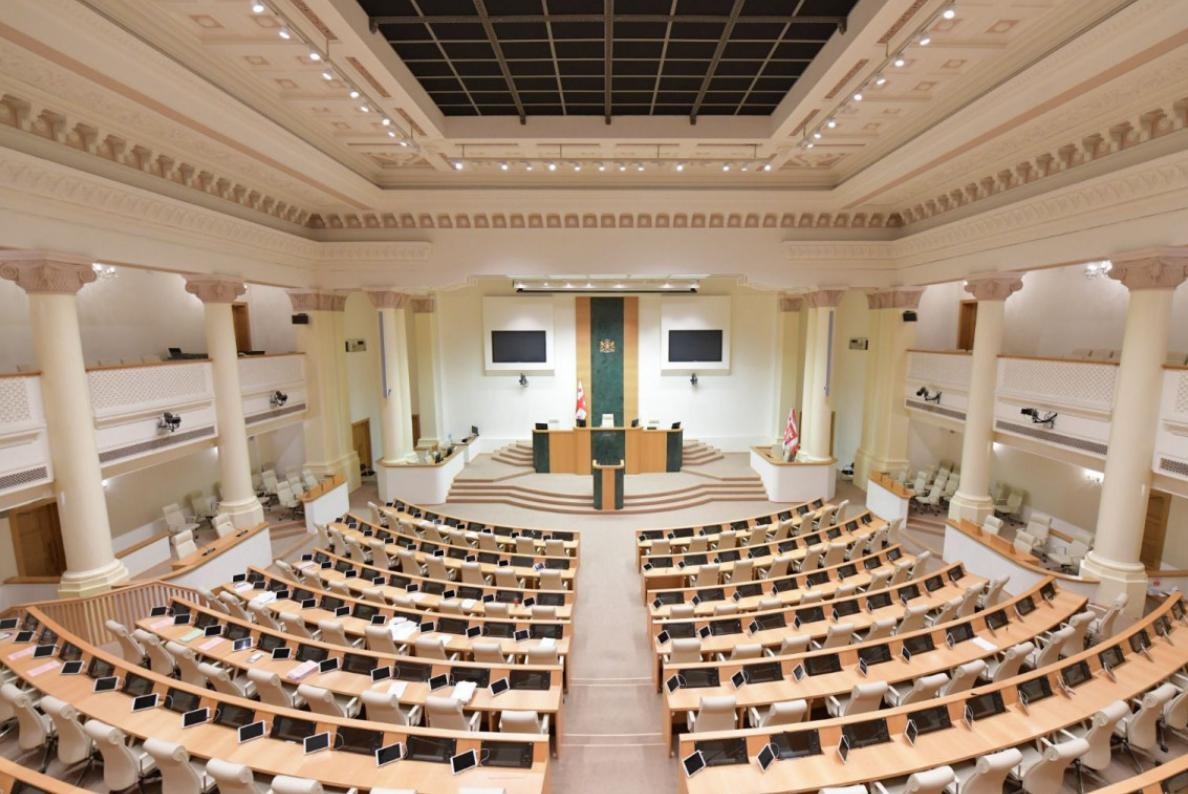
The Georgian Parliament has adopted the "American" version of the law on foreign agents in the second reading

The Georgian Parliament, completely controlled by the ruling Georgian Dream party, unanimously (86 votes) adopted the "Foreign Agent Registration Act" in the second reading. The ruling party claims that this is a "direct copy" of the American FARA law.

The so-called "American" version of the law provides for the possibility of obtaining the status of "foreign agent" not only by non-profit legal entities with foreign financing, but also by everyone, including individuals. For evading registration as a foreign agent or failure to comply with other requirements specified in the bill, a person may face criminal liability.

On February 5, announcing the upcoming innovation, the executive secretary of the ruling party Mamuka Mdinaradze noted that the current legislation on foreign agents has proven insufficiently effective.

"Last year we adopted a simplified version, but you know that several dozen of the richest and largest NGOs receiving external funding did not register in the registry. Therefore, instead of it, we will get a new American law, a direct copy of its current version, and we will ensure its full implementation," Mdinaradze explained.

Recall that in order to become a law, the draft must be adopted by parliament in three readings. As previously stated by the Georgian Dream, after the adoption of the new law, similar to FARA, the current law "On Transparency of Foreign Influence" will be abolished.

On August 1 last year, the law "On Transparency of Foreign Influence", also known as the law "on foreign agents", came into force in Georgia. Its adoption caused mass protests in the country and a storm of criticism from the West. According to opponents of this initiative, the Georgian law is an analogue of the Russian law and contradicts democratic values. The Law on Transparency of Foreign Influence requires registration in a special registry and reporting for NGOs and media outlets that receive more than 20% of their income from abroad. Fines are imposed for failure to comply with these requirements.
Последние новости
Georgia again rejected calls to join anti-Russian sanctions
Politics
Georgia again rejected calls to join anti-Russian sanctions
25 February 2026

Georgian Prime Minister Irakli Kobakhidze criticized Brussels' demands to join sanctions against Russia. He said these calls were inappropriate, given that the EU itself is a major importer of Russian products.

Ruben Vardanyan Drops Appeal Against 20-Year Sentence in Azerbaijan
Human rights
Ruben Vardanyan Drops Appeal Against 20-Year Sentence in Azerbaijan
25 February 2026

Billionaire and former Nagorno-Karabakh state minister Ruben Vardanyan, sentenced in Baku to 20 years in prison, rejected the legal force of the ruling and dropped his appeal. His family explained that this decision stemmed from the fact that, in their view, the trial was a "staged performance" rather than a proper trial: the hearings were held behind closed doors, without access to independent observers, and the prosecution's motions were ignored. The full text of the verdict was also not released.

Azerbaijani political prisoners appeal to the European Commission to address human rights in the country
Human rights
Azerbaijani political prisoners appeal to the European Commission to address human rights in the country
25 February 2026

A group of imprisoned activists and journalists from Baku's Penal Colony No. 2 has appealed to the President of the European Commission. They demand the implementation of European Parliament resolutions calling for the release of Azerbaijani political prisoners.

Chechnya Leads in Lowest Alcohol Sales
Economy
Chechnya Leads in Lowest Alcohol Sales
25 February 2026

In 2025, residents of the North Caucasus regions consumed the least amount of hard liquor in Russia. The lowest official retail sales figures were recorded in Chechnya (0.01 liters per capita). Other republics of the North Caucasus Federal District also demonstrated modest figures: Ingushetia - 0.7 liters, Dagestan - 2.2 liters, Kabardino-Balkaria - 2.6 liters, North Ossetia - 3 liters, and Karachay-Cherkessia - 3.4 liters. Experts attribute this decline to the prevalence of cultural and religious restrictions, as well as a preference for low-alcohol beverages.