Pashinyan reiterated the importance of amending the Constitution and Armenia's accession to the EU

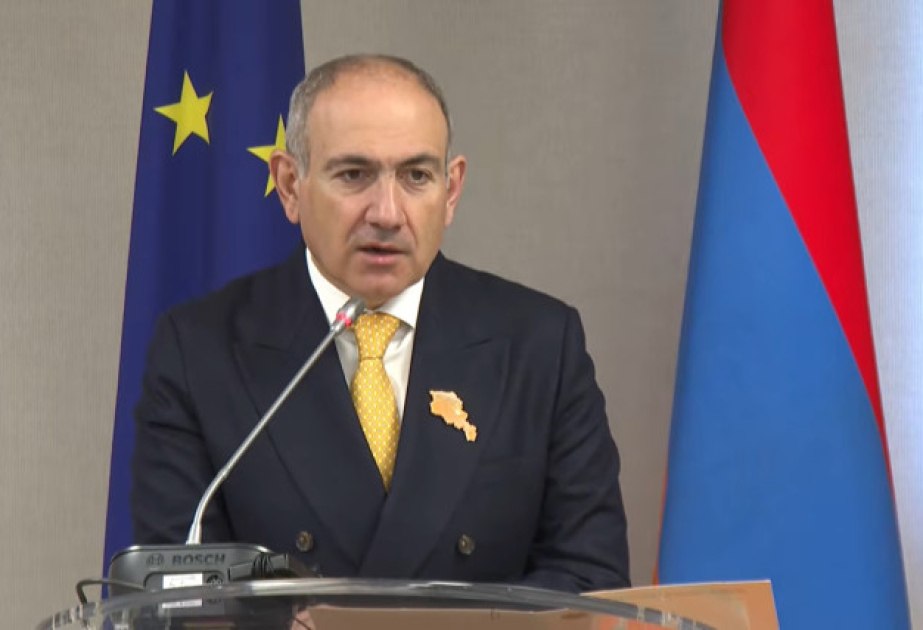
On April 15, during a speech at a meeting of the Armenia-EU civil society platform in Yerevan, Prime Minister Nikol Pashinyan stated that his country "will not experience justice and impartiality" because its judicial system "has no organic connection with the highest source of power—the people."

"We must resolve this problem in the near future by adopting a new Constitution," the head of government concluded.

According to him, the justice system in Armenia "is largely governed by institutions that are isolated and lack sufficient accountability and responsibility to the people."

Pashinyan previously proposed removing the reference to the Declaration of Independence from the new Constitution, citing that it hinders a peace agreement with Azerbaijan due to potential territorial claims, particularly to Karabakh. According to the Armenian prime minister, strengthening peace must prevent a return to previous realities, and in this context, domestic political processes in both Armenia and Azerbaijan play an important role.

Regarding the country's accession to the European Union, Pashinyan noted in his platform that Yerevan does not intend to "blackmail" Brussels with demands for rapid EU accession.

"We have adopted a law to launch the EU accession process, but our strategy is that we will not resort to blackmail, saying, 'If we've adopted the law, then you have to admit us to the EU in a month,'" Pashinyan stated.

On the same day, EU ambassadors approved the deployment of a new civilian mission to Armenia. It will advise the country's security agencies on resilience to various threats, from cyberattacks to information manipulation.
Последние новости
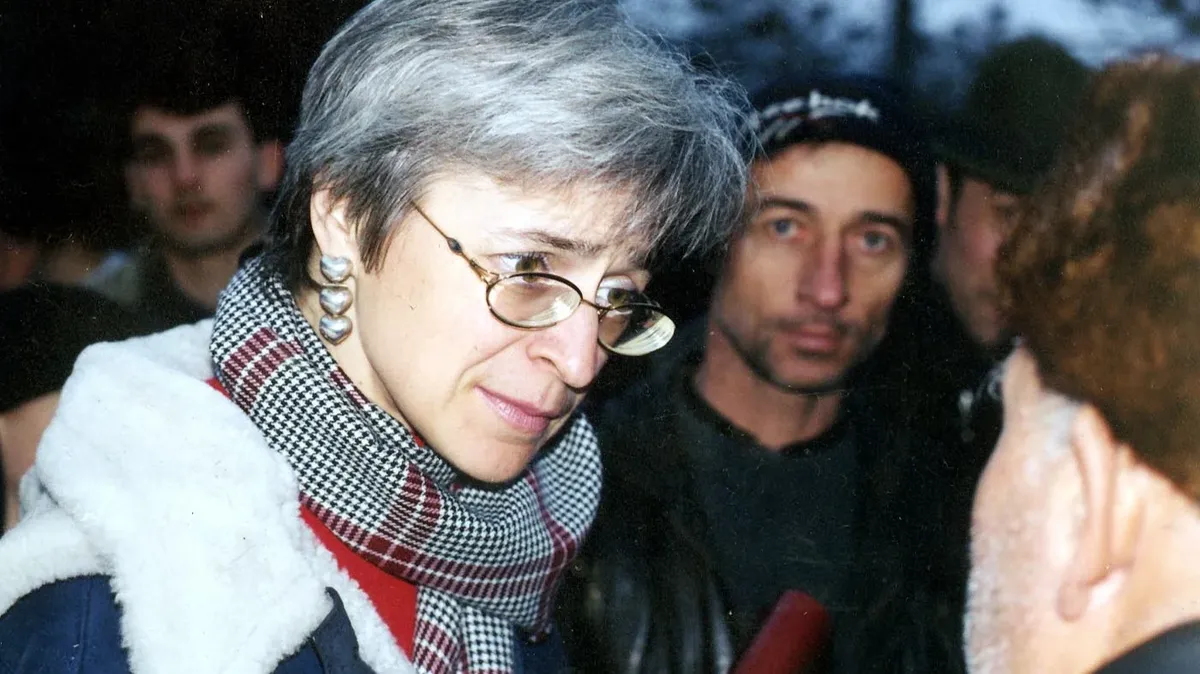
Disappearances, raids and torture: what Anna Politkovskaya wrote about the second Russian-Chechen war
Chronicle of Wars and Crimes
Disappearances, raids and torture: what Anna Politkovskaya wrote about the second Russian-Chechen war
7 October 2026

Anna Politkovskaya was killed on 7 October 2006. Her articles, written from behind Chechnya’s blood-soaked information wall and barbed wire, became a voice of truth — the truth about what residents of the republic were experiencing as they became a convenient and powerless collective victim of the global “fight against international terrorism”.

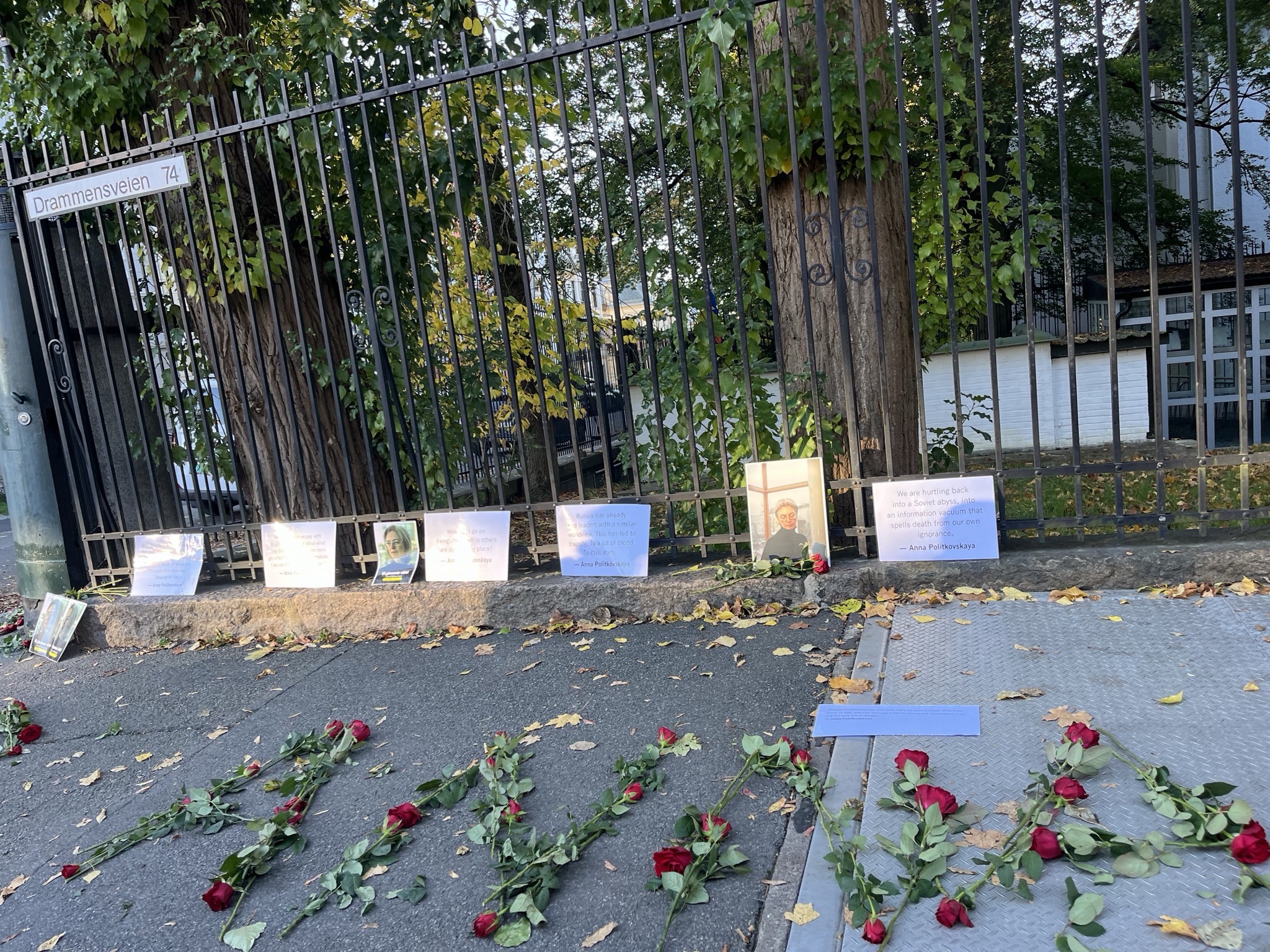
Anna Politkovskaya’s name laid out in flowers in Oslo
Human rights
Anna Politkovskaya’s name laid out in flowers in Oslo
7 October 2026

Memorial events for Anna Politkovskaya are taking place in countries around the world today, marking 20 years since the murder of the journalist, who spent many years reporting on the war in Chechnya and human rights violations.


European Parliament Demands Withdrawal of Lawsuit to Ban Opposition Parties in Georgia
Politics
European Parliament Demands Withdrawal of Lawsuit to Ban Opposition Parties in Georgia
7 October 2026

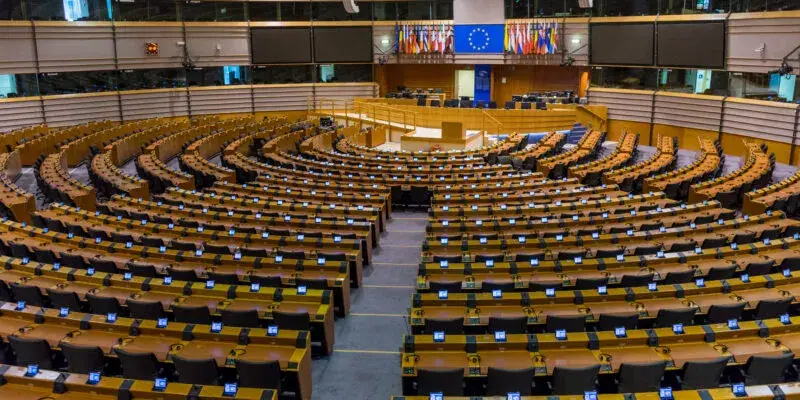
In a draft resolution, the European Parliament has called on Georgian authorities to immediately withdraw the constitutional lawsuit seeking to ban opposition parties. The document is set for a vote on October 8, following a debate on the country's political situation taking place in Strasbourg on October 7.

On Putin’s birthday, Kadyrov speaks of the
Politics
On Putin’s birthday, Kadyrov speaks of the "special significance" of his name for Chechnya
7 October 2026

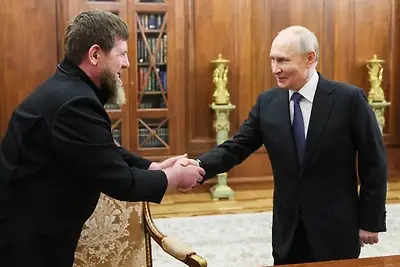
Chechen leader Ramzan Kadyrov congratulated Vladimir Putin on his birthday and stated that the Russian president's name holds "special significance" for the Chechen people. According to Kadyrov, the region will "never forget" the support Putin extended to his father—Chechnya’s first president, Akhmat-Khadzhi Kadyrov—"at a time when the future of the Chechen Republic depended on the decisions being made."