Pashinyan reiterated the Russian base's subordination to Armenian laws

Russian military personnel stationed in Armenia must obey local laws, not Russian ones. Armenian Prime Minister Nikol Pashinyan made this statement during a briefing in Yerevan. He was responding to concerns surrounding the possible actions of the 102nd Russian military base in Gyumri, given recent changes to Russian legislation.

On May 13, the Russian State Duma approved amendments allowing the use of the country's armed forces abroad to protect Russian citizens if they are arrested, detained, or otherwise prosecuted.

Furthermore, Nikol Pashinyan emphasized that the upcoming parliamentary elections in Armenia on June 7 have no geopolitical context. This was his response to a question about possible external interference in the electoral process, particularly from Russia. Pashinyan noted that although political participants and external observers see a geopolitical context in the elections, the procedure itself does not provide for one.

"The Republic of Armenia is pursuing a balanced policy. There is no conspiracy or counteraction in our policy," the head of government stated.

The prime minister added that Armenia and the Armenian people must always have an alternative, whether it be the European Union or the Eurasian Economic Union. According to him, the people must be able to independently choose the most promising and beneficial strategy for themselves.
Pashinyan also noted that the Russian side had not provided specific examples of damage to its interests as a result of Yerevan's cooperation with the EU. He noted that one Russian representative had stated that such cooperation was harmful, but when asked to provide a specific example, silence followed.

"When I asked this question a second time, the answer was again silence," the Armenian leader added.

Последние новости
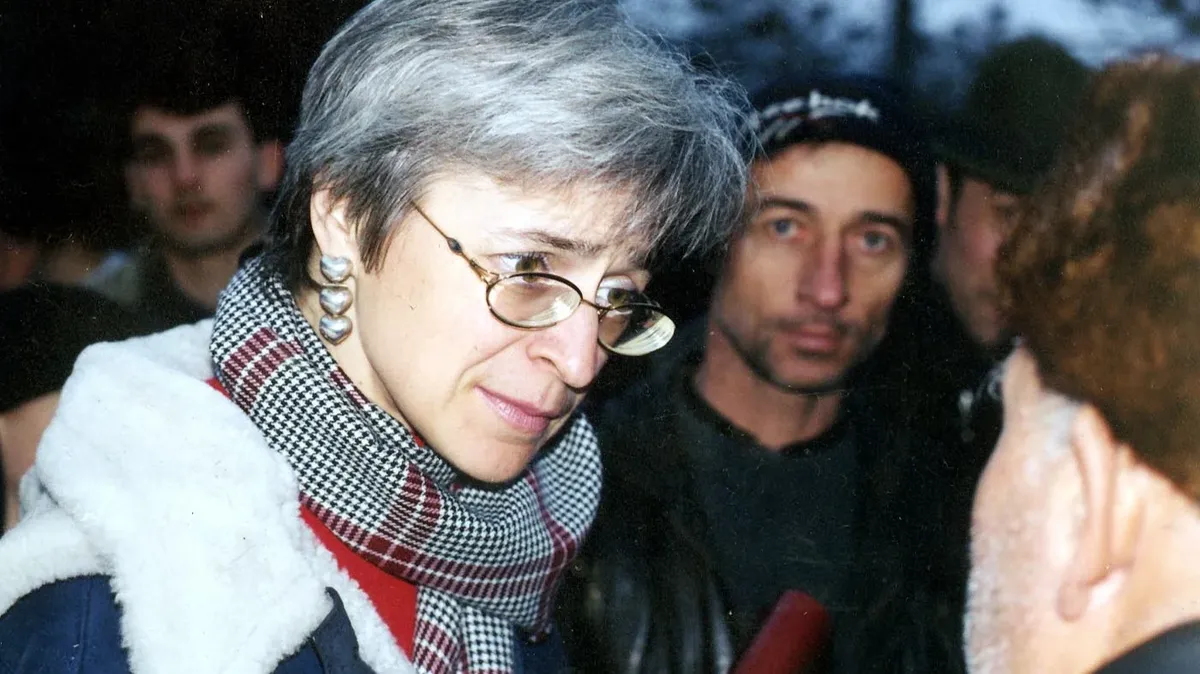
Disappearances, raids and torture: what Anna Politkovskaya wrote about the second Russian-Chechen war
Chronicle of Wars and Crimes
Disappearances, raids and torture: what Anna Politkovskaya wrote about the second Russian-Chechen war
7 October 2026

Anna Politkovskaya was killed on 7 October 2006. Her articles, written from behind Chechnya’s blood-soaked information wall and barbed wire, became a voice of truth — the truth about what residents of the republic were experiencing as they became a convenient and powerless collective victim of the global “fight against international terrorism”.

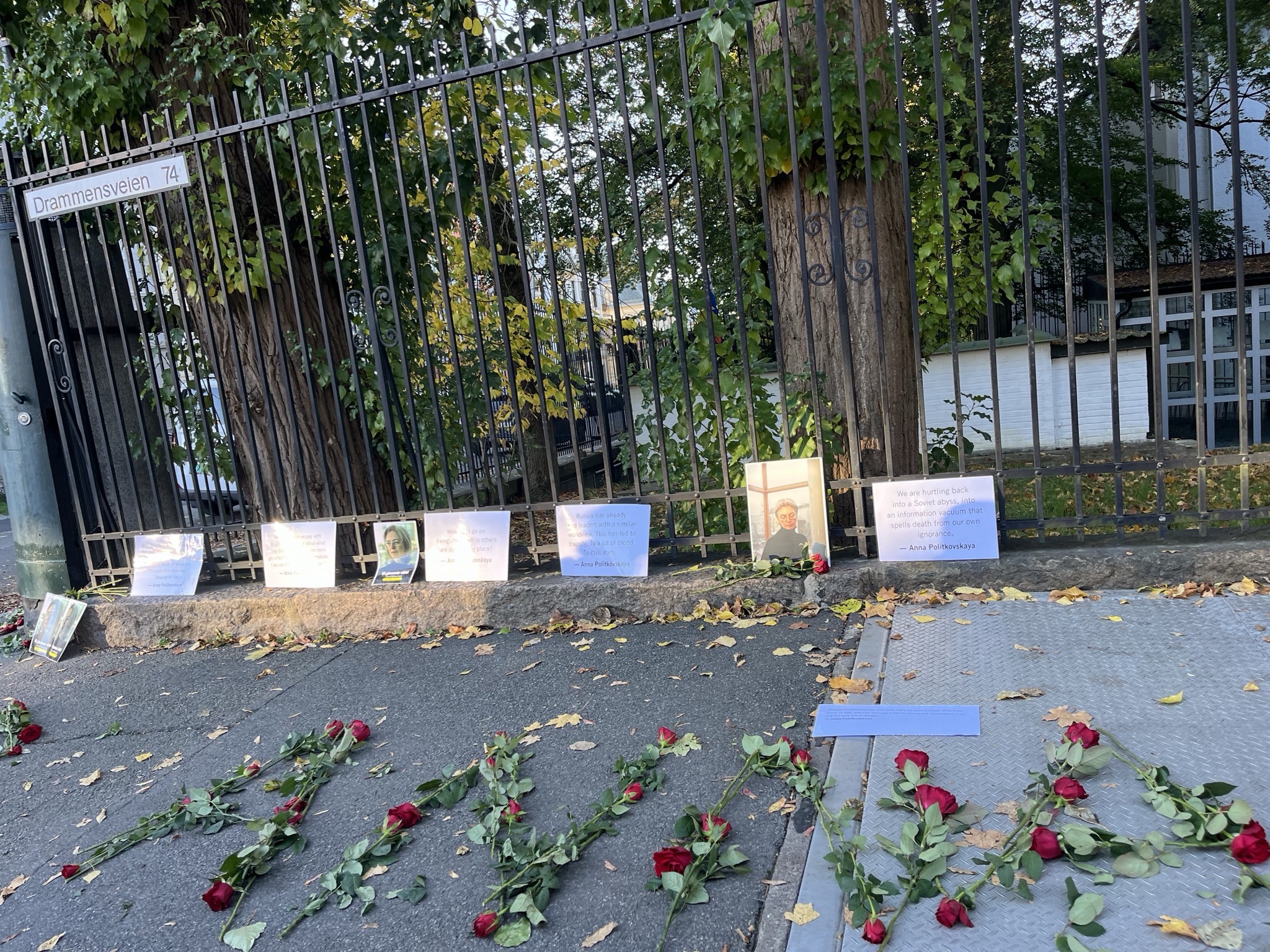
Anna Politkovskaya’s name laid out in flowers in Oslo
Human rights
Anna Politkovskaya’s name laid out in flowers in Oslo
7 October 2026

Memorial events for Anna Politkovskaya are taking place in countries around the world today, marking 20 years since the murder of the journalist, who spent many years reporting on the war in Chechnya and human rights violations.


European Parliament Demands Withdrawal of Lawsuit to Ban Opposition Parties in Georgia
Politics
European Parliament Demands Withdrawal of Lawsuit to Ban Opposition Parties in Georgia
7 October 2026

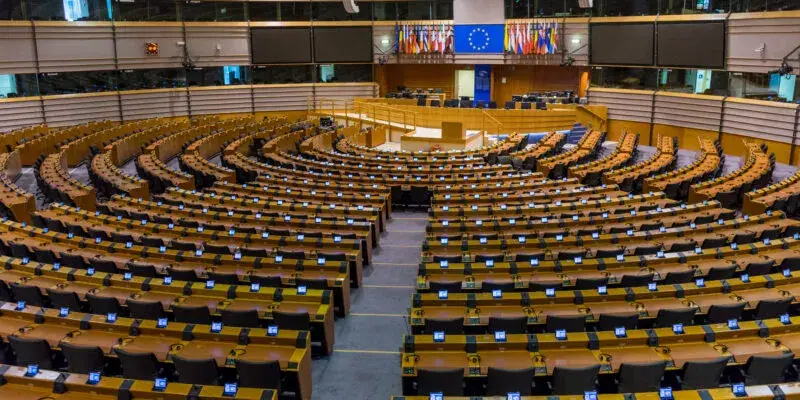
In a draft resolution, the European Parliament has called on Georgian authorities to immediately withdraw the constitutional lawsuit seeking to ban opposition parties. The document is set for a vote on October 8, following a debate on the country's political situation taking place in Strasbourg on October 7.

On Putin’s birthday, Kadyrov speaks of the
Politics
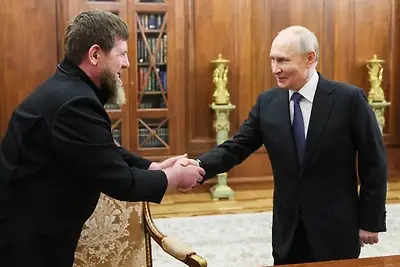
On Putin’s birthday, Kadyrov speaks of the "special significance" of his name for Chechnya
7 October 2026

Chechen leader Ramzan Kadyrov congratulated Vladimir Putin on his birthday and stated that the Russian president's name holds "special significance" for the Chechen people. According to Kadyrov, the region will "never forget" the support Putin extended to his father—Chechnya’s first president, Akhmat-Khadzhi Kadyrov—"at a time when the future of the Chechen Republic depended on the decisions being made."