North Ossetian Police Launch Inquiry Into Threats Against Women Linked to Telegram Channel
Police in Russia's North Ossetia have launched an inquiry following a campaign of online harassment targeting women through the Telegram channel Kavkazskaya Obshchina ("Caucasian Community"). The channel's administrators published women's personal information, insulted them and issued threats of violence over behaviour they claimed violated Caucasian traditions. The channel has since been blocked, although no criminal case has yet been opened.
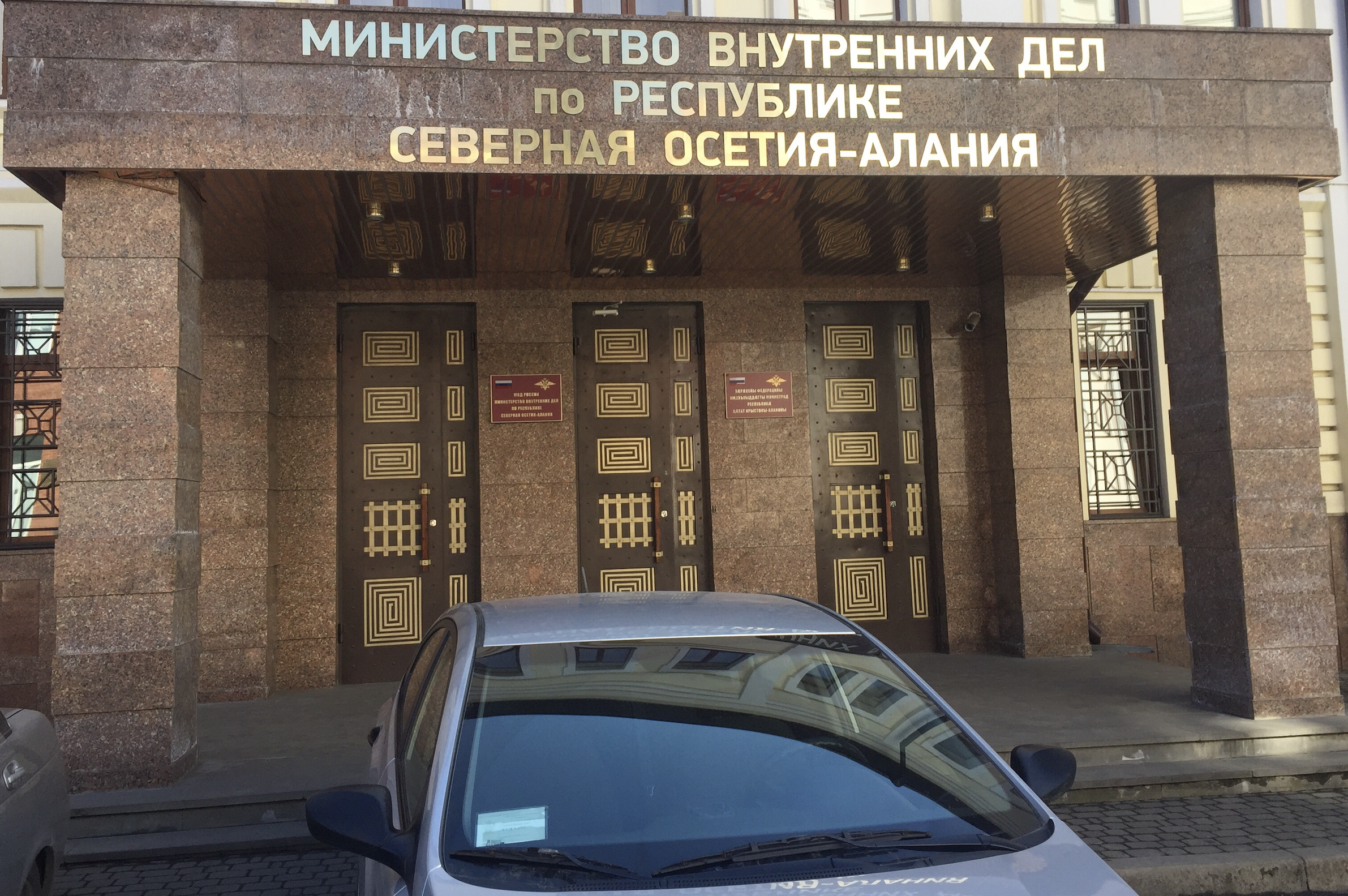
The Interior Ministry of North Ossetia commented publicly on the case for the first time several days after it attracted widespread public attention. The inquiry was prompted by a complaint filed by a 24-year-old woman from the town of Beslan.
Investigators are now seeking to identify the administrators of Kavkazskaya Obshchina as well as users who posted comments beneath its publications. Police will assess whether the content of the posts and the threats they contained constitute criminal offences.
According to several local media outlets, the complainant may be Karina Kodzaeva, whose case triggered the latest escalation of the controversy. The channel drew attention to a video she had posted on Instagram showing herself dancing in jeans and a sleeveless top. Its administrators described her appearance as "bringing shame upon our ancestors and traditions."
Soon afterwards, Kodzaeva's personal information, including what was said to be her home address, was published online. She and members of her family began receiving insults and threats, while her Instagram page was flooded with abusive comments, prompting her to make her account private.
Sobchak Enters the Dispute
The case gained nationwide attention after Russian journalist Ksenia Sobchak intervened. She appealed to North Ossetian head Sergei Menyailo, urging him to respond publicly and calling on law enforcement authorities to investigate the activities of Kavkazskaya Obshchina.
"Yes, you have your own traditions, but calls to deprive women of their health and even their lives are surely not something a regional leader should ignore," Sobchak wrote.
She also demanded that the Telegram channel be blocked, accusing its administrators of inciting hatred on ethnic and gender grounds.
Sobchak later edited her social media post, removing part of her direct appeal to Menyailo. The head of North Ossetia has not yet commented publicly on the controversy.
Representatives of Kavkazskaya Obshchina responded by insulting Sobchak and issuing threats against Menyailo himself. The channel's administrators declared that they would bring the regional leader "to his knees" if he attempted to "persecute worthy Ossetians."
Telegram subsequently blocked the channel, stating that it had violated the platform's community rules by promoting violence.
Sobchak Accused of Double Standards
Sobchak's intervention also prompted criticism on social media, where some users accused her of applying double standards.
Critics argue that she publicly demanded action from regional authorities after an Ossetian woman became the target of harassment by Kavkazskaya Obshchina, but did not make comparable public appeals when Muslim women and women from the North Caucasus were subjected to similar harassment by activists and ultranationalists associated with Russkaya Obshchina ("Russian Community").
According to her critics, Sobchak called for investigations into those behind the Ossetian campaign, demanded the blocking of their online platforms and urged authorities to consider criminal proceedings. However, they say she made no comparable public statements when women were reportedly targeted because of wearing the hijab, their ethnicity or their association with North Caucasian communities.
At the same time, the absence of public comment on individual incidents does not in itself imply that Sobchak supports the activities of Russkaya Obshchina. Rather, the criticism centres on allegations of inconsistent public responses that emerged after her active involvement in the North Ossetian case.
"Cleanse the Caucasus of Clowns and Shame"
Kavkazskaya Obshchina was established in January 2026. According to its published manifesto, the movement sought to become "a fortress for those who place honour above likes" and declared among its goals the "cleansing of the Caucasus of clowns and shame."
Its founders said they aimed to defend national dignity and traditional values against cultural degradation and assimilation. They pledged to monitor bloggers, performers and other public figures to ensure that young people would not be exposed to what they described as "vulgar dances and empty jokes."
In practice, women became the campaign's primary targets. Reasons for public shaming and harassment included revealing clothing, dancing, tattoos, certain professions or comments made on social media.
Among those targeted were Vladikavkaz dance school director Diana Pogorelova, entrepreneur Alana Sontse and employees of a pole dance studio. Men who publicly defended the women also became targets of harassment.
According to the independent outlet Pole Zreniya, those identified as founders of the movement included North Ossetia natives Armen Avanesov, artist Fred-As Betanti—previously fined for displaying Nazi symbols—and Kirill Maksimkin, a member of the ruling United Russia party and political activist.
Alongside its Telegram channel, the group also operated an Instagram page called Na Kavkaze Eskorta Net ("There Is No Escort in the Caucasus"). The account published photographs and videos of women whom its administrators accused of violating public morality, accompanied by humiliating descriptions.
In some cases, women's personal information appeared online shortly after these posts. Commenters called for them to be beaten, have their heads shaved, be forced to kneel and for violence to be directed against their relatives. The publication of home addresses and explicit threats transformed what had begun as a dispute over tradition into a matter of physical safety.
Campaigns Against Women Long Predate the Group
Kavkazskaya Obshchina did not invent this practice. Campaigns targeting women for allegedly "improper behaviour" have existed across the North Caucasus for many years. With the rise of social media, online groups began publishing women's photographs, details of their private lives and allegations of sexual promiscuity without their consent.
In North Ossetia, such campaigns have repeatedly spilled beyond the internet. Women have faced public criticism and harassment over their clothing, dancing and appearance, while public figures have been pressured into issuing public apologies.
One of the best-known cases occurred in 2021, when comedian Arina Lolayeva and Alexander Ni were subjected to a wave of harassment after making a joke about the traditional Ossetian pie. Both later apologised publicly, and Lolayeva has said her mother was forced to leave the republic because of the backlash.
The current controversy has once again raised the question of who has the authority to define the boundaries of "traditional" behaviour. Supporters of movements such as Kavkazskaya Obshchina argue that they are acting out of concern for preserving national culture and Ossetian identity. Their opponents counter that protecting traditions does not give private groups the right to publish personal data, threaten individuals or appoint themselves as arbiters of punishment.
Local experts argue that the challenges facing Ossetian culture extend far beyond the behaviour of individual women. For years, cultural activists have warned about the shrinking space for the Ossetian language, cultural autonomy and independent public debate.
Their critics argue that policing women's clothing and social media activity does nothing to address those deeper problems. Preventing a young woman from dancing or wearing a sleeveless top will not increase the number of people learning the Ossetian language or strengthen national literature, theatre or cinema. Instead, they argue, threats against women presented as a defence of national dignity ultimately turn tradition itself into a justification for violence.
The debate—which pits sharply contrasting visions of tradition, individual freedom and national identity against one another—has grown increasingly polarised in recent years, with the divide between the opposing sides continuing to widen.