The Georgian Prime Minister used the dispersal of a protest in Denmark to politically troll Brussels.
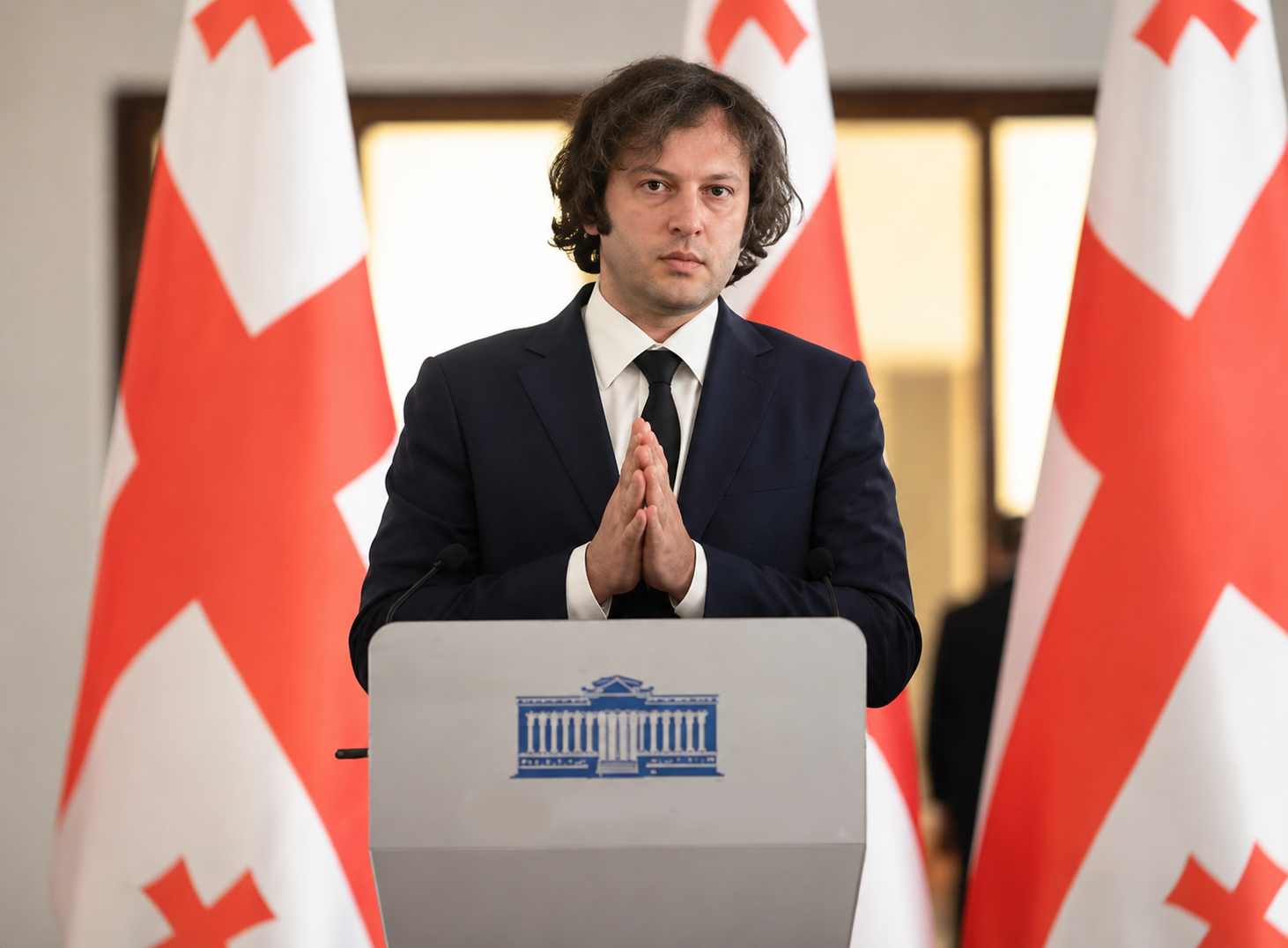
Georgian Prime Minister Irakli Kobakhidze sent an open letter to the leadership of the European Union, accusing European institutions of abandoning democratic principles and employing double standards.
The letter was addressed to European Commission President Ursula von der Leyen, European Council President António Costa, and European Parliament President Roberta Metsola. In his address, Kobakhidze stated that Georgia remains part of "European civilization," and its aspirations to join the EU are based on a commitment to Christian values, freedom, and democracy.
However, the bulk of the letter is devoted to criticism of Europe itself. Kobakhidze writes about "democratic regression" in the EU, economic problems, the migration crisis, and the "weakening of national and gender identity." The recent dispersal of a protest in Copenhagen served as the pretext for these statements.
The Georgian Prime Minister questioned the Danish police's actions against European standards of human rights and democracy. "The painful images of the dispersal of a peaceful demonstration revealed a disturbing reality," the letter states.
This refers to a protest outside the offices of the shipping company Maersk, organized by the Danish Green Youth Movement. Activists accuse the company of transporting weapons to Israel amid the war in Gaza. According to the organizers, police used batons and sniffer dogs against demonstrators, and criminal charges have been brought against some of the participants.
Kobakhidze's letter comes amid the ongoing conflict between Tbilisi and Brussels. In recent years, the EU has repeatedly criticized the Georgian authorities for adopting the "foreign agent" law, dispersing protests, and pressuring the opposition. One EU statement called the events in Georgia "a serious setback in the country's democratic development."
Against this backdrop, Kobakhidze's address appears to be political trolling by Brussels: the Georgian prime minister effectively used the same language and the same tropes about "democratic rollback" that European officials had previously used against the Georgian authorities themselves.