Russia brings back Euro 2 fuel as North Caucasus remains at the center of a gasoline crisis
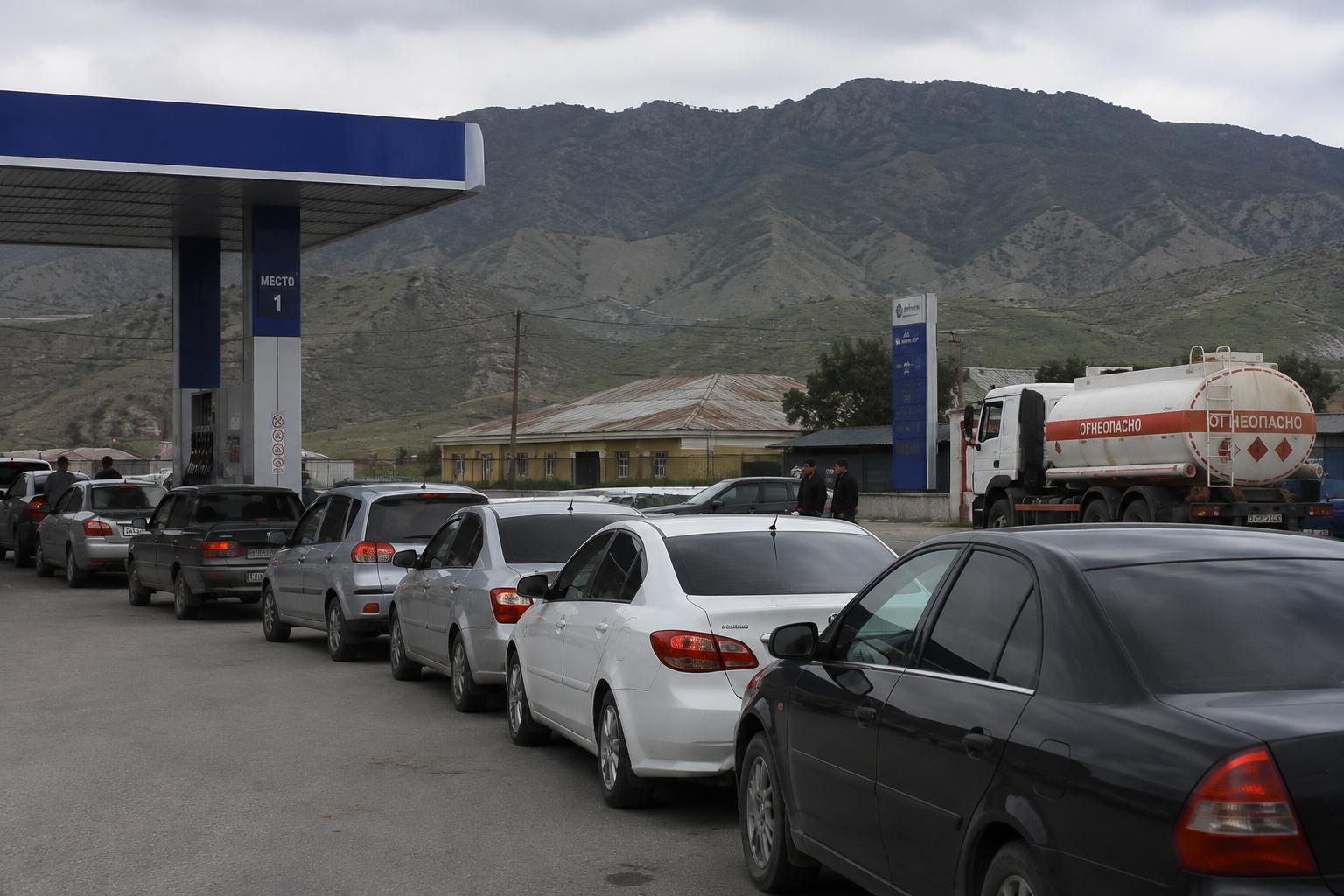
The Russian government has authorized the production, import and sale of Euro 2, Euro 3 and Euro 4 gasoline until July 1, 2027, temporarily reversing environmental standards that had phased out older fuel grades. The move comes amid a nationwide fuel shortage that has hit Russia’s North Caucasus particularly hard, with motorists facing gasoline shortages, long queues at filling stations, purchase limits and sharp price increases throughout the summer.
The decree was signed by Prime Minister Mikhail Mishustin. The Energy Ministry said the temporary relaxation of fuel standards is intended to ensure stable supplies to the domestic market and prevent further shortages. Officials stressed that the measure is temporary and that filling stations will be required to display the environmental class of the fuel they sell.
The decision effectively returns Euro 2 gasoline to the Russian market, despite the standard having been banned since 2013. Compared with the current Euro 5 standard, Euro 2, Euro 3 and Euro 4 fuels contain higher levels of sulfur and other pollutants but can be produced more easily, allowing refiners to increase fuel supplies more quickly.
North Caucasus bears the brunt of the fuel crisis
The impact of the crisis has been most visible in Russia’s North Caucasus. During July, motorists across several republics simultaneously faced fuel shortages, long lines at gas stations, limits on fuel purchases and rapidly rising prices.
According to Russia’s state statistics agency, Rosstat, the average gasoline price across the North Caucasus Federal District rose from around 68 rubles per liter at the end of May to 95.6 rubles between July 14 and July 20.
The sharpest increases were recorded in Dagestan, Chechnya and Kabardino-Balkaria. By the third week of July, average gasoline prices had reached 114 rubles per liter in Dagestan, nearly 103 rubles in Kabardino-Balkaria and around 102 rubles in Chechnya. At the end of May, the corresponding prices had been approximately 69, 69 and 67 rubles per liter.
Official statistics, however, reflect only average prices. At the height of the shortage, private filling stations were charging significantly more for the most popular grades of gasoline, while motorists queued for fuel at larger chain stations offering lower prices, where sales were periodically restricted.
In North Ossetia, authorities introduced fuel purchase limits at the end of July, allowing local residents to buy no more than 50 liters per vehicle, while transit drivers were limited to 30 liters. In Chechnya, motorists reported intermittent shortages at major fuel chains, while private stations were selling gasoline for more than 100 rubles per liter. In Kabardino-Balkaria, the price of AI-95 gasoline at some private stations peaked at 135–150 rubles per liter.
The situation in Stavropol Krai began to stabilize toward the end of July, although Rosstat still recorded a substantial increase in average gasoline prices—from 69 rubles per liter at the end of May to 84.5 rubles by mid-July.
Why Moscow is bringing back Euro 2
The government’s decision represents another attempt to stabilize Russia’s fuel market. Following a series of Ukrainian drone strikes on oil refineries, several plants suspended operations at individual processing units or underwent repairs, reducing refining capacity and disrupting fuel supplies in parts of the country. In response, the authorities had already imposed restrictions on gasoline and diesel exports in an effort to keep more fuel on the domestic market.
Allowing the production and import of Euro 2, Euro 3 and Euro 4 gasoline expands the range of fuel that can legally be sold despite falling below Russia’s current environmental requirements. The government hopes the measure will increase domestic fuel supplies after export restrictions and administrative controls failed to fully stabilize the market.
Fuel quality may become the next challenge
The North Caucasus is already facing another issue: fuel quality.
On August 6, authorities in the Dagestani city of Kaspiysk attributed disruptions in garbage collection to widespread breakdowns of refuse trucks, which municipal officials said had been caused by poor-quality fuel. The statement came after residents complained about overflowing waste containers across the city.
There is no direct connection between that incident and the government’s latest decision, as the authorization to sell lower-grade gasoline has only recently come into force. However, the episode highlights another emerging concern for the region: alongside price and availability, fuel quality may become an equally significant issue as Russia seeks to ease its supply crisis.