Saakashvili given another four and a half years in prison

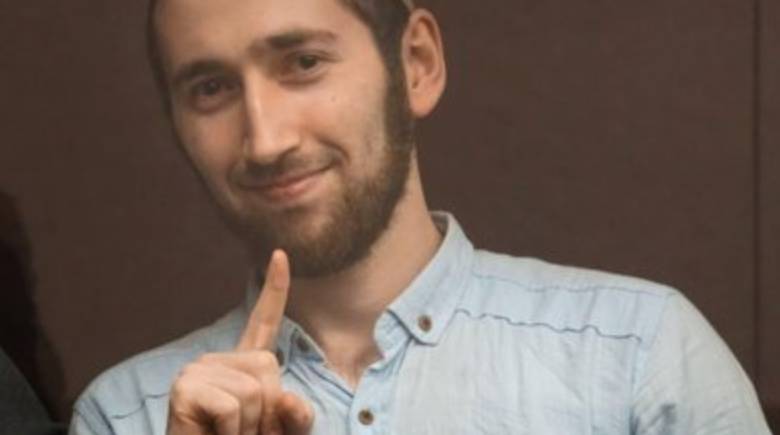
The third president of Georgia, Mikheil Saakashvili, was found guilty of illegally crossing the border and sentenced to four years and six months in prison. Taking into account the three previous sentences, the politician's total prison term is 12.5 years, Mtavari reports. Thus, he will serve his sentence until April 1, 2034.

The ex-president, who was wanted, returned to Georgia in a cargo trailer with dairy products that arrived by ship from the Ukrainian city of Chornomorsk to the port of Poti. He was detained on October 1, 2021.

Recall that last week, a Tbilisi court sentenced Mikheil Saakashvili to nine years in prison in a case of embezzlement of more than 8.8 million lari from the state budget between September 2009 and February 2013. In addition, he previously received six years in prison for two other sentences: he was found guilty of beating MP Valeri Gelashvili and illegally pardoning the murderers of United Bank of Georgia employee Sandro Girgvliani. Another case against the politician remains pending - regarding the dispersal of an opposition rally in Tbilisi in 2007 and the seizure of the Imedi television company.

Mikheil Saakashvili himself considers all the charges brought against him to be politically motivated. Recently, he stated that the third sentence, like the previous ones, was handed down to him on the personal order of the founder of the country's ruling party, Bidzina Ivanishvili. In his Facebook post, he appealed to the international community to fight against the injustices happening in Georgia.

The former president has also repeatedly stated that his health has sharply deteriorated during his imprisonment. Representatives of the opposition, the fifth president of Georgia, Salome Zurabishvili, and Western politicians have spoken out in his defense. The country's authorities, in turn, claim that all decisions regarding Saakashvili are made within the framework of the law.
Последние новости
Georgia again rejected calls to join anti-Russian sanctions
Politics
Georgia again rejected calls to join anti-Russian sanctions
25 February 2026

Georgian Prime Minister Irakli Kobakhidze criticized Brussels' demands to join sanctions against Russia. He said these calls were inappropriate, given that the EU itself is a major importer of Russian products.

Ruben Vardanyan Drops Appeal Against 20-Year Sentence in Azerbaijan
Human rights
Ruben Vardanyan Drops Appeal Against 20-Year Sentence in Azerbaijan
25 February 2026

Billionaire and former Nagorno-Karabakh state minister Ruben Vardanyan, sentenced in Baku to 20 years in prison, rejected the legal force of the ruling and dropped his appeal. His family explained that this decision stemmed from the fact that, in their view, the trial was a "staged performance" rather than a proper trial: the hearings were held behind closed doors, without access to independent observers, and the prosecution's motions were ignored. The full text of the verdict was also not released.

Azerbaijani political prisoners appeal to the European Commission to address human rights in the country
Human rights
Azerbaijani political prisoners appeal to the European Commission to address human rights in the country
25 February 2026

A group of imprisoned activists and journalists from Baku's Penal Colony No. 2 has appealed to the President of the European Commission. They demand the implementation of European Parliament resolutions calling for the release of Azerbaijani political prisoners.

Chechnya Leads in Lowest Alcohol Sales
Economy
Chechnya Leads in Lowest Alcohol Sales
25 February 2026

In 2025, residents of the North Caucasus regions consumed the least amount of hard liquor in Russia. The lowest official retail sales figures were recorded in Chechnya (0.01 liters per capita). Other republics of the North Caucasus Federal District also demonstrated modest figures: Ingushetia - 0.7 liters, Dagestan - 2.2 liters, Kabardino-Balkaria - 2.6 liters, North Ossetia - 3 liters, and Karachay-Cherkessia - 3.4 liters. Experts attribute this decline to the prevalence of cultural and religious restrictions, as well as a preference for low-alcohol beverages.