Saakashvili criticized Transparency International Georgia for refusing to recognize him as a political prisoner
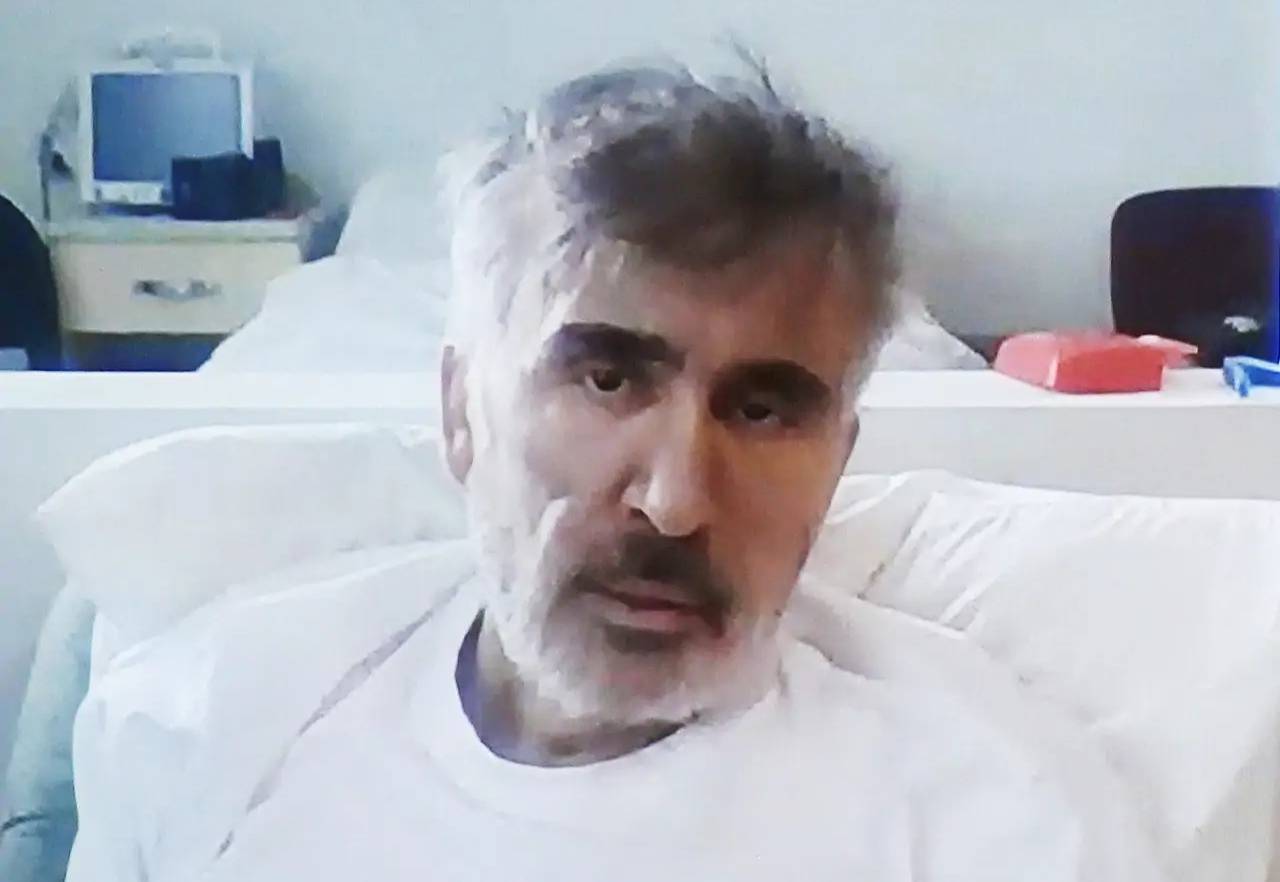
Georgia's third president, Mikheil Saakashvili, criticized Transparency International Georgia after the organization failed to include him on its list of political prisoners. TI's updated report states that there are currently 91 political prisoners in the country, but the former president's name is not among them.
On his Facebook page, Saakashvili stated that he considers this decision deliberate and called it "utterly shameful." He believes that some Georgian NGOs operate with bias, leading people to perceive such organizations as "insincere, ineffective grant-eaters." He also called for "a fitting response to this false 'transparency.'"
The former president stated that he believes it was certain Georgian NGOs that contributed to the discrediting of his reforms and the rise of Bidzina Ivanishvili to power. He also accused them of failing to respond to alleged political persecution of the opposition, election violations, and their refusal to call the current situation in the country a "dictatorship."
Saakashvili emphasized that, according to him, the Parliamentary Assembly of the Council of Europe, the European Parliament, and Amnesty International had previously called him a political prisoner. However, he believes Transparency International Georgia deliberately refused to grant him such status.
After the publication of the report, the organization clarified that it had only included those imprisoned for political statements or participation in protests. Saakashvili rejected this explanation, stating that he himself is currently being tried, in part, for political statements and calls to participate in protests as part of the so-called sabotage case.
According to Transparency International Georgia's latest report, 91 defendants and convicts currently in custody meet the criteria for a political prisoner developed by the Parliamentary Assembly of the Council of Europe.
Saakashvili has been in custody since October 2021, when he secretly returned to Georgia from Ukraine despite criminal charges pending against him. During this time, Georgian courts have convicted him several times, including for abuse of office, embezzlement of public funds, and illegal border crossing. The former president himself considers his prosecution politically motivated.