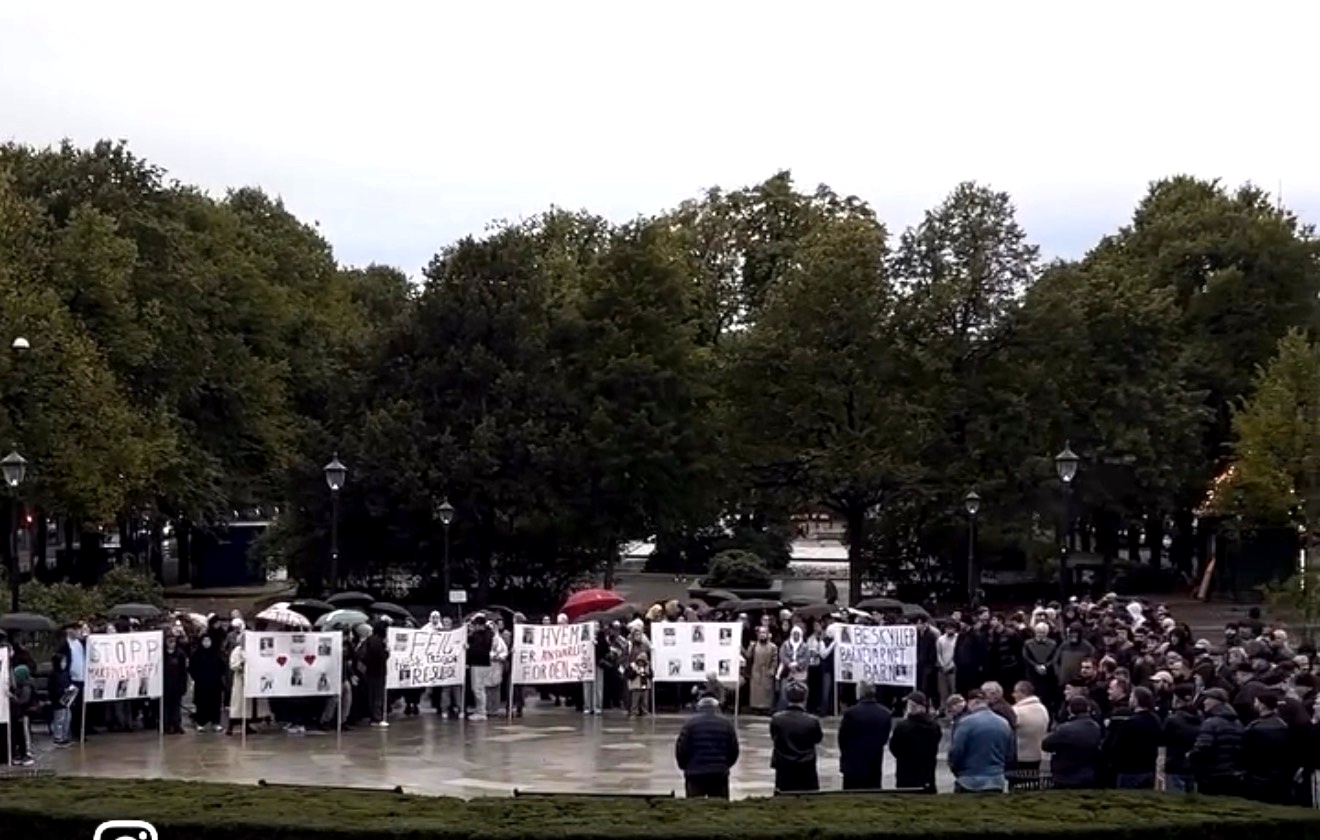
Security forces have reached the system's muftis: nationalists gleefully speak of the "fight against Islamization"
Today, Russian security forces carried out a series of arrests of Muslim clergy members—people who for years have been perceived as part of the state religious system, integrated into the vertical power structure and oriented toward cooperation with the Kremlin.
Meanwhile, Russian security forces have so far offered almost no explanation. Neither the official reasons for the arrests, nor the charges against most of the defendants, have been disclosed. Information began to spread not through law enforcement agencies, but through Telegram channels associated with Roman Silantyev, an ultra-conservative Orthodox publicist known for his Islamophobic views and close ties to Russian nationalist circles. The topic was later picked up by Tsargrad and other right-wing media outlets.
Among those whose names have already appeared in publications are the Mufti of Mordovia, Abdulmalik Asainov, and the former Mufti of Karelia, Visam Ali Bardvil. There have also been reports of detentions or investigations of representatives of Muslim organizations in St. Petersburg and Saratov, but there is no reliable information yet about their situation.
Almost immediately after the initial reports, ultranationalist websites began presenting the events not as an isolated military operation, but as part of the fight against the so-called "Islamization of Russia." The publications began to feature the usual far-right talking points about a "Muslim lobby," the "creeping influence of Islam," and the need for stricter controls over Muslim organizations.
One of the main commentators on this campaign was Silantyev, one of the most radical ideologists of anti-Muslim rhetoric in Russia, known for his calls for violence and the mass extermination of Muslims. He had previously publicly declared the need to "exterminate 700,000 Muslims" and for years promoted the idea of a "threat of Islamization," speaking out against Islamic communities, migrants, and Muslim organizations.
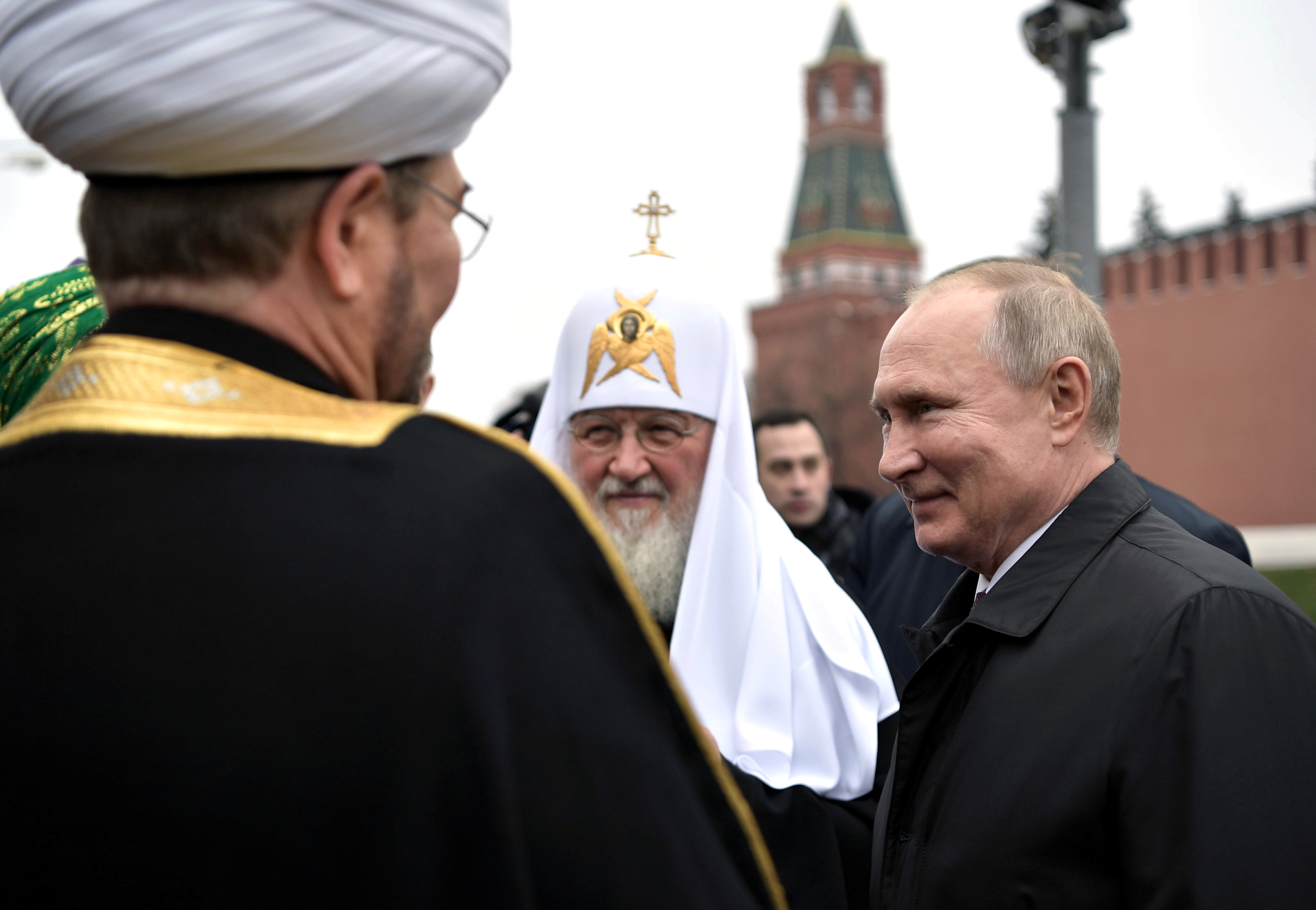
Against this backdrop, it is particularly telling who exactly is at the center of this current story. This isn't about underground groups, an armed insurgency, or unaffiliated Islamic activists. The pressure has come against representatives of the official clergy—that part of the Muslim elite that had long demonstrated loyalty to the state and participated in building the model of "traditional Russian Islam."
In fact, this refers to a network linked to the Spiritual Administration of Muslims of the Russian Federation and the Council of Muftis of Russia, headed by Ravil Gainutdin. This structure was considered one of the state's key partners in working with the country's Muslim population. Representatives of the Muftiate participated in official events, interacted with regional administrations, and tried to avoid direct confrontation with the federal government.
Nevertheless, even this loyal part of the Islamic clergy periodically entered into cautious disputes with the state. The muftis spoke out against bans on Islamic literature, criticized restrictions on wearing hijabs, and attempted to respond to initiatives that many Muslims perceived as an attack on religious rights.
At the same time, there were also many complaints within the Muslim community about the official muftiates. Independent activists accused them of excessive caution and reluctance to openly defend believers in high-profile criminal cases. One such case was the prosecution of publisher Aslambek Ezhaev, accused of financing terrorism. Many Muslim figures called the case politically motivated and accused the official clergy of responding too weakly.
Now the situation appears different: the violent pressure previously associated primarily with independent Islamic activists appears to be beginning to affect that portion of the Muslim clergy considered most integrated into the state system.
Neither the Spiritual Directorate of Muslims of the Russian Federation nor Russian security agencies have yet made detailed public comments on the situation.