Snow cover in Armenia’s mountains is shrinking amid warming — study
Experts from Armenia’s Hydrometeorology and Monitoring Center have examined temperature changes in the country over recent decades, concluding that warming is occurring significantly faster there than the global average. The findings were published on October 24, 2026, in the scientific journal npj Climate and Atmospheric Science.
The authors analyzed data from 38 meteorological stations covering the period from 1979 to 2024. According to their calculations, the global average temperature rose by approximately 0.2 degrees per decade during this time. In Armenia, the rate of warming during winter, spring, and summer exceeded 0.5 degrees per decade—a figure comparable to, or in some seasons even higher than, those recorded in Europe.
2023 was one of the warmest years in recent times, ranking third in terms of average annual temperature since 1935. Furthermore, March and November were the warmest on record since 1979, while December ranked second.
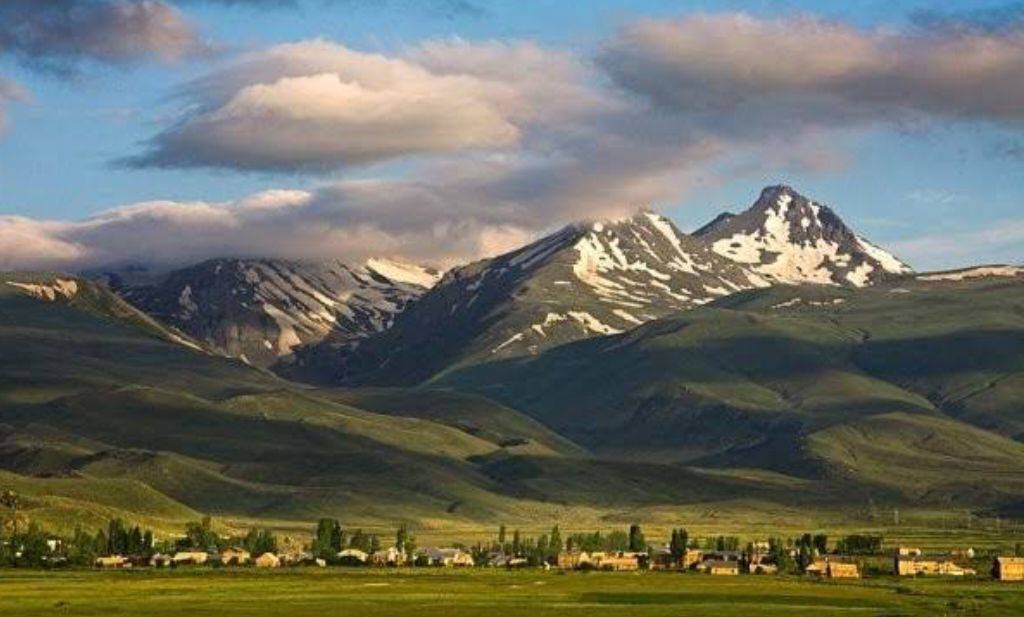
These anomalously high temperatures have also affected mountain snow cover. In March 2023, the average monthly snow depth at most mountain weather stations ranged from 5 to 25 centimeters. At the Aragats station, located at an altitude of over 3,200 meters, the depth reached 125 centimeters—approximately 50 centimeters below the median value for that month. In December, snow levels at most mountain stations did not exceed five centimeters.
The researchers note that snow cover is influenced not only by temperature but also by precipitation levels and the weather conditions of preceding months. In particular, the winter of 2023 was warm and dry, which may have also reduced snow accumulation.
For Armenia, this is significant primarily due to the role that mountain snow plays in the formation of water resources. As it melts, it replenishes rivers and other water sources. If snow reserves diminish or if the snow melts earlier than usual, it can affect water availability during the warmer months, including for the irrigation of agricultural land.
Warming also poses risks to winter tourism. The study’s authors note that unusually warm weather between November and March is unfavorable for winter sports. Furthermore, the use of artificial snowmaking on slopes is not yet widespread in Armenia.
Changes in temperature and snow patterns can also affect mountain ecosystems, as the seasonal cycles of plants and the habitats of animals depend on them. However, the specific impact of warming on individual species of flora and fauna was not examined by the authors of this study.