A Turkologist warns of foreign policy developments in Armenia that it cannot ignore
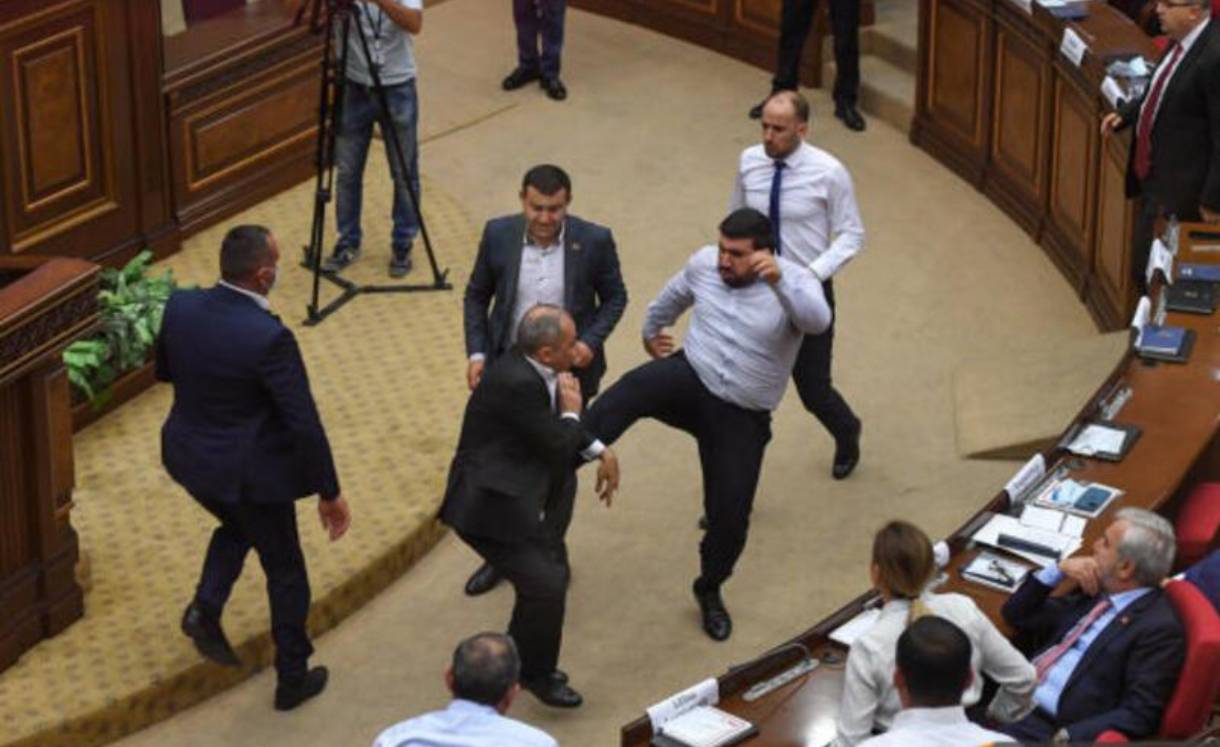
While Armenia's attention is focused on the work of the new parliament and disputes over parliamentary mandates, processes are unfolding outside the country that could have a far greater impact on its future. Turkologist Varuzhan Geghamyan has drawn attention to this.
According to him, a "vacation lull" has set in in Armenia, with the opening of the National Assembly remaining the main topic. However, the expert believes that "political vacations only exist in Armenia," while "critical processes are unfolding with unprecedented speed" around the country.
Geghamyan first identified a new stage in the standoff between the US and Iran. He assessed that the two sides "have essentially left themselves with only one tool—further escalation." To confirm the scale of the tension, he cited the figure: "To date, more than 50,000 people on the American side are directly and indirectly involved in the war," adding that "this is only the beginning."
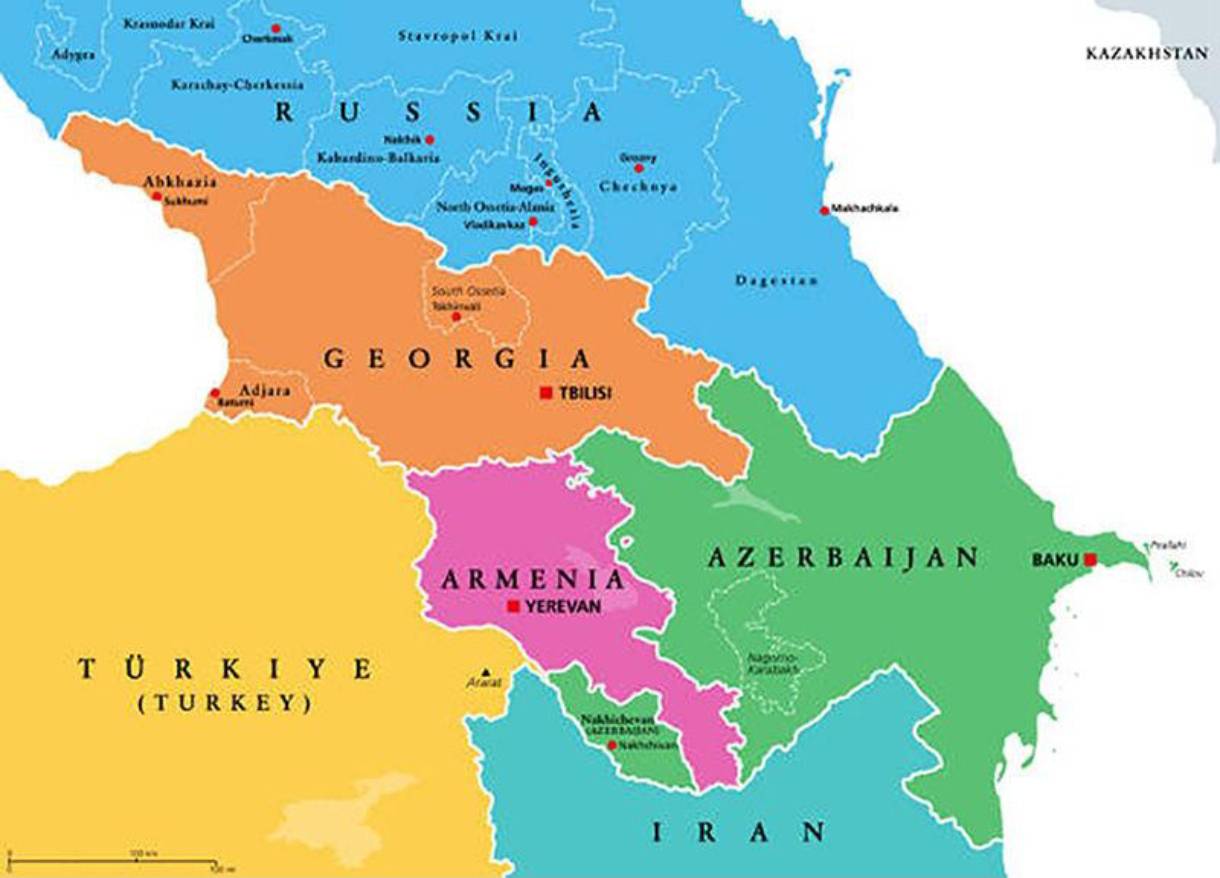
The expert believes the second important development is Azerbaijan's growing role on the international stage. He notes that President Ilham Aliyev is "consistently working with the European Union" and is increasingly positioning himself as a regional mediator. He cited the recent meeting between Russian and German representatives in Baku as an example.
"A stronger Azerbaijan = greater pressure on Armenia on all key issues—from the 'corridor' to the reduction of the Armenian army," Geghamyan writes.
The third factor he cited was the NATO summit in Turkey. According to the expert, its results gave new impetus to Ankara's relations with the alliance, and Turkey itself is once again viewed by the West as "a crucial defensive line that must be maintained and whose 'whims' must be tolerated."