Drone threat hits North Caucasus, disrupting flights at several airports
A drone threat alert was issued simultaneously in six North Caucasus republics on Aug. 15. Makhachkala airport temporarily suspended arrivals and departures, while air-raid restrictions coincided with hours-long flight delays at several airports across the North Caucasus.
Authorities issued warnings of a possible drone attack in Dagestan, Chechnya, Ingushetia, North Ossetia, Kabardino-Balkaria and Karachay-Cherkessia. There was no confirmed information that drones actually reached the territory of each republic. No casualties or damage were reported.
The most direct disruption was reported in Makhachkala. At 11:08 a.m. Moscow time, Russia's Federal Air Transport Agency suspended arrivals and departures at Uytash Airport. Operations resumed after the restrictions were lifted, but delays remained in the schedule. Two aircraft were diverted to alternative airports while the restrictions were in effect.
Disruptions were also visible at Vladikavkaz airport. According to its online departures and arrivals board at 6:40 p.m. Moscow time, at least eight flights were significantly behind schedule. The average delay was about three hours, while some flights were delayed by six to eight hours.
Only one scheduled flight operated from Magas on Aug. 15 — DP 6904 to Moscow. It was also delayed: the aircraft departed Magas at 10:30 a.m. and arrived at Sheremetyevo at 3:27 p.m., two hours later than scheduled.
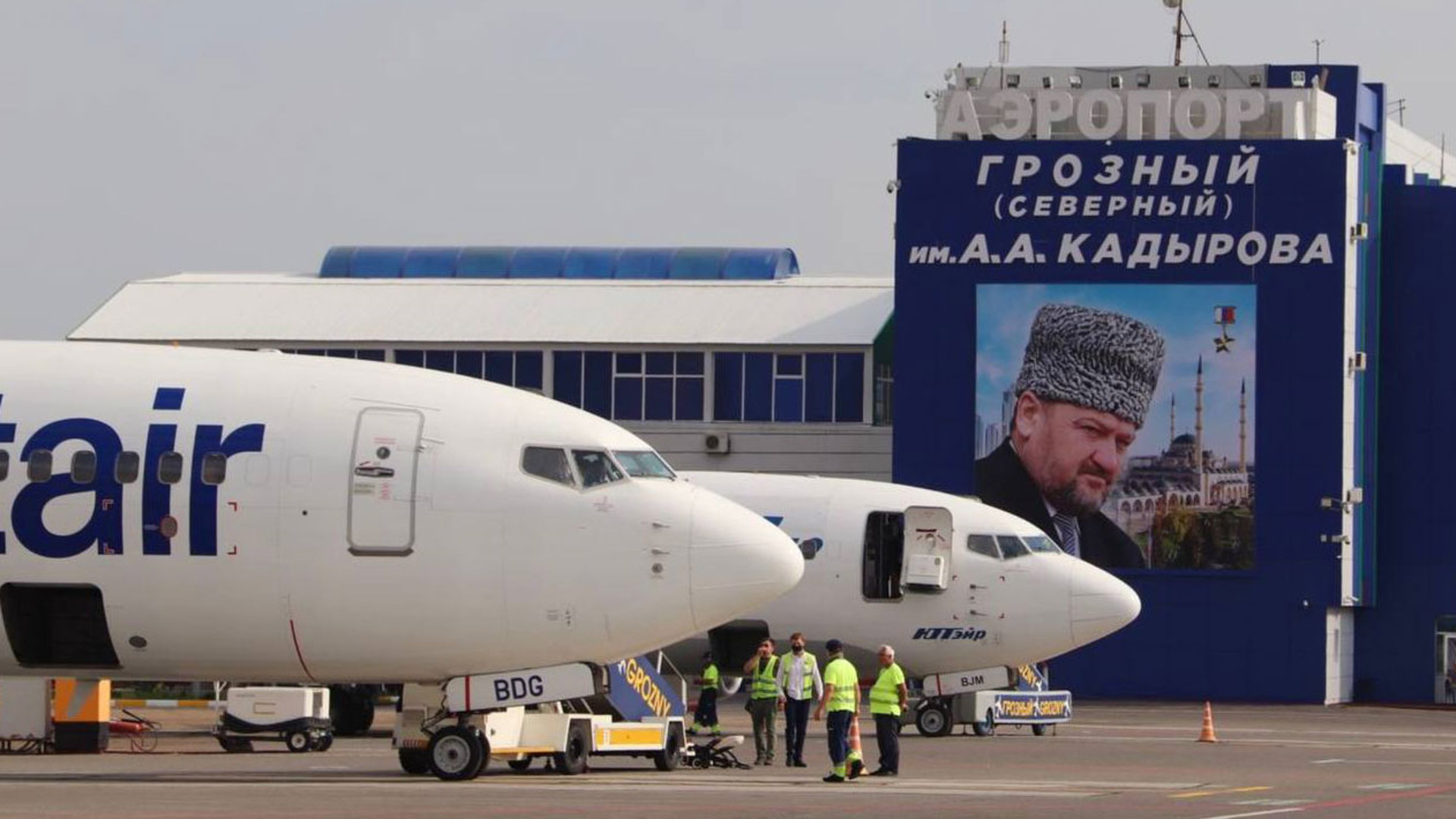
In Grozny, despite the drone threat alert issued in Chechnya, the flight schedule was largely unaffected. According to the airport's online board, only one flight was delayed by about 20 minutes, while the others operated close to schedule. The airport did not suspend arrivals or departures.
The most extensive delays in the North Caucasus were reported at airports in Stavropol Krai. By evening, around 26 flights were delayed at Mineralnye Vody and Stavropol combined. Most of the delays were at Mineralnye Vody, where individual flights were running as much as 12 hours behind schedule.
The drone threat did not lead to the closure of all airports in the North Caucasus, but air traffic across the region was disrupted. The most significant delays were recorded at Mineralnye Vody, Stavropol, Vladikavkaz and Makhachkala, while the situation remained considerably more stable in Grozny and Magas.
The security situation also remained tense in neighbouring regions of southern Russia. Russia's Defence Ministry said that 598 drones had been intercepted overnight over 20 regions and maritime areas. In the Rostov region, power lines were damaged following the attack, leaving about 1,000 residents in seven hamlets without electricity.
The most severe disruption continued in Sochi. According to the latest figures, as many as 175 flights were delayed there, with the longest delays reaching 67 hours after repeated restrictions on arrivals and departures.