Armenia to Begin Issuing New Biometric Passports and ID Cards on 1 November
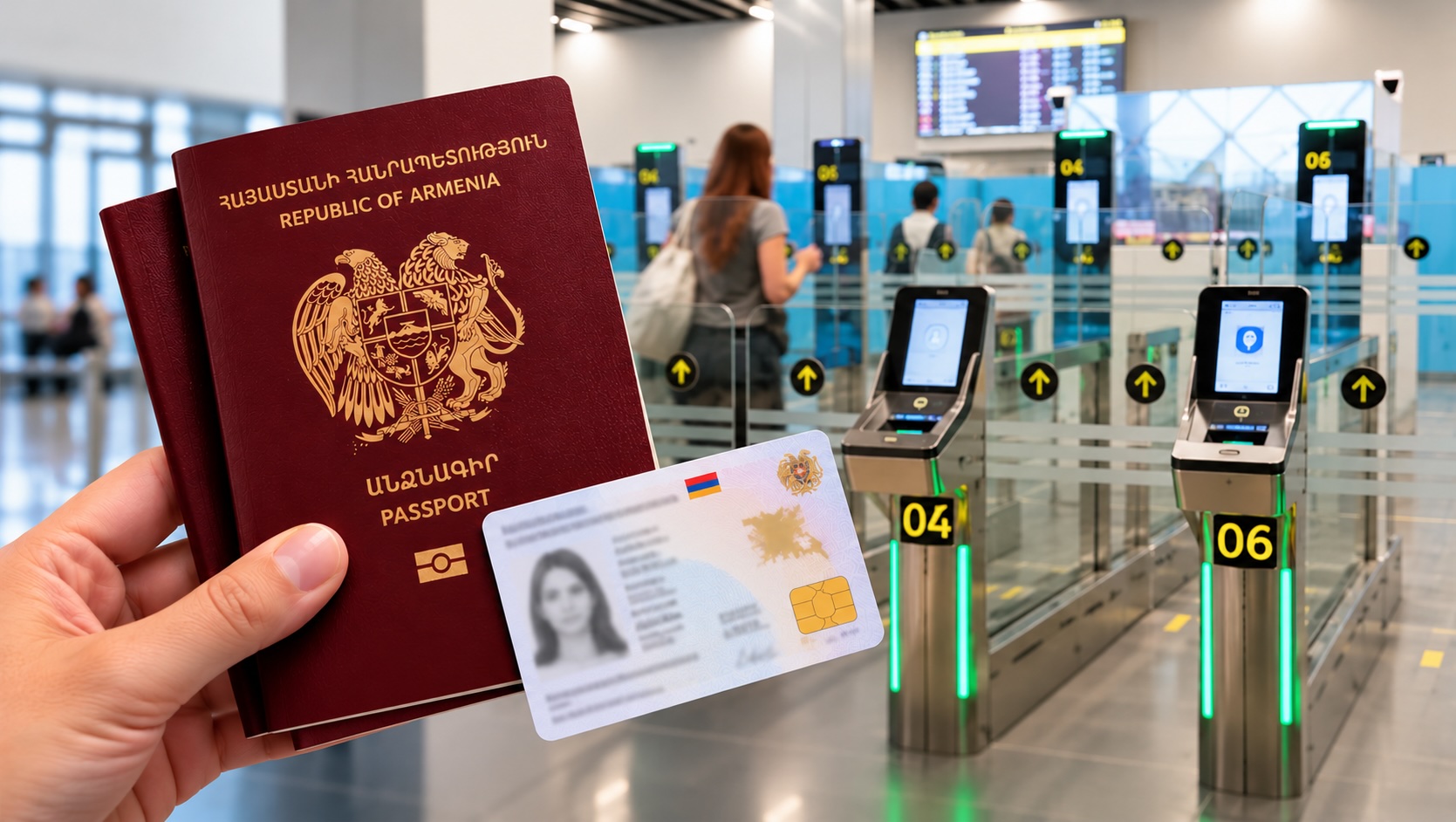
Armenia will introduce a new biometric identification system on 1 November, with citizens set to receive passports containing electronic chips and a new generation of national ID cards. The reform is intended to make Armenian identity documents compatible with international authentication systems and, in the longer term, allow their holders to pass through automated border gates.
The changes will affect not only the appearance and security features of the documents, but also the entire application process and the infrastructure used for border checks. The new passports will comply with the standards of the International Civil Aviation Organization (ICAO), enabling their authenticity to be verified by systems used in other countries.
In the future, holders of the new documents will be able to use e-gates — automated border control gates that allow travellers to pass through without direct interaction with a border guard. To accelerate the introduction of the necessary infrastructure, Armenia’s Interior Ministry has reached an agreement with French company IN Groupe and Armenian company HayPass. However, access to automated border control in other countries will depend on bilateral agreements and data-sharing arrangements between states.
Armenian Interior Minister Arpine Sargsyan said the previous generation of documents did not offer full compatibility with international verification systems or automated border gates abroad. The new system is intended to address these shortcomings.
A modern data centre is being established to process and protect personal information. It will handle the personalisation and printing of passports and ID cards, using secure equipment and round-the-clock monitoring.
A new biometric passport will cost 28,650 drams (approximately $77.40), while an ID card will cost 5,950 drams (around $16.10). Sargsyan stressed that the price of the new passport should be compared with that of the previous biometric passport, which cost 25,000 drams ($67.60), rather than the ordinary passport, which cost just 1,000 drams ($2.70).
The prices were determined on the basis of a proposal submitted by the private partner selected through a competitive tender. According to the minister, no additional state profit margin has been included in the cost of the documents.
The company HayPass will be responsible for processing applications and issuing the documents, while the verification of applicants’ identities and the accuracy of the information they provide will remain the responsibility of the state.
Fourteen service centres are due to begin operating on 1 November, including two located in the Yerevan Mall and Mega Mall shopping centres. The number is expected to rise to 23 by March 2027. The first centre at Yerevan Mall has already opened, with Prime Minister Nikol Pashinyan personally completing the biometric data collection procedure there.
Applications for the new documents will be submitted through an online platform. Applicants will first need to register, enter the required information and pay the fee. Once the Interior Ministry has verified the details, a QR code will be sent to their email address. They will then need to visit their chosen service centre.
At the centre, applicants will have their photograph taken and fingerprints collected. Self-service terminals will also be available for these procedures.