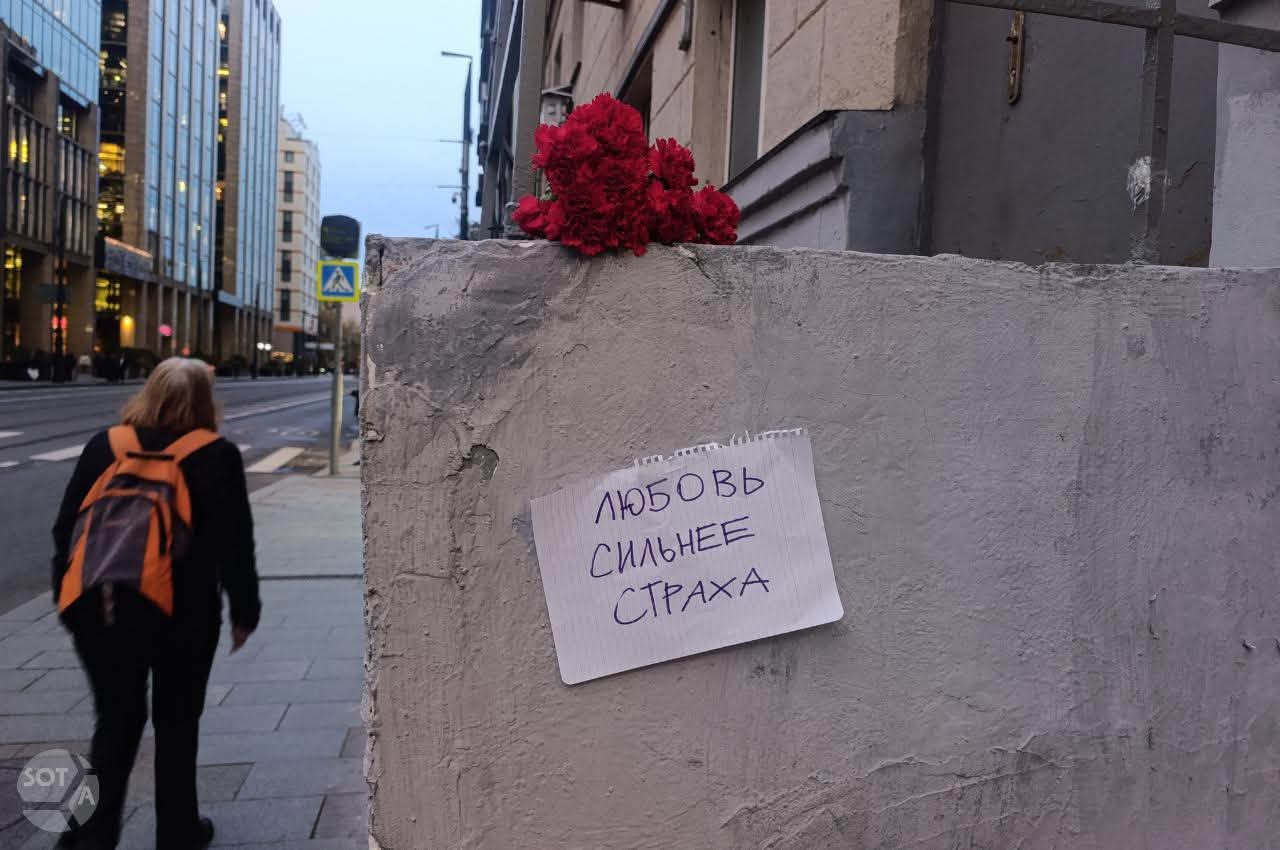
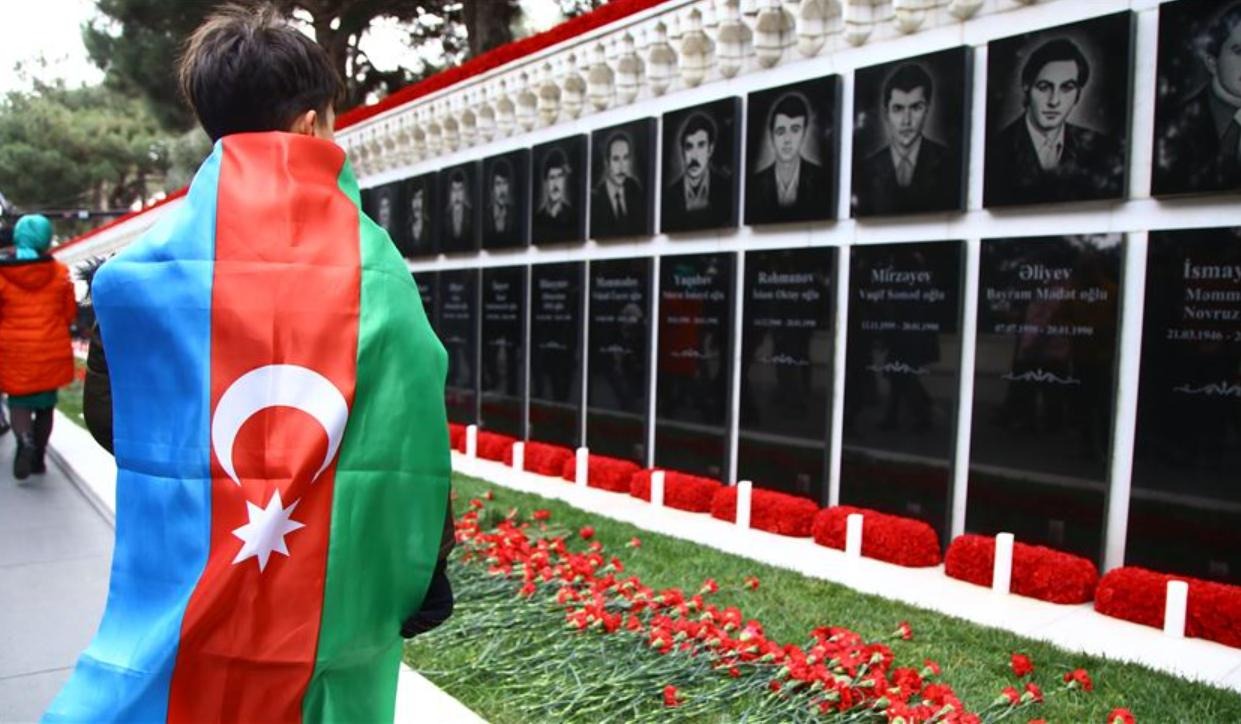
Azerbaijan remembers the date of the suppression of the opposition by the Soviet army with more than a hundred victims
Azerbaijan will have three consecutive non-working days – January 18, 19 and 20. January 20 is the Day of National Mourning in the country.
 
On January 20, 1990, the Soviet army suppressed the political opposition in Baku. More than a hundred civilians, mostly Azerbaijanis, were killed. According to a Human Rights Watch report, “while the Kremlin’s ostensible goal for the military action was to protect the Armenian population, most of the evidence simply does not support this. For example, documents from the military prosecutor’s office in Baku reviewed by Human Rights Watch/Helsinki indicate that military action was planned even before the pogroms of Armenians in Baku that began on January 13, 1990.”
 
On January 26, 1990, the Minister of Defense of the USSR Dmitry Yazov in an interview with Izvestia stated that the goal of the army in Baku was to smash the structures of the seizure of power, which had branches "everywhere". The suppression of demonstrations in Baku turned Azerbaijanis against the USSR and the local leadership, which significantly contributed to the growing desire for independence.
 
The US Congress and the House of Commons of Great Britain issued a statement in connection with the 35th anniversary of the tragedy in Azerbaijan. US Congressmen Steve Cohen and Robert Aderholt called on fellow congressmen to honor the memory of its victims, who died in the name of Azerbaijan's independence.
 
Member of the House of Commons of Great Britain Bob Blackman, in turn, also called on his colleagues to honor the memory of the victims of those events.
 
"On January 20, 2025, Britain will mark the anniversary of the Soviet invasion of Baku in 1990 in response to a popular movement calling for the independence of Azerbaijan. I pay tribute to the victims who died during the invasion of Baku and urge all members to mark this day so that these events will always be remembered,” he said.
Последние новости
Opposition protest, resignation, and Pashinyan’s return: Armenia’s new parliament begins work
Politics
Opposition protest, resignation, and Pashinyan’s return: Armenia’s new parliament begins work
2 August 2026

The inaugural session of the ninth convocation of Armenia’s National Assembly took place in Yerevan. The new parliament began its work with a political protest: during the swearing-in ceremony, opposition representatives refused to stand or recite the oath, whereas deputies from the ruling party stood while doing so. That same day, Nikol Pashinyan’s government resigned, in accordance with the Constitution.

North Ossetian Police Launch Inquiry Into Threats Against Women Linked to Telegram Channel
Society
North Ossetian Police Launch Inquiry Into Threats Against Women Linked to Telegram Channel
1 August 2026

Police in Russia's North Ossetia have launched an inquiry following a campaign of online harassment targeting women through the Telegram channel Kavkazskaya Obshchina ("Caucasian Community"). The channel's administrators published women's personal information, insulted them and issued threats of violence over behaviour they claimed violated Caucasian traditions. 

Human Rights Advocates Question Investigators' Claims Linking Batalkhadzhins to the Caucasus Emirate
News
Human Rights Advocates Question Investigators' Claims Linking Batalkhadzhins to the Caucasus Emirate
1 August 2026

Russian law enforcement agencies have claimed that members of the Batalkhadzhin Sufi community were linked to the Caucasus Emirate*, a militant Islamist organisation. Human rights advocates, however, have questioned the allegations, noting that the group effectively ceased to exist more than a decade ago and that publicly available case materials contain little evidence of specific acts of support for militants.

Threat of Muslim Alkhazov's Deportation From Germany Raises Fresh Concerns Over the Status of Chechen Asylum Seekers in Europe
Human rights
Threat of Muslim Alkhazov's Deportation From Germany Raises Fresh Concerns Over the Status of Chechen Asylum Seekers in Europe
1 August 2026

Germany's decision to deport Chechen-born Muslim Alkhazov despite claims by his legal team that his family has been persecuted has sparked renewed concern among Chechen human rights advocates and members of the diaspora across Europe. They argue that the case could signal an emerging shift in how European authorities assess asylum claims filed by people from Chechnya.