The KBR proposed checking the legality of Stalin's decision to deport the peoples of the North Caucasus

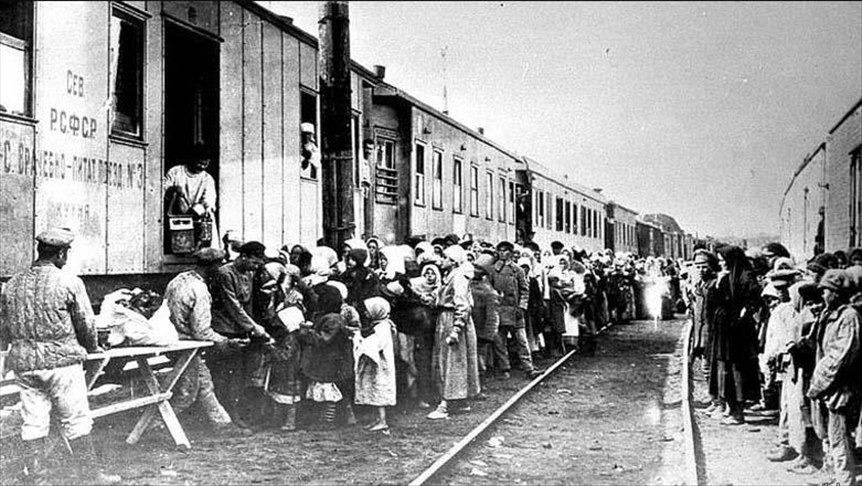
The decision of Stalin, Beria, Molotov, Voroshilov and other members of the USSR State Defense Committee on mass deportations of the peoples of the North Caucasus and other regions of the country on the basis of nationality violated the Soviet Constitution and the Criminal Code. A resident of Kabardino-Balkaria, Oleg Kelemetov, reported this in his statement to the Investigative Committee of the Russian Federation.

Kelemetov believes that the decision of the State Defense Committee to evict Chechens, Ingush, Karachais, Balkars, Kalmyks and Crimean Tatars was absolutely illegal. In his opinion, the reason for the forced relocation was the nationality and ethnicity of the repressed residents.

“The deportation was repressive, indiscriminate, with the use of physical violence, a threat to life and health, and massive episodes of death. The violent actions of government officials were widespread and systemic, which indicates signs of genocide,” the statement noted.

Let us recall that on February 23, 1944, Soviet Secretary General Joseph Stalin gave the order for the deportation of Chechens and Ingush from the North Caucasus region to Central Asia and Siberia. This act was recognized by many countries of the world and the European Parliament as genocide. Half a million people were forced to leave their homes. The number of victims during the eviction period exceeded a third of the total number of peoples.
Последние новости
Disappearances, raids and torture: what Anna Politkovskaya wrote about the second Russian-Chechen war
Chronicle of Wars and Crimes
Disappearances, raids and torture: what Anna Politkovskaya wrote about the second Russian-Chechen war
7 October 2026

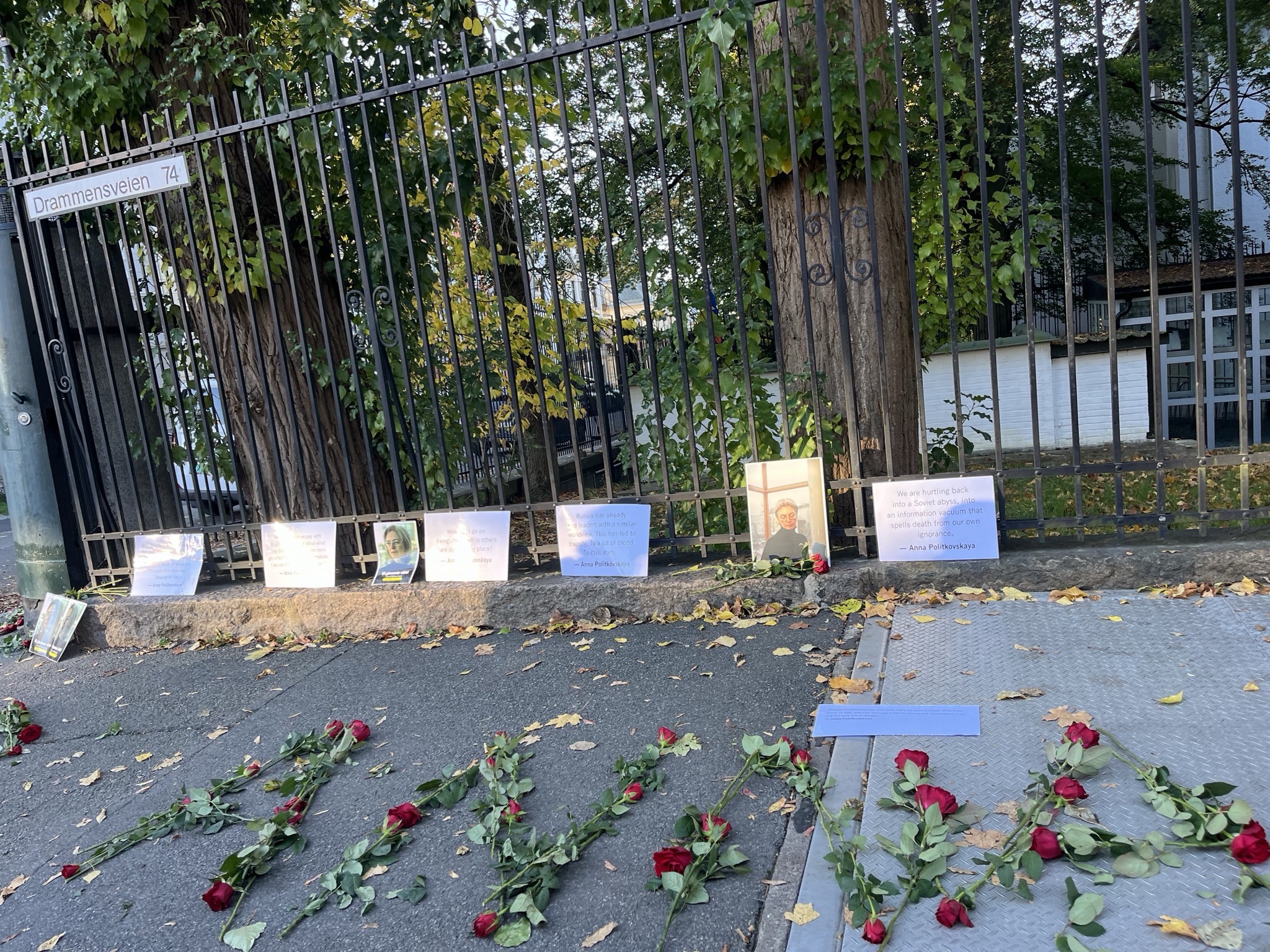
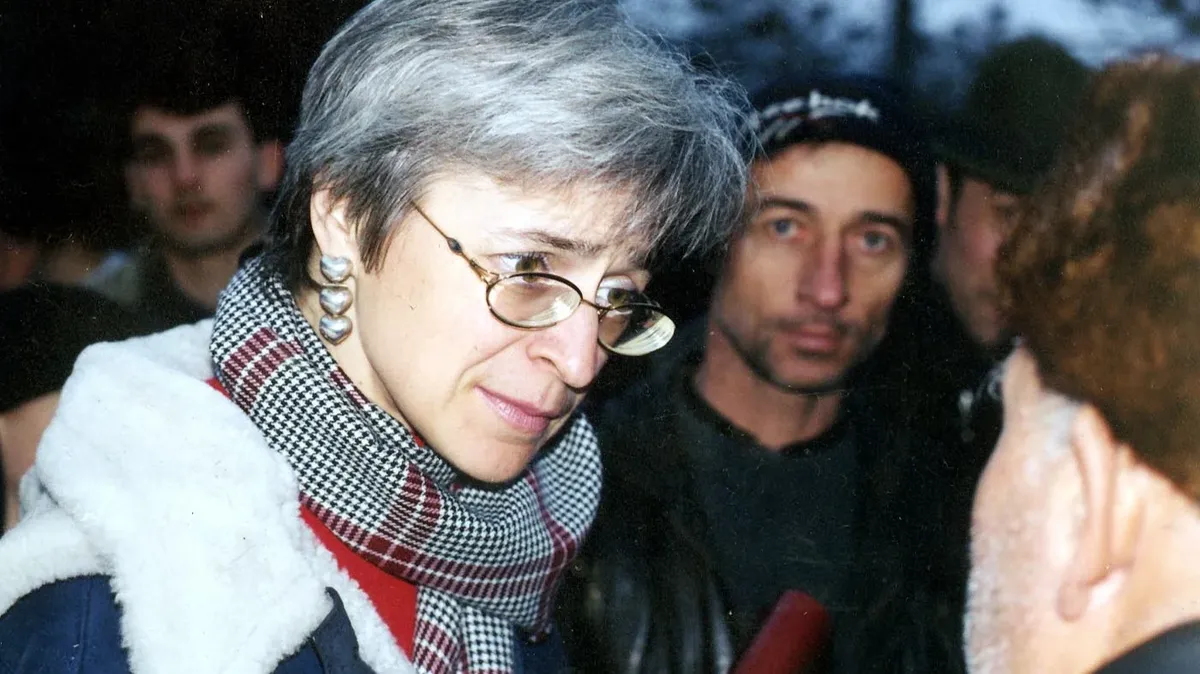
Anna Politkovskaya was killed on 7 October 2006. Her articles, written from behind Chechnya’s blood-soaked information wall and barbed wire, became a voice of truth — the truth about what residents of the republic were experiencing as they became a convenient and powerless collective victim of the global “fight against international terrorism”.

Anna Politkovskaya’s name laid out in flowers in Oslo
Human rights
Anna Politkovskaya’s name laid out in flowers in Oslo
7 October 2026

Memorial events for Anna Politkovskaya are taking place in countries around the world today, marking 20 years since the murder of the journalist, who spent many years reporting on the war in Chechnya and human rights violations.


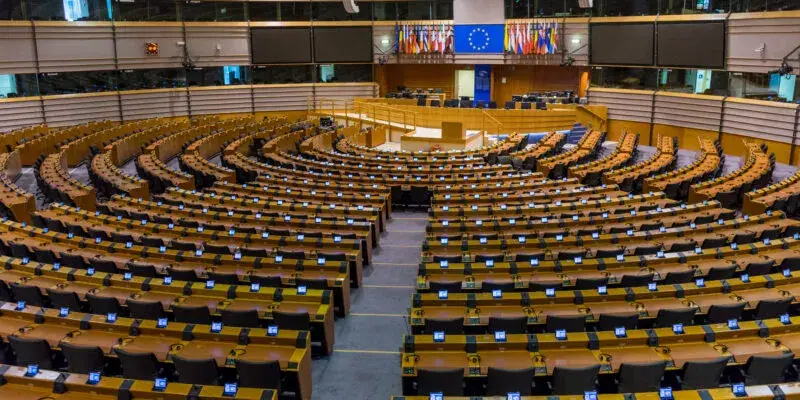
European Parliament Demands Withdrawal of Lawsuit to Ban Opposition Parties in Georgia
Politics
European Parliament Demands Withdrawal of Lawsuit to Ban Opposition Parties in Georgia
7 October 2026

In a draft resolution, the European Parliament has called on Georgian authorities to immediately withdraw the constitutional lawsuit seeking to ban opposition parties. The document is set for a vote on October 8, following a debate on the country's political situation taking place in Strasbourg on October 7.

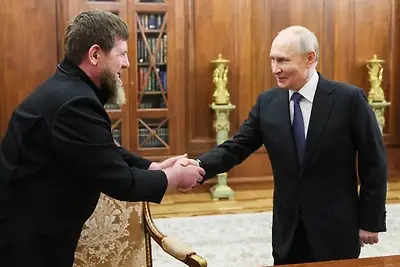
On Putin’s birthday, Kadyrov speaks of the
Politics
On Putin’s birthday, Kadyrov speaks of the "special significance" of his name for Chechnya
7 October 2026

Chechen leader Ramzan Kadyrov congratulated Vladimir Putin on his birthday and stated that the Russian president's name holds "special significance" for the Chechen people. According to Kadyrov, the region will "never forget" the support Putin extended to his father—Chechnya’s first president, Akhmat-Khadzhi Kadyrov—"at a time when the future of the Chechen Republic depended on the decisions being made."