The Netherlands has recognized the deportation of Crimean Tatars as genocide

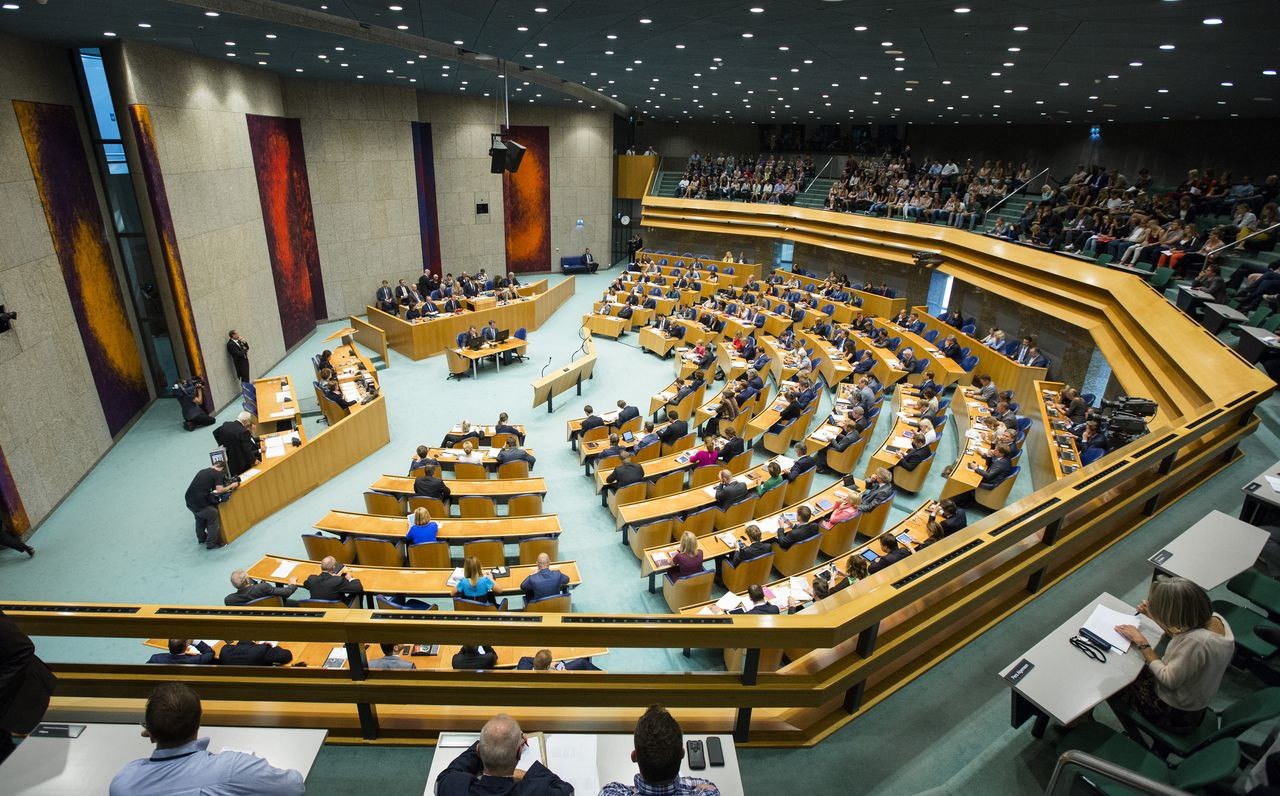
On June 19, the lower house of the Dutch parliament supported the recognition of the deportation of Crimean Tatars in 1944 to the USSR as genocide.

This decision also indicates that since the transfer of Crimea to the Russian Federation in 2014, many Crimean Tatars have been groundlessly imprisoned, tortured, or disappeared.

The Minister of Foreign Affairs of Ukraine Andriy Sybiga thanked the Netherlands for making the corresponding decision.

May 18 has been declared the Day of Remembrance of the Victims of the Genocide of the Crimean Tatar People. On this day in 1944, the USSR began a criminal operation to forcibly deport Crimean Tatars from their historical homeland to Central Asia. According to the National Movement of Crimean Tatars, a total of about 230 thousand people were deported from Crimea. In the first years of deportation, between 20 and 46% of people died from hunger and disease.

Most of the people were forcibly resettled to Uzbekistan, as well as to the adjacent regions of Kazakhstan and Tajikistan. Small groups were sent to the RSFSR: the Mari ASSR, the Southern Urals and the Kostroma region. The deportation took the lives of almost half of the Crimean Tatars, and the rehabilitation of the people during the USSR never occurred.

The informal ban on the return of the Crimean Tatars was in effect until 1989. Over the next four years, half of all Crimean Tatars living in the USSR at that time returned to Crimea - 250 thousand people.

In 2015, the Verkhovna Rada of Ukraine recognized the deportation of the Crimean Tatar people as genocide.
Последние новости
Georgia again rejected calls to join anti-Russian sanctions
Politics
Georgia again rejected calls to join anti-Russian sanctions
25 February 2026

Georgian Prime Minister Irakli Kobakhidze criticized Brussels' demands to join sanctions against Russia. He said these calls were inappropriate, given that the EU itself is a major importer of Russian products.

Ruben Vardanyan Drops Appeal Against 20-Year Sentence in Azerbaijan
Human rights
Ruben Vardanyan Drops Appeal Against 20-Year Sentence in Azerbaijan
25 February 2026

Billionaire and former Nagorno-Karabakh state minister Ruben Vardanyan, sentenced in Baku to 20 years in prison, rejected the legal force of the ruling and dropped his appeal. His family explained that this decision stemmed from the fact that, in their view, the trial was a "staged performance" rather than a proper trial: the hearings were held behind closed doors, without access to independent observers, and the prosecution's motions were ignored. The full text of the verdict was also not released.

Azerbaijani political prisoners appeal to the European Commission to address human rights in the country
Human rights
Azerbaijani political prisoners appeal to the European Commission to address human rights in the country
25 February 2026

A group of imprisoned activists and journalists from Baku's Penal Colony No. 2 has appealed to the President of the European Commission. They demand the implementation of European Parliament resolutions calling for the release of Azerbaijani political prisoners.

Chechnya Leads in Lowest Alcohol Sales
Economy
Chechnya Leads in Lowest Alcohol Sales
25 February 2026

In 2025, residents of the North Caucasus regions consumed the least amount of hard liquor in Russia. The lowest official retail sales figures were recorded in Chechnya (0.01 liters per capita). Other republics of the North Caucasus Federal District also demonstrated modest figures: Ingushetia - 0.7 liters, Dagestan - 2.2 liters, Kabardino-Balkaria - 2.6 liters, North Ossetia - 3 liters, and Karachay-Cherkessia - 3.4 liters. Experts attribute this decline to the prevalence of cultural and religious restrictions, as well as a preference for low-alcohol beverages.