Baltic countries' sanctions lists include dozens of Georgian officials and judges
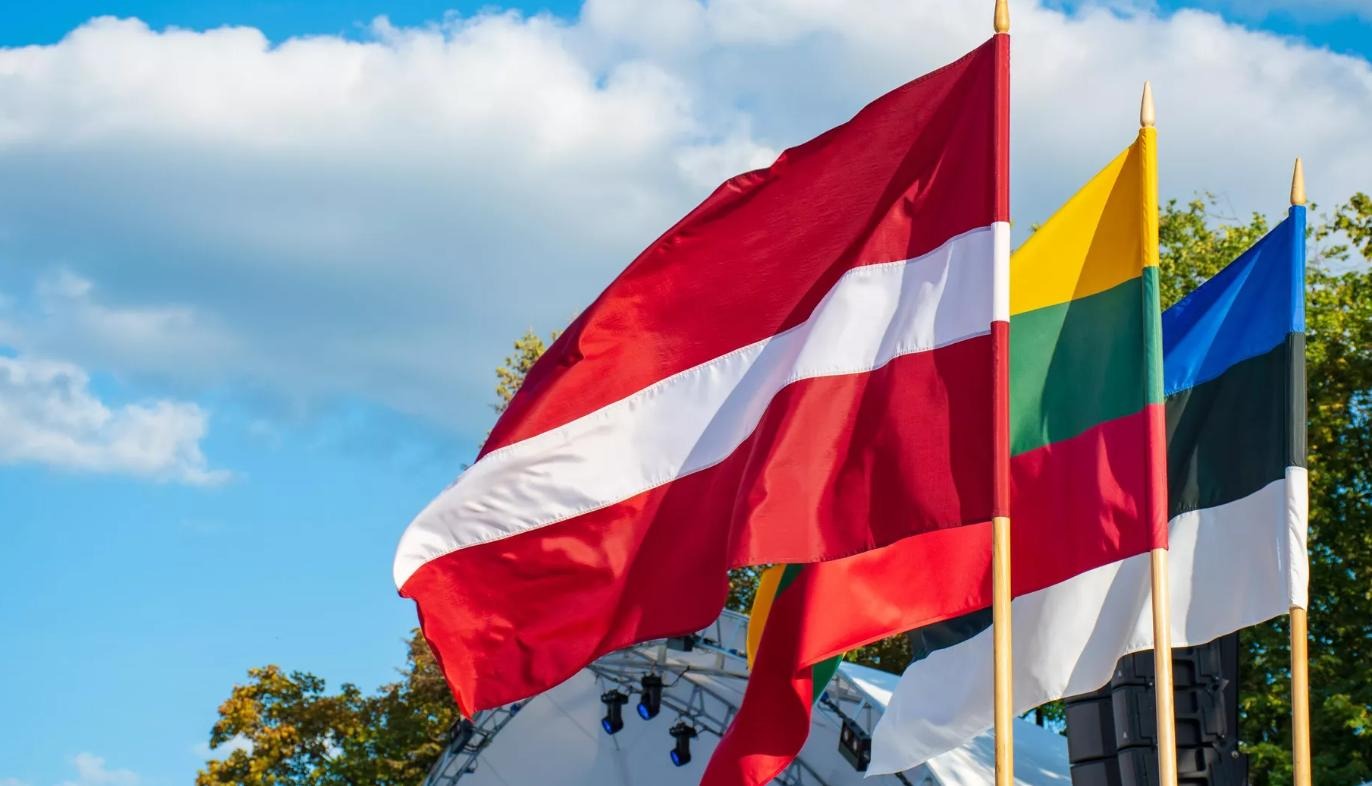
Amid mass protests in Georgia, which have been going on for 96 days, three Baltic countries – Lithuania, Estonia and Latvia – have expanded sanctions against the Georgian authorities. Several dozen officials and judges have been declared persona non grata.
Lithuania has the most impressive sanctions list – 74 people. According to information on the country's Foreign Ministry website, these include seven judges of the Constitutional Court of Georgia, as well as other judges, prosecutors and law enforcement officers, including those who "gave false testimony against journalist Mzia Amaglobeli and facilitated her illegal detention."
Estonia, in turn, included 55 people on the list. According to the statement by the country's Foreign Minister Margus Tsakhkna, the list "includes judges, prosecutors, police officers and commissioners, platform creators and members of parliament involved in the persecution of protesters through the judicial system and law enforcement agencies. These individuals either used violence or threatened them."
Latvia has imposed sanctions on 16 Georgian citizens. They are banned from entering the country for an unlimited period. Latvian Foreign Minister Baiba Braže noted that "this decision was made in accordance with Section 61(2) of the Immigration Law."
All three Baltic countries have condemned the use of violence against protesters, journalists and opposition leaders in Georgia and expressed support for the Georgian people in their aspirations for democracy and European integration.
In late January, the European Union abolished the visa-free regime for holders of Georgian diplomatic passports. EU Ambassador to Tbilisi Pavel Gerčinski said that these measures were a response to the anti-democratic actions of the country's government. In addition, on January 29, the Parliamentary Assembly of the Council of Europe (PACE) limited the powers of the delegation of the ruling party of Georgia, but for now left the mandate in force on the condition that "political prisoners are released in the country by April 2025 and new parliamentary elections are called." In response to this decision, the representative of the Georgian delegation, Tea Tsulukiani, stated that the Georgian Dream "immediately ceases its work in PACE." Irakli Kobakhidze, in turn, added that "the Georgian delegation will return to PACE after the attitude towards the Georgian people and our country changes."