Turkey holds rally in memory of Circassians' expulsion from their historical homeland
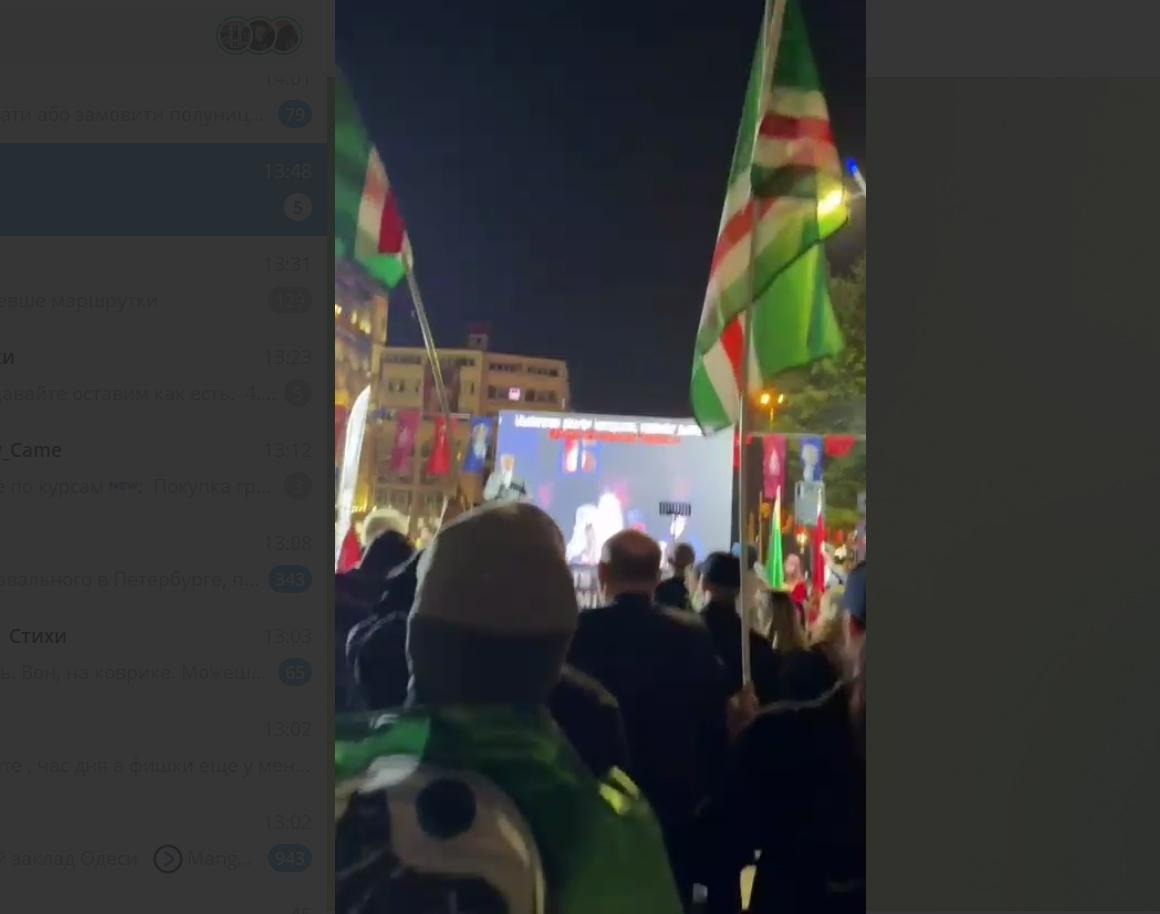
On May 21, the day of remembrance and mourning for the victims of the Caucasian War, about 500 people gathered in Istanbul for a rally - Circassians, Chechens, Abkhazians, Ossetians and other descendants of the peoples of the North Caucasus. They came to honor the memory of the victims of the mass expulsion from their historical homeland that occurred 161 years ago.
The rally included calls for recognition of the Circassian genocide, restoration of political subjectivity and ensuring the right to repatriation. Earlier, the parliaments of Ukraine and Georgia recognized the Circassian genocide in the Russian Empire.
Turkish President Recep Erdogan issued a statement.
"The Circassian brothers were unjustly, illegally, and by inhumane methods expelled from their homeland - the Caucasus. I pray to Allah for mercy for the dead and with all my heart I share their unspeakable suffering,” the president emphasized.
The Caucasian War (1817–1864) is a general name for the military actions of the Russian Imperial Army associated with the annexation of the North Caucasus to the Russian Empire and its military confrontation with the mountain peoples. After the war, the Adyghe (Circassians) were forced to leave their homeland en masse. In 1864, about 1.5 million people were forcibly expelled from the historical Caucasian lands to the Ottoman Empire. Up to 500 thousand of them died along the way.