Georgian authorities deny using "kamit" to disperse protests; NGOs demand a list of the substances used be made public
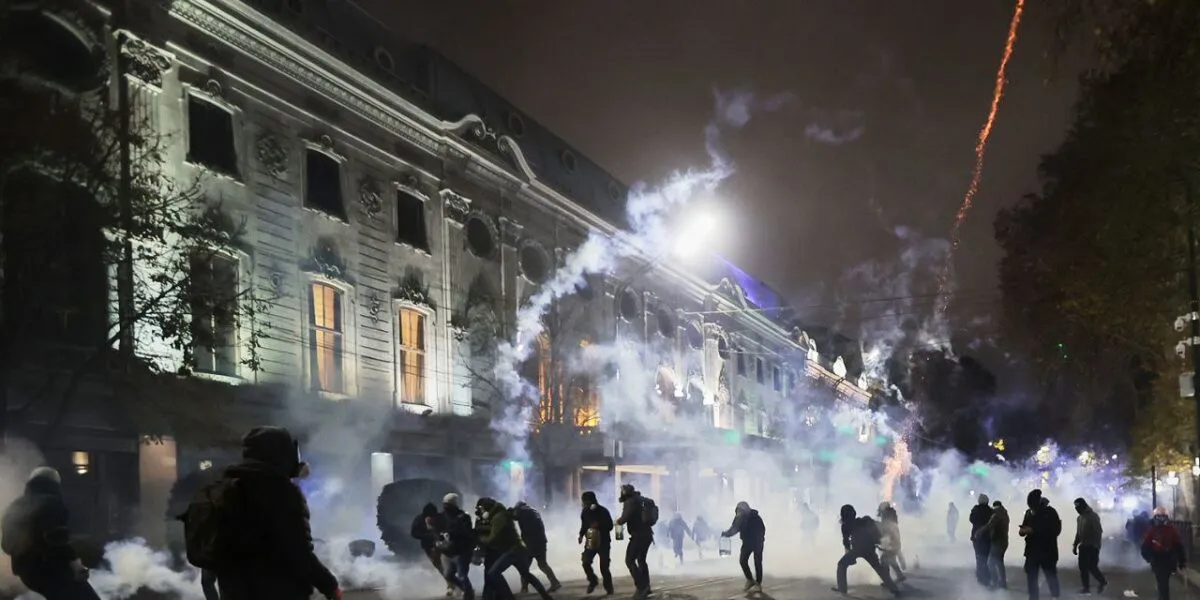
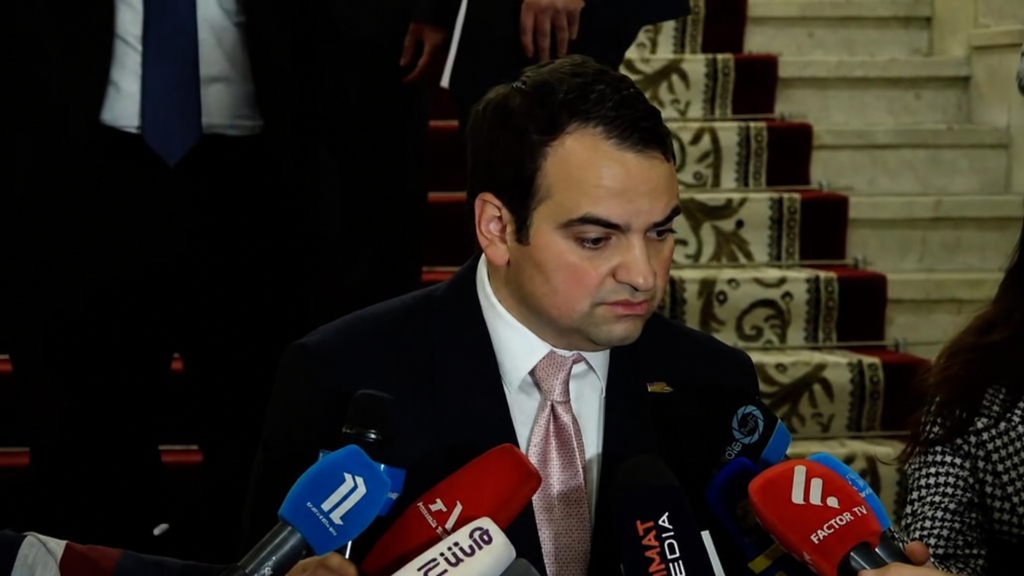
Georgian Prime Minister Irakli Kobakhidze commented on a BBC investigation alleging that the country's authorities used a World War I-era chemical weapon called "kamit" to disperse anti-government rallies. He called this claim "absolutely false."
He said that the fact that the British Broadcasting Corporation relies on the testimony of Konstantin Chakhunashvili, a "staunch participant in radical rallies," demonstrates the very low standards of the network. Kobakhidze noted that the Minister of Internal Affairs will reveal the substance contained in the water used to suppress the protests, but he emphasized that it was definitely not "kamit," and that "the BBC has lied about this."
A day earlier, former Georgian Interior Minister Vakhtang Gomelauri stated that "kamit" and other substances mentioned in the BBC investigation "were indeed purchased by the Ministry of Internal Affairs and used, but before 2012," that is, during the rule of the National Movement party. Following Kobakhidze, current Interior Minister Geka Geladze denied this assertion.
"I can tell you with full responsibility and certainty that the Georgian Ministry of Internal Affairs never purchased the so-called kamit. The State Security Service has launched an investigation. Of course, all relevant examinations will be ordered, all individuals will be interviewed, and questions will be answered. Mr. Vakhtang meant that various substances were purchased in 2009. You will simply be disappointed: this is not kamit," Geka Geladze, Georgian Interior Minister, commented on his predecessor's remarks.
In response to contradictory statements by politicians, 25 Georgian non-governmental organizations issued a joint statement demanding the release of a list of the chemical agents used by police against participants in pro-European protests. The NGOs note that the use of chemicals against large crowds violates international human rights norms and standards and may be considered a form of torture, inhumane, or degrading treatment. The authors of the statement intend to contact the relevant international organizations and institutions in the coming days to ensure they can dispatch expert teams to Georgia to investigate this matter.
As a reminder, the British Broadcasting Corporation (BBC) published a report alleging that Georgian authorities used the chemical weapon "Kamit" during the suppression of pro-European protests in Tbilisi in 2024. The investigation is based on testimonies from demonstrators protesting the government's decision to suspend the country's European integration process: they complained of "scalding water" and of shortness of breath, coughing, and vomiting that lasted for weeks. After speaking with chemical weapons experts, Georgian special forces, and medical professionals, journalists concluded that the aforementioned substance was used.
"Kamit was used by the French army against Germany on the Western Front during World War I. Documented evidence of its subsequent use is scant; it is believed to have been phased out in the 1930s due to concerns about its long-term effects. CS gas, commonly referred to as 'tear gas,' came into use in its place," the BBC report states.