Russian Military Offices Gain Access to Civil Registry Data: What It Could Mean for the North Caucasus
Russian President Vladimir Putin has signed a law granting the Ministry of Defence, military commissariats, the National Guard (Rosgvardia), and commanders of military units direct electronic access to the Unified State Register of Civil Status Records (EGR ZAGS).
The new legislation will allow military authorities to automatically obtain information on births and deaths, marriages and divorces, name changes, and other changes in citizens’ civil status.
The government says the measure is intended to simplify the provision of social benefits to service members and their families while improving the efficiency of Russia’s military registration system. The law comes as Moscow continues to expand the digital infrastructure underpinning military administration amid ongoing discussions about the country’s mobilisation capacity.
The Unified State Register contains information on virtually every officially registered civil status event involving Russian citizens. Direct electronic access will enable military commissariats to update citizens’ records automatically, without having to request information through other government agencies.
Part of a Broader Digitalisation Drive
The legislation marks another step in Russia’s ongoing effort to digitise its military registration system following the launch of its full-scale invasion of Ukraine in 2022.
In recent years, the authorities have established a unified register of citizens liable for military service, introduced electronic draft notices, and steadily expanded the range of state information systems accessible to military authorities.
Human rights organisations that provide legal assistance to conscripts have previously reported cases in which citizens were issued mobilisation orders after being summoned to military enlistment offices under the pretext of “updating personal records.” According to these groups, military commissariats have continued refining the registration system and building an administrative infrastructure that could facilitate a faster mobilisation process if required. Russian authorities, however, have made no official announcement about preparing a new mobilisation campaign.
Analysts at the U.S.-based Institute for the Study of War (ISW) have reached similar conclusions. They argue that the Kremlin has been steadily building the legal and administrative framework necessary to conduct a large-scale mobilisation on short notice should the political leadership decide to do so. Among the measures cited are expanding eligibility for military contracts with the Defence Ministry and amendments to Rosgvardia regulations governing operations during mobilisation and martial law.
According to ISW, by mid-2026 the pace of contract recruitment was no longer fully offsetting Russia’s battlefield losses. At the same time, the institute noted that any decision to launch another mobilisation would ultimately remain a political one, resting with President Vladimir Putin.
What Does This Mean for the North Caucasus?
The new law does not, by itself, alter the legal procedures governing military conscription or mobilisation in the North Caucasus or southern Russia. Instead, it represents another stage in the gradual expansion of digital oversight of Russia’s military registration system, giving military authorities access to yet another large repository of personal data.
Earlier, Putin also signed a decree increasing the authorised strength of the Russian Armed Forces to 2,426,130 personnel, including 1,535,000 active service members. While the decree does not automatically trigger a new mobilisation or additional conscription campaign, it reinforces the government’s long-term policy of expanding the size of the armed forces.
At the same time, regular conscription campaigns continue to proceed as planned. The spring 2026 draft was completed in full across the republics of the North Caucasus Federal District.
Dagestan supplied the largest number of conscripts, sending around 3,200 recruits against a target of more than 3,000. North Ossetia dispatched approximately 800 recruits, Kabardino-Balkaria about 750, and Karachay-Cherkessia around 650. Chechnya’s quota stood at 700 conscripts, with authorities expanding the geographical distribution of recruits beyond the Southern Military District. Ingushetia sent 230 recruits into military service.
Russian authorities have not announced any changes to autumn conscription quotas for the North Caucasus republics. Taken together, however, the expansion of digital military registration systems, the increase in the authorised size of the armed forces, and the military’s growing access to government databases point to a continued strengthening of administrative control over Russia’s mobilisation resources.
A Region Already Deeply Affected by the War
These developments carry particular significance for the North Caucasus, where participation in Russia’s war against Ukraine has been disproportionately high.
According to figures previously reported by TRT Russian, between 43,000 and 45,000 people from North Ossetia alone have served in the war, based on information presented at a meeting of the republic’s interagency commission. For a region with a population of roughly 700,000, demographers interviewed by the outlet estimate that this could amount to nearly half of all working-age men.
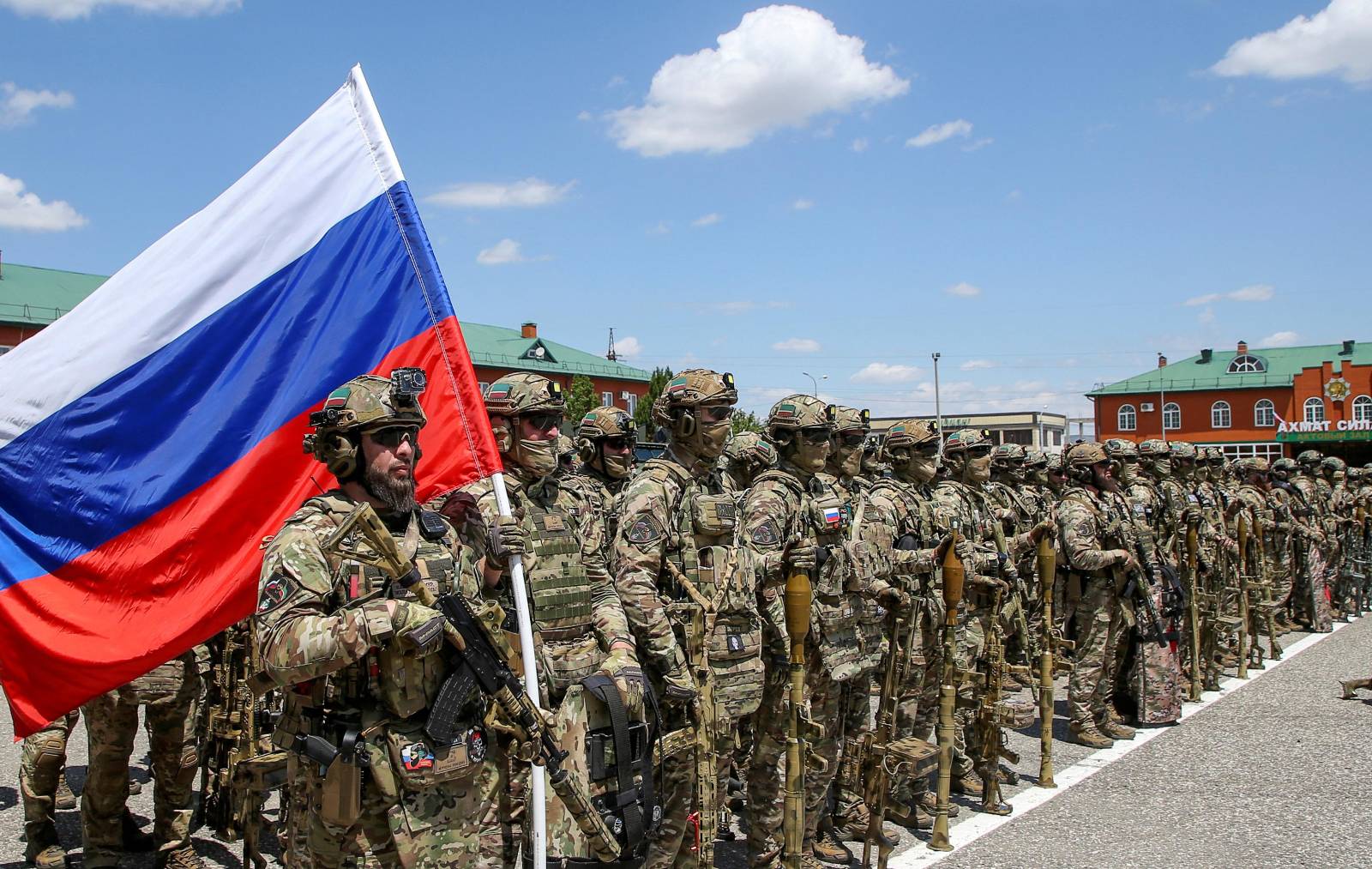
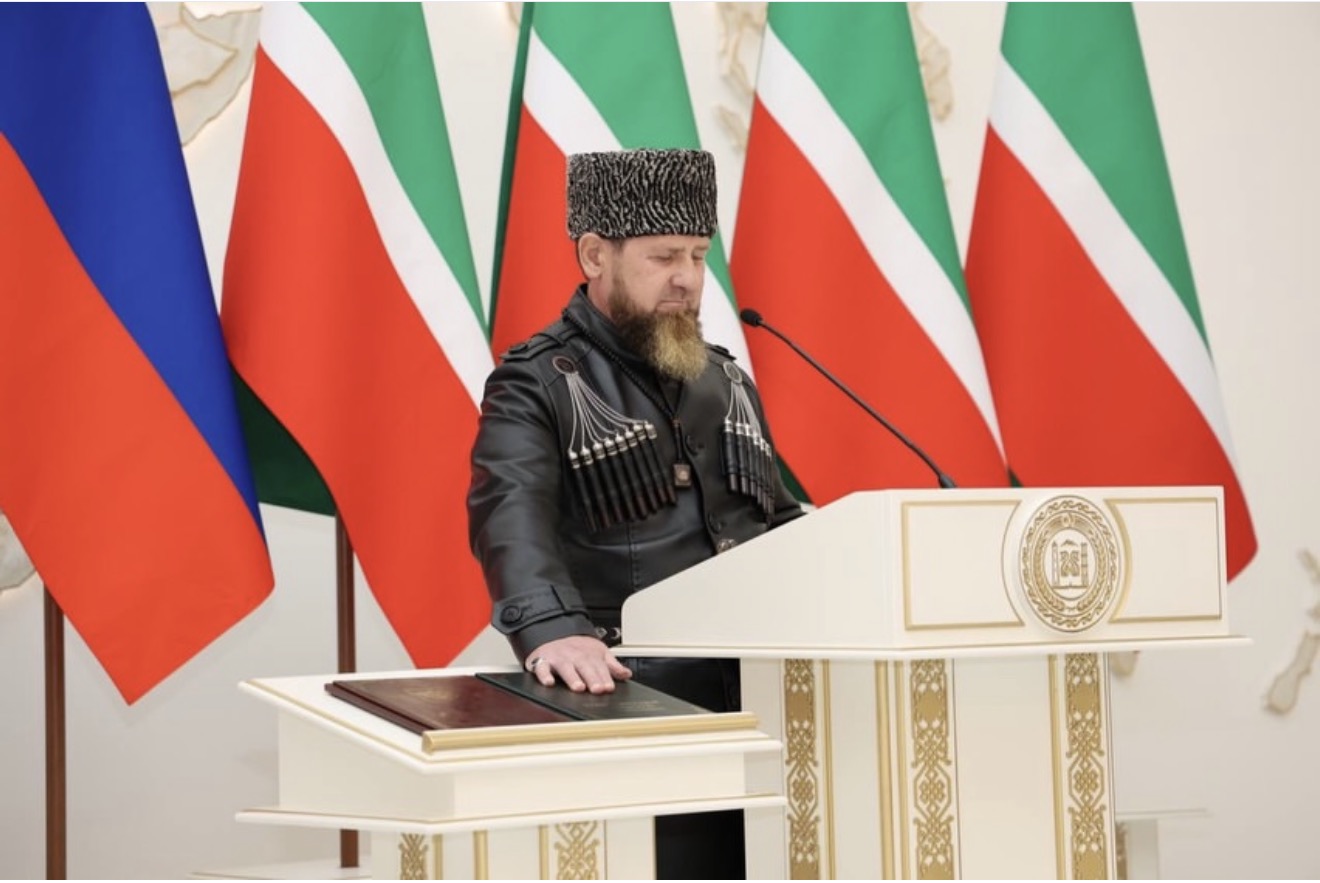
Comparable levels of participation have been reported elsewhere in the North Caucasus. Chechen leader Ramzan Kadyrov has repeatedly stated that more than 70,000 people have been deployed to the war through units of the Russian Defence Ministry, Rosgvardia, and the Akhmat special forces since February 2022. A substantial proportion of them, he said, were service members and volunteers from other parts of Russia who underwent training in Chechnya before deployment.
Demographers and political scientists interviewed by TRT Russian warn that such disproportionately high participation by the North Caucasus’ relatively small republics could have long-term demographic consequences. They argue that the deaths of large numbers of men and the prolonged absence of those of reproductive age may reshape the region’s demographic structure, reduce marriage rates, and contribute to lower birth rates. Even after the war ends, experts say, the demographic impact of today’s losses could continue to be felt for one or two generations.