Zakharova Calls Armenia’s Readiness to Accept Russians Fleeing Mobilization “Toxic Hospitality”
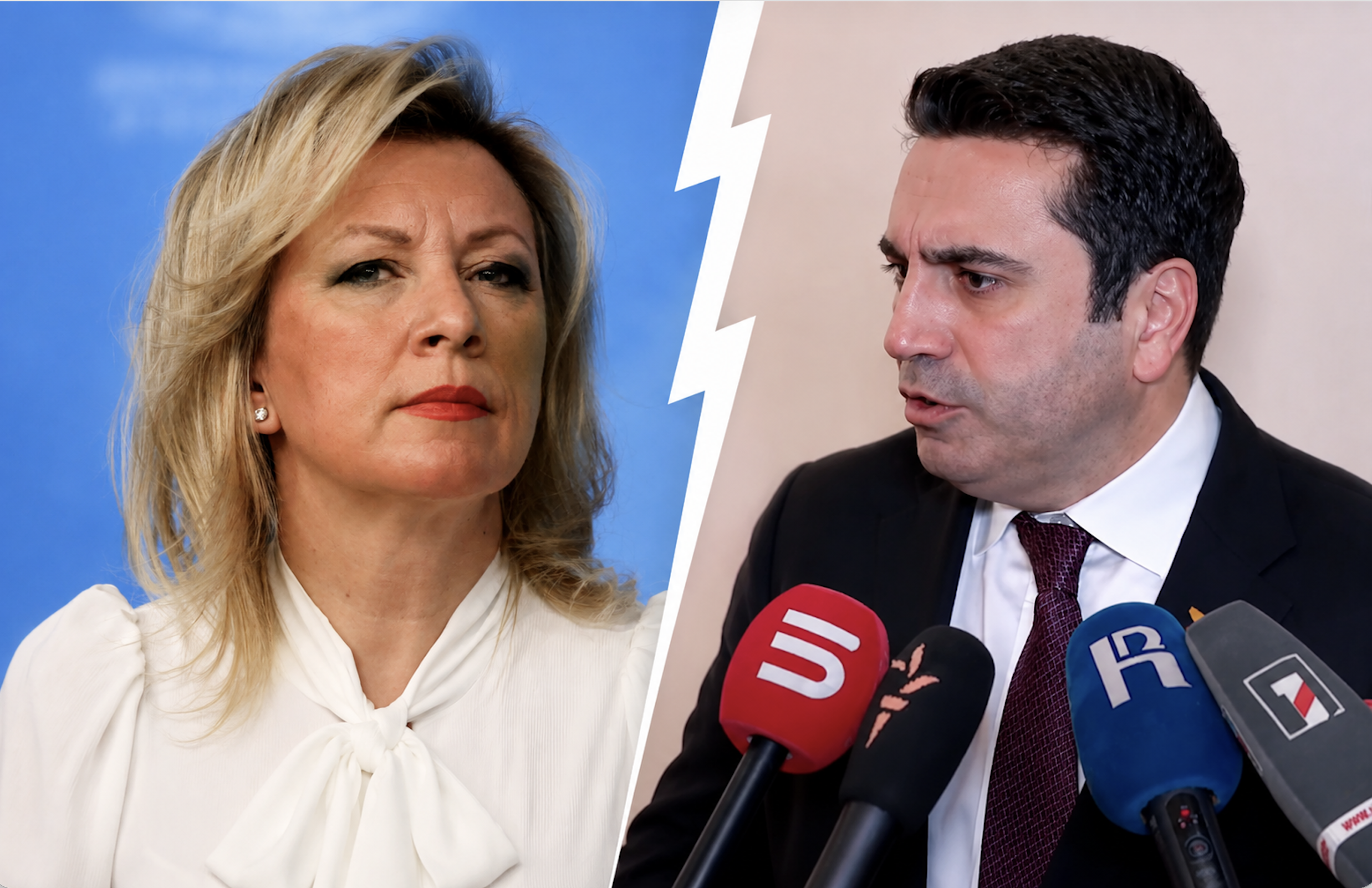
Russian Foreign Ministry spokeswoman Maria Zakharova described as “provocative” remarks by Armenian Security Council Secretary Armen Grigoryan about Yerevan’s readiness to accept Russians who may want to leave Russia in the event of a new mobilization. In her view, the Armenian official’s statement “encourages Russian citizens to engage in unlawful actions” and gives traditional Armenian hospitality a “toxic political coloring.”
Earlier, in an interview with the Dozhd television channel, Grigoryan said: “At the border, no one is going to ask anyone why they came here.” He noted that Russian citizens can enter Armenia without a foreign passport and added: “I can say only one thing to a Russian person: ‘Welcome to Armenia.’ Here, we love everyone and respect everyone.”
According to the Security Council secretary, Russians arriving in Armenia will be able to find there what they were looking for when leaving Russia, and then return. “And they will return to Russia when it is convenient for them. Armenia will not hinder them in any way, and if necessary, we will help,” Grigoryan said.
Commenting on these remarks, Zakharova said that Grigoryan had “fallen for a deliberately provocative question” which, in her assessment, drew him into “speculation about allegedly possible mobilization in our country.” The Foreign Ministry spokeswoman stressed that Russian officials have repeatedly denied such reports.
Zakharova also reproached the Armenian Security Council secretary for making his statements in an interview with a media outlet “openly hostile to Russia,” in a broadcast featuring a “journalist designated as a foreign agent.”
“We regret to note that the trend of representatives of official Yerevan making public statements that undermine bilateral cooperation with Moscow continues,” Zakharova said.
“We consider the statements by A.R. Grigoryan to be provocative. In essence, they encourage Russian citizens to engage in unlawful actions and give traditional Armenian hospitality a toxic political coloring,” the Russian Foreign Ministry spokeswoman said.
Zakharova separately reminded Grigoryan of his visit to Russia in February 2026. According to her, he “spoke at length at the time about the importance — including for Armenia — of developing Russian-Armenian relations.” In the logic of the Russian Foreign Ministry representative, the Security Council secretary’s current remarks demonstrate the inconsistency of the Armenian authorities and their desire to “please the West and the Kyiv regime.”