Journalist Elena Milashina changed her mind about going to the appeal in the Musaeva case due to safety reasons
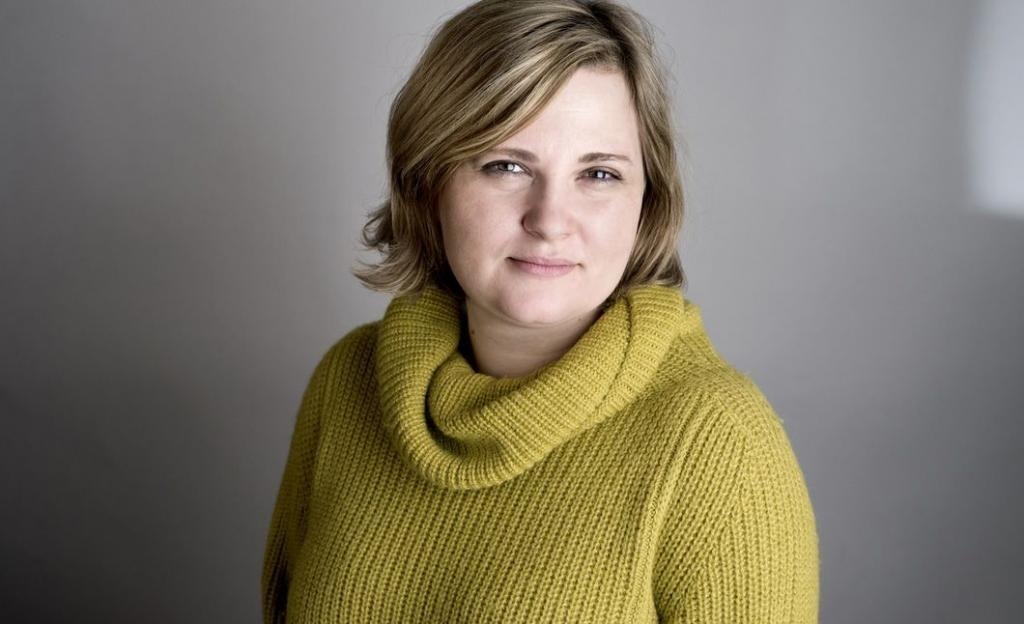
Novaya Gazeta journalist Elena Milashina, who previously announced her intention to go to Grozny to appeal the case of the mother of Chechen oppositionists Zarema Musayeva, changed her decision, the publication reports. The refusal to attend the meeting of the Supreme Court of Chechnya is due to the lack of security guarantees from the authorities of the republic.
On August 29, when information appeared on the website of the Supreme Court of Chechnya about the day and time of consideration of Zarema Musayeva’s appeal, Novaya Gazeta tried to contact the Commissioner for Human Rights under the head of Chechnya, Mansur Soltaev. We did this for only one reason: on July 4 (the day of the attack on me and lawyer Alexander Nemov, directly related to our professional activities), Soltaev said that nothing would have happened if before the trip we had approached him personally with a request to ensure our security in the “most peaceful region” of the Russian Federation,” Milashina shared in the publication.
In addition, the journalist noted that human rights activists of the “Team Against Torture”, having disseminated information about her arrival on September 7, did not ask her permission whether they could make public information concerning her safety.
In August, Team Against Torture lawyers secured a short meeting with Mansur Soltaev. When asked by an employee of the organization what kind of assistance he is ready to provide during the visit of journalist Elena Milashina to the region, the ombudsman replied: “If I’m at home, then no problem. If I’m not at home, well, I don’t know, sorry.”
Let us remind you that Elena Milashina planned to attend the sentencing of Musaeva, but on the way from the airport she and lawyer Alexander Nemov were attacked by unknown masked people. As a result of the brutal beating, the journalist received a traumatic brain injury; she was also diagnosed with up to 14 fractures of the bones of her hands and numerous soft tissue bruises. According to her, the attackers said that this was “the second warning, there will be no third,” and threatened to kill her if she came again.