82 years ago, the Chechens and Ingush were forcibly deported

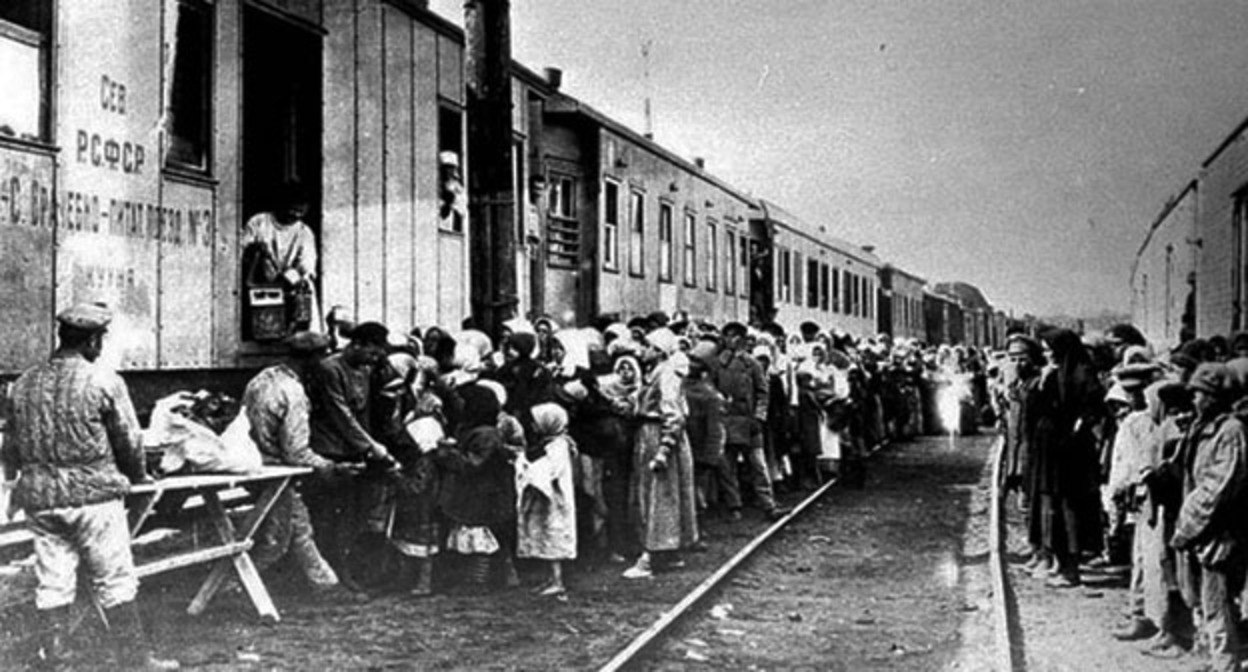
February 23, 1944, marked a dark date in the history of two peoples of the North Caucasus: on the orders of Joseph Stalin, the total deportation of the Chechens and Ingush began. Half a million people were forcibly uprooted from their homes and sent into exile in Central Asia and Siberia.

This act claimed the lives of more than a third of those deported. The Soviet government not only deprived them of their homes but also confiscated all their property and transferred parts of the Chechen-Ingush Autonomous Soviet Socialist Republic to neighboring regions. These territories, even after the return of the two peoples from exile and the restoration of the republic, were not returned and remained a source of interethnic tension for many decades. In 1992, this led to a bloody armed conflict in the Ingush Prigorodny District, which was annexed by North Ossetia.

During and during the first years of the deportation, between 20 and 35% of the population of the Chechen-Ingush ASSR, which was subsequently abolished, perished, according to various estimates. The high mortality rate was due to harsh climate conditions, grueling labor, and outbreaks of disease in the special settlements, beyond which travel was prohibited for more than 3 kilometers and which, in essence, became concentration camps.

Only in 1957 did the Soviet government recognize the illegality of the deportations, and the Chechen-Ingush ASSR was restored. This tragedy was just one of many similar ones experienced in the USSR: Koreans, Germans, Ingrian Finns, Karachays, Kalmyks, Balkars, Crimean Tatars, and Meskhetian Turks were also subjected to forced resettlement.
Последние новости
Aliyev: Armenia Must Reveal the Fates of Missing Azerbaijanis
Politics
Aliyev: Armenia Must Reveal the Fates of Missing Azerbaijanis
7 October 2026

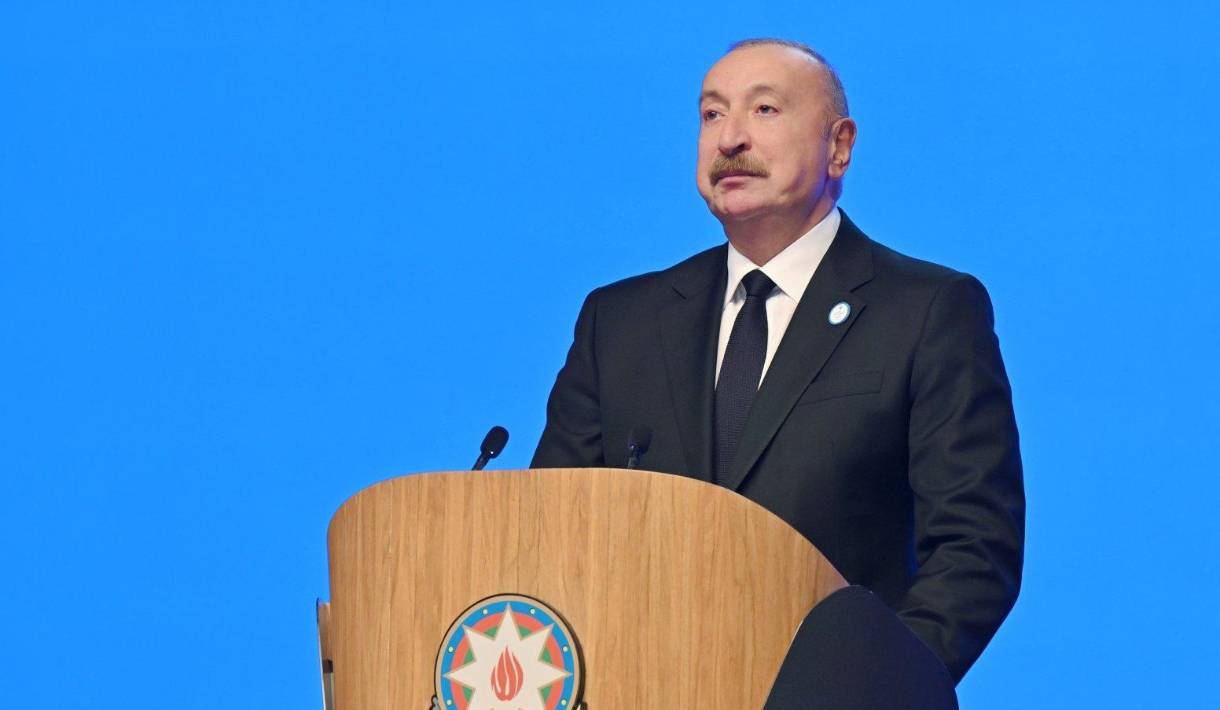
Azerbaijani President Ilham Aliyev considers determining the fates of missing persons to be one of the state's most important issues. He stated this in an address to participants of the 4th International Conference on Missing Persons, currently taking place in Baku.

Saakashvili calls for closing Georgia's border with Russia over plague reports
Politics
Saakashvili calls for closing Georgia's border with Russia over plague reports
7 October 2026

Former Georgian President Mikheil Saakashvili has urged the country's authorities to close the border with Russia and ban Russian citizens from entering. He outlined his position on Facebook from custody, commenting on reports regarding the death of an employee at the Irkutsk Anti-Plague Institute.

Keys to 52 new homes handed to Dagestan flood victims
Society
Keys to 52 new homes handed to Dagestan flood victims
6 October 2026

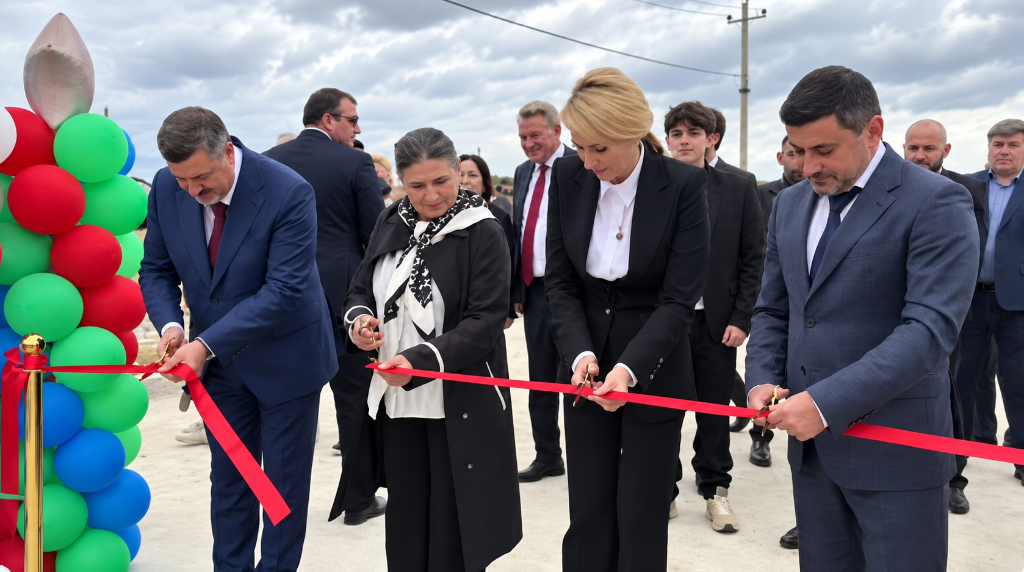
On October 6, in the settlement of Mamedkala in Dagestan’s Derbent District, keys to 52 new homes were handed to families who had lost their housing due to spring flooding. The ceremony was attended by Yana Lantratova, Russia’s Commissioner for Human Rights, and Fedor Shchukin, the Acting Head of the Republic.

Sixteen imprisoned female journalists from Russia and Ukraine receive Politkovskaya Award
Human rights
Sixteen imprisoned female journalists from Russia and Ukraine receive Politkovskaya Award
6 October 2026

The Anna Politkovskaya Award has this year been given to 11 Russian and five Ukrainian female journalists who are imprisoned in Russia and in the occupied territories of Ukraine.


According to the award’s founder, the international organisation RAW in WAR (Reach All Women in WAR), the nominations committee praised the “courage and integrity” of the laureates, who “risk their freedom and even their lives to report on the war and speak out against human rights violations, war crimes and the escalating repression of journalists, human rights defenders and anti-war activists in Russia”.