Abdulmumin Gadzhiev called the criminal case against him a blatant lawlessness and falsification

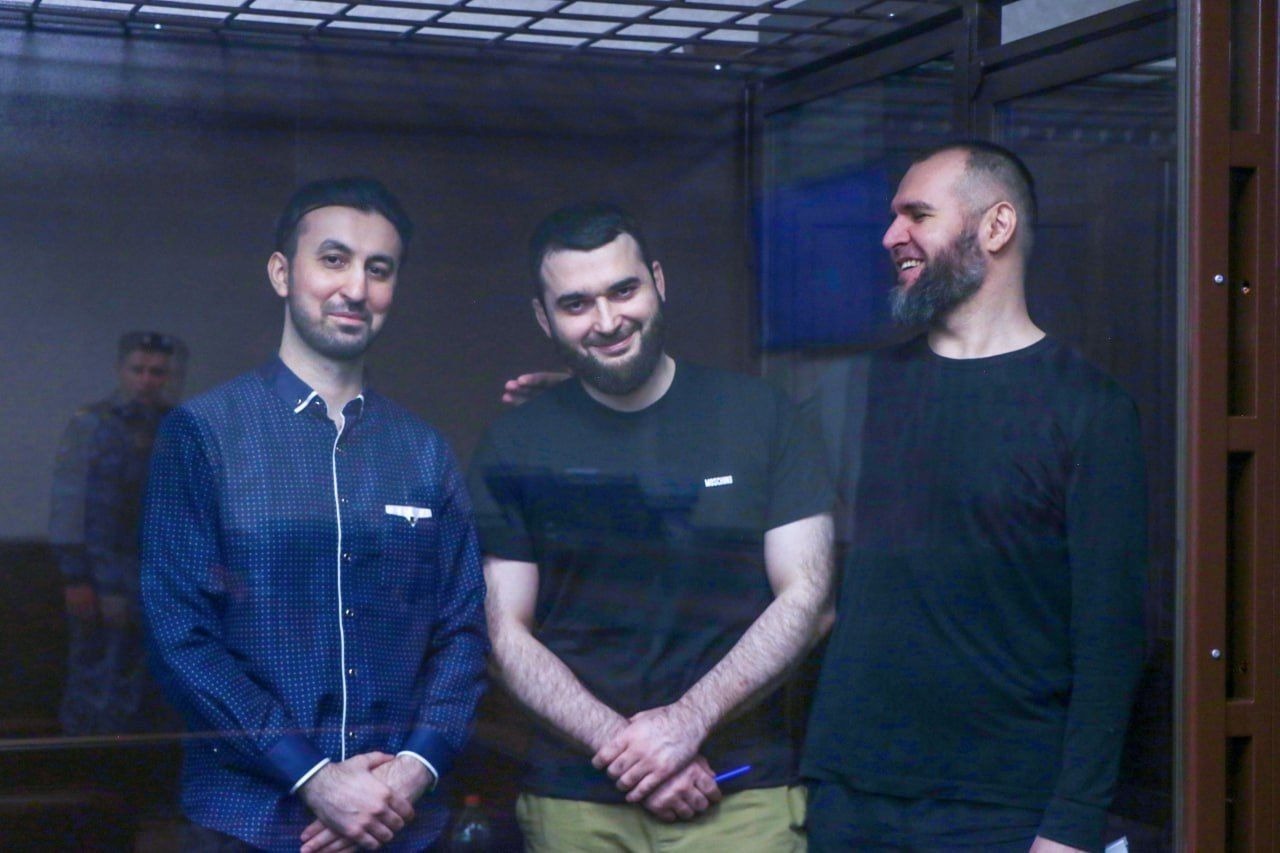
In the Southern District Military Court in Rostov today, the verdict was to be announced on the editor of the Dagestan publication Chernovik, Abdulmumin Gadzhiev, and two other defendants in the case, Kemal Tambiev and Abubakar Rizvanov. They are accused of financing terrorism. Earlier, the prosecutor asked the defendants for 19 years in prison. The verdict will be announced on September 12.

“Our trial has become a household name and is perceived in society as an example of blatant lawlessness and falsification of a criminal case. This case was a fake from start to finish,” Gadzhiev, referred to by the Human Rights Center “Memorial,” said in his last word.

According to Gadzhiev, 40 volumes of waste paper in the form of a “criminal case” are not consistent logically and are full of contradictions and errors. “We will give full publicity to the work of the investigation and conduct our own investigation into the investigation conducted by investigator Nadir Televov. Whatever sentence the Rostov military court pronounces, we will not leave a single person in doubt about our innocence,” the journalist said.
In his opinion, the criminal case against him and other citizens is the “philosophy” of the country’s entire law enforcement system, which was perfectly described by Leo Tolstoy in the novel “Sunday” and which has not changed at all in 150 years.

During the proceedings, three linguistic examinations were made. None of them found anything illegal in the journalist's articles. The examinations did not find calls for extremism or terrorism, but did reveal propaganda of education, development and interest in modern technologies.
Последние новости
Disappearances, raids and torture: what Anna Politkovskaya wrote about the second Russian-Chechen war
Chronicle of Wars and Crimes
Disappearances, raids and torture: what Anna Politkovskaya wrote about the second Russian-Chechen war
7 October 2026

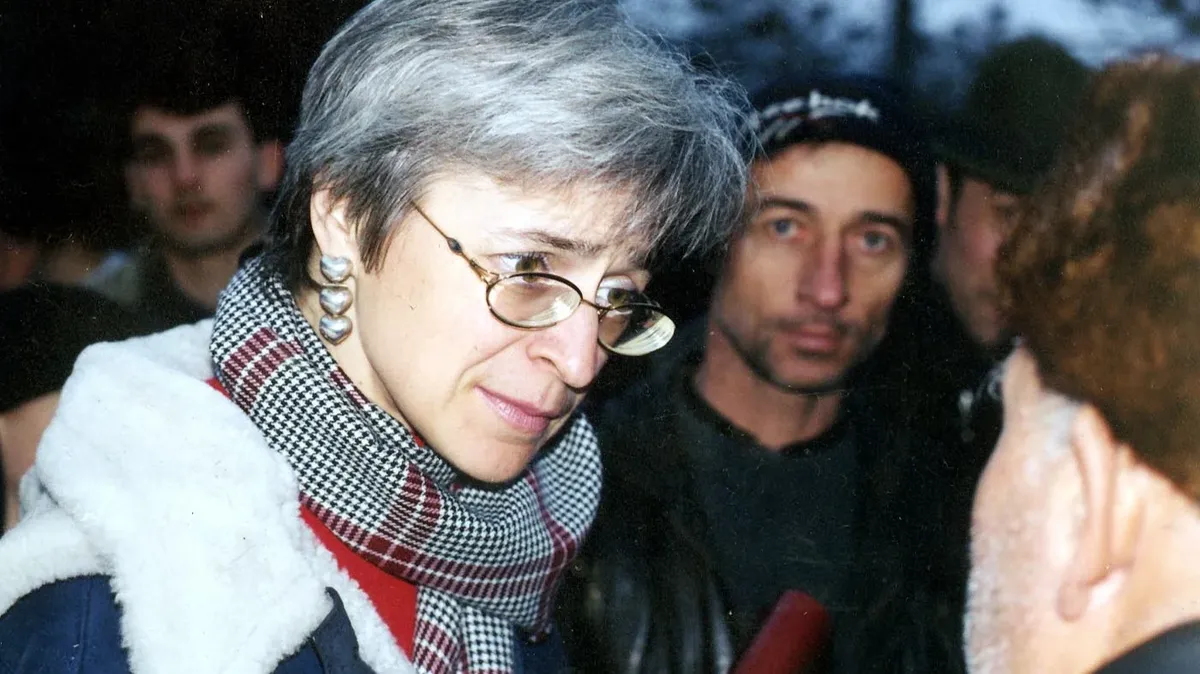
Anna Politkovskaya was killed on 7 October 2006. Her articles, written from behind Chechnya’s blood-soaked information wall and barbed wire, became a voice of truth — the truth about what residents of the republic were experiencing as they became a convenient and powerless collective victim of the global “fight against international terrorism”.

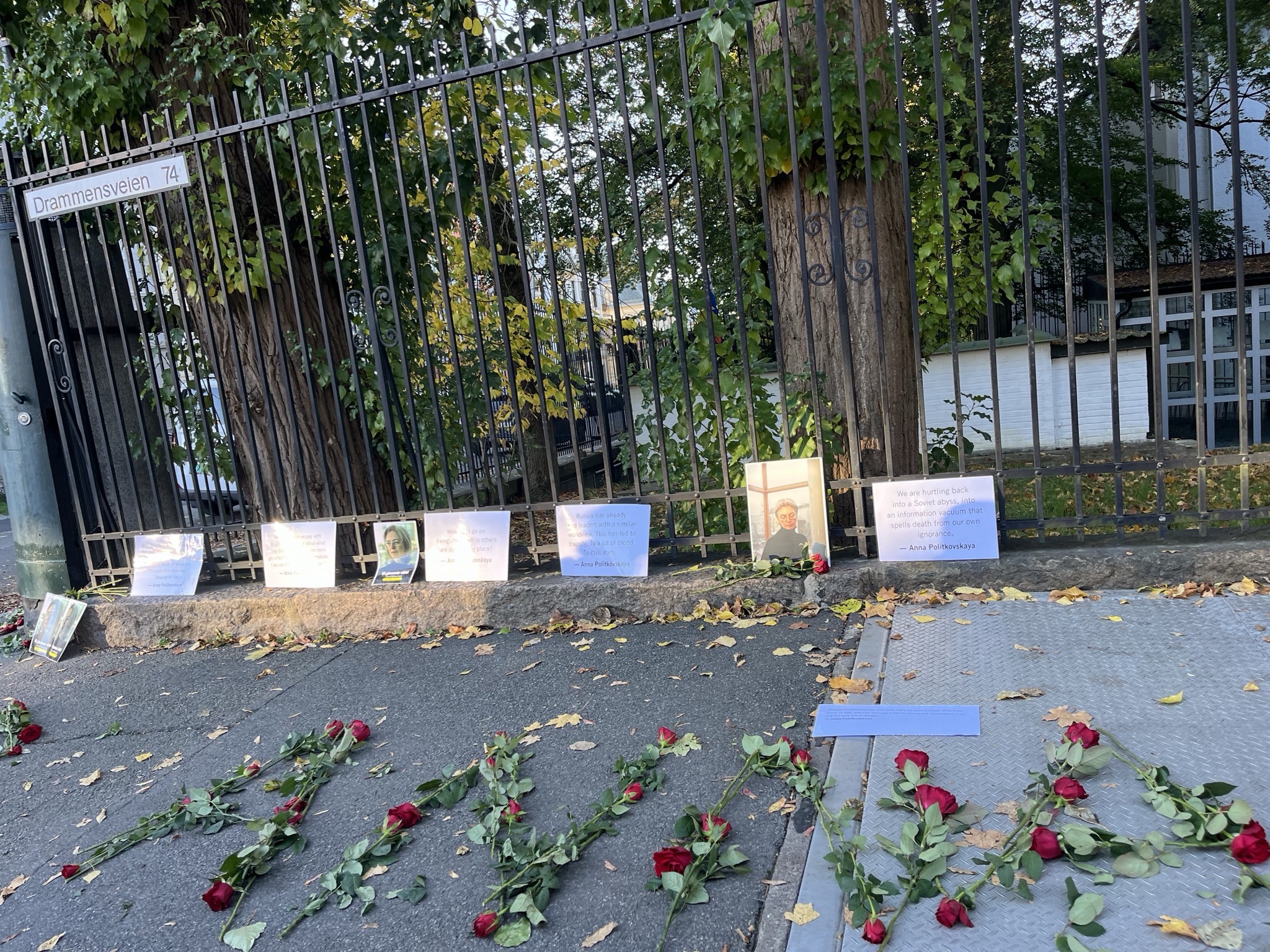
Anna Politkovskaya’s name laid out in flowers in Oslo
Human rights
Anna Politkovskaya’s name laid out in flowers in Oslo
7 October 2026

Memorial events for Anna Politkovskaya are taking place in countries around the world today, marking 20 years since the murder of the journalist, who spent many years reporting on the war in Chechnya and human rights violations.


European Parliament Demands Withdrawal of Lawsuit to Ban Opposition Parties in Georgia
Politics
European Parliament Demands Withdrawal of Lawsuit to Ban Opposition Parties in Georgia
7 October 2026

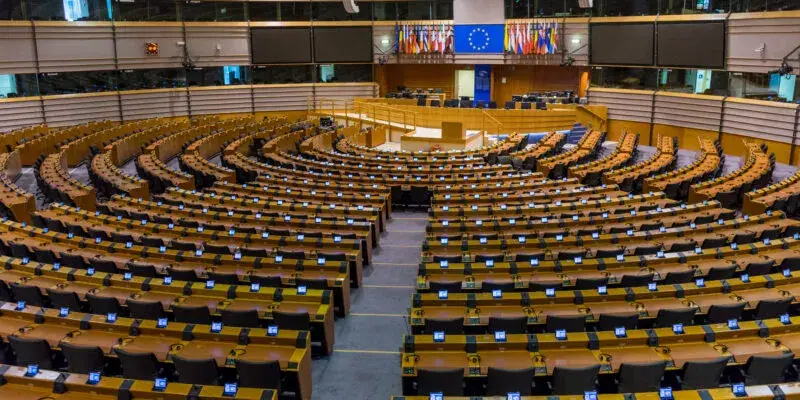
In a draft resolution, the European Parliament has called on Georgian authorities to immediately withdraw the constitutional lawsuit seeking to ban opposition parties. The document is set for a vote on October 8, following a debate on the country's political situation taking place in Strasbourg on October 7.

On Putin’s birthday, Kadyrov speaks of the
Politics
On Putin’s birthday, Kadyrov speaks of the "special significance" of his name for Chechnya
7 October 2026

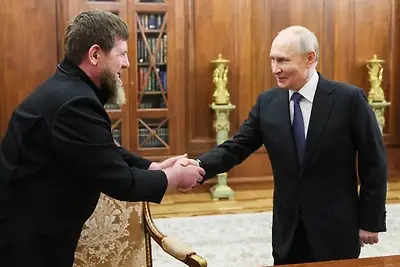
Chechen leader Ramzan Kadyrov congratulated Vladimir Putin on his birthday and stated that the Russian president's name holds "special significance" for the Chechen people. According to Kadyrov, the region will "never forget" the support Putin extended to his father—Chechnya’s first president, Akhmat-Khadzhi Kadyrov—"at a time when the future of the Chechen Republic depended on the decisions being made."