Azerbaijan Reacts to Moscow's Criticism of "Abolition of Russian Culture"

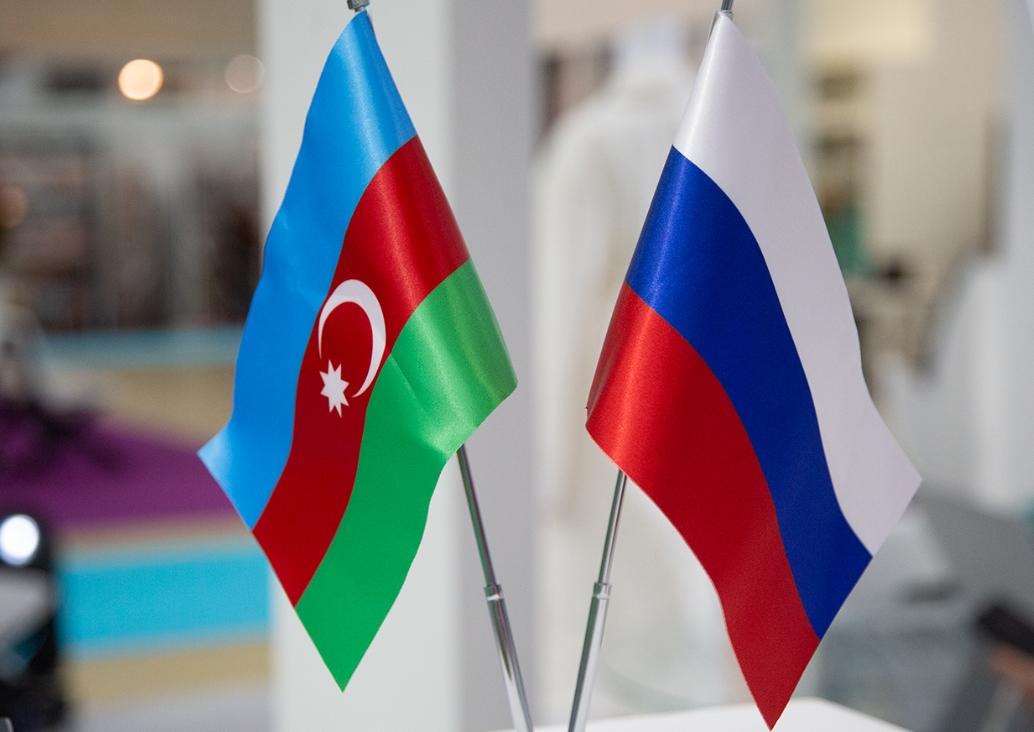
Baku has reacted sharply to the statements of the Russian President's Special Representative for International Cultural Cooperation Mikhail Shvydkoy, which followed the dismantling of the bust of Ivan Aivazovsky in Khankendi. The head of the press service of the Azerbaijani Foreign Ministry, Ayhan Hajizade, called Shvydkoy's statements part of a "targeted anti-Azerbaijani campaign."

Hajizade stressed that the installation of a bust of Aivazovsky, an artist of Armenian origin, by Russian peacekeepers on the territory of Azerbaijan without his consent was illegal. He called the dismantling of the monument "a logical, fair and legal step."

Rejecting Shvydkoy's accusations of a "war on monuments" and "abolition of Russian culture" in Azerbaijan, Hajizade noted that the country has a Russian theater and schools with Russian as the language of instruction, and Russian-language publications are published, while Russia lacks similar institutions and publications in the Azerbaijani language.

Baku was particularly displeased with the publication of the Russian TASS agency, which used the name "Stepanakert" instead of "Khankendi". The Azerbaijani Foreign Ministry considered this an insult and recalled that the city was renamed by the Bolsheviks in honor of Stepan Shaumyan, who was involved in the mass murder of Azerbaijanis. Baku demanded that Russia stop distorting Azerbaijani toponyms, reserving the right to use the historical names of Russian settlements.

In conclusion, the Azerbaijani Foreign Ministry demanded that TASS officially apologize and correct the publication, warning of possible measures against the agency's activities in Azerbaijan in the event of failure to comply with the demands. After the protest, TASS replaced "Stepanakert" in the headline with "Nagorno-Karabakh".
Последние новости
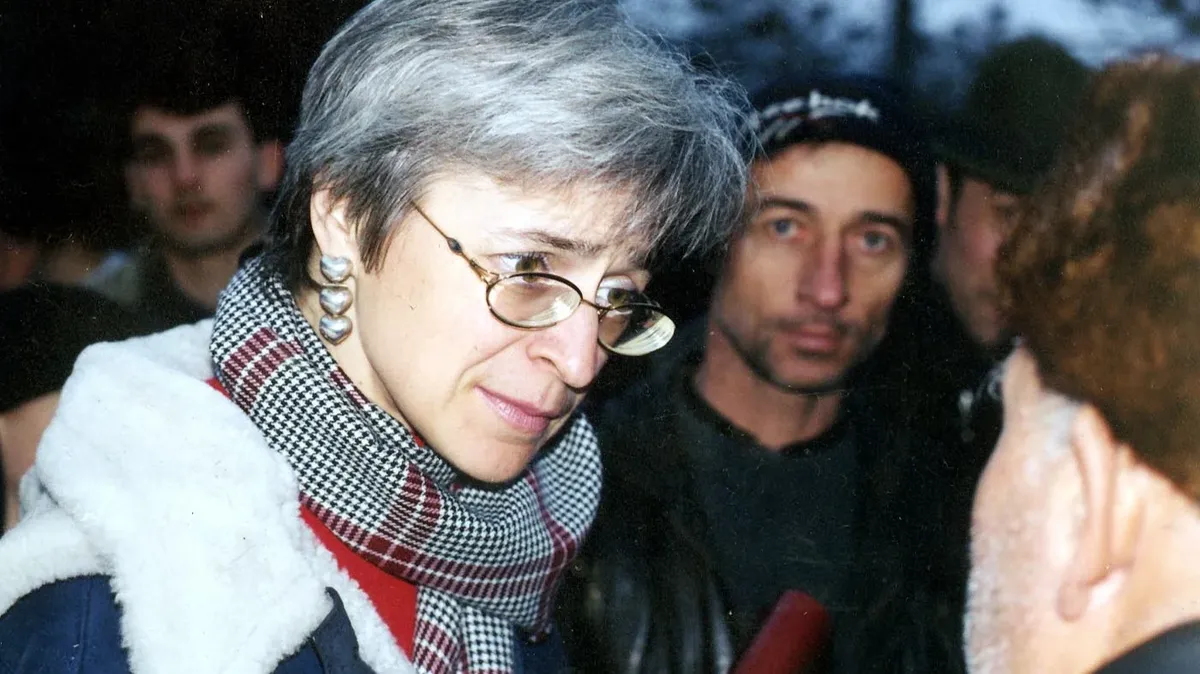
Disappearances, raids and torture: what Anna Politkovskaya wrote about the second Russian-Chechen war
Chronicle of Wars and Crimes
Disappearances, raids and torture: what Anna Politkovskaya wrote about the second Russian-Chechen war
7 October 2026

Anna Politkovskaya was killed on 7 October 2006. Her articles, written from behind Chechnya’s blood-soaked information wall and barbed wire, became a voice of truth — the truth about what residents of the republic were experiencing as they became a convenient and powerless collective victim of the global “fight against international terrorism”.

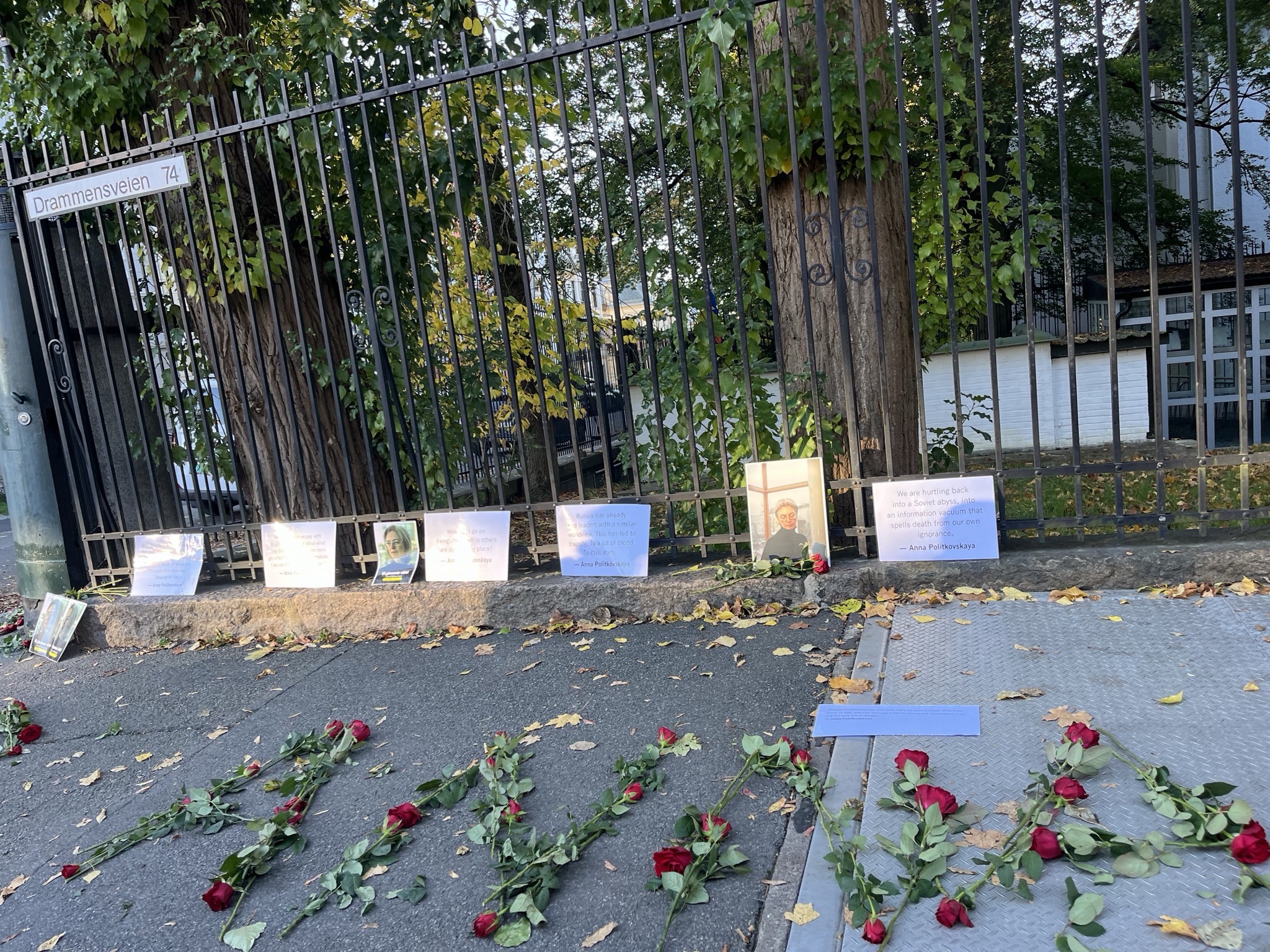
Anna Politkovskaya’s name laid out in flowers in Oslo
Human rights
Anna Politkovskaya’s name laid out in flowers in Oslo
7 October 2026

Memorial events for Anna Politkovskaya are taking place in countries around the world today, marking 20 years since the murder of the journalist, who spent many years reporting on the war in Chechnya and human rights violations.


European Parliament Demands Withdrawal of Lawsuit to Ban Opposition Parties in Georgia
Politics
European Parliament Demands Withdrawal of Lawsuit to Ban Opposition Parties in Georgia
7 October 2026

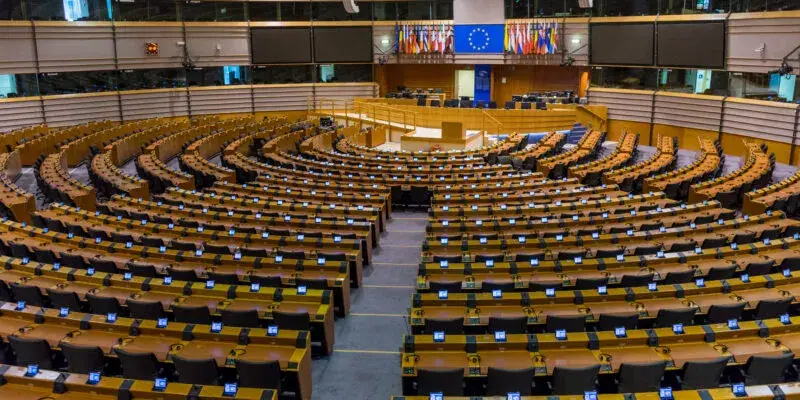
In a draft resolution, the European Parliament has called on Georgian authorities to immediately withdraw the constitutional lawsuit seeking to ban opposition parties. The document is set for a vote on October 8, following a debate on the country's political situation taking place in Strasbourg on October 7.

On Putin’s birthday, Kadyrov speaks of the
Politics
On Putin’s birthday, Kadyrov speaks of the "special significance" of his name for Chechnya
7 October 2026

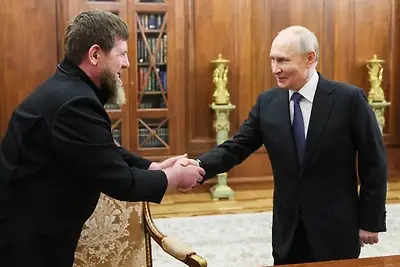
Chechen leader Ramzan Kadyrov congratulated Vladimir Putin on his birthday and stated that the Russian president's name holds "special significance" for the Chechen people. According to Kadyrov, the region will "never forget" the support Putin extended to his father—Chechnya’s first president, Akhmat-Khadzhi Kadyrov—"at a time when the future of the Chechen Republic depended on the decisions being made."