Azerbaijan criticized France for "provocative statements" about Nagorno-Karabakh

The Azerbaijani Foreign Ministry rejected statements made by French Foreign Minister Jean-Noël Barrot in the country's parliament. Azerbaijani Foreign Ministry spokesman Ayhan Hajizade expressed unacceptability of the French minister's use of the term "Nagorno-Karabakh" to refer to the Karabakh region, which, as emphasized, is an integral part of Azerbaijan's sovereign territory.

"While the preconditions for lasting peace in this region are being created, we strongly condemn the provocative statements by the French side, which call into question Azerbaijan's sovereignty over its lands and the security of its cultural and spiritual heritage," Hajizade stated.

He noted that the French Foreign Minister, ignoring the scale of the destruction of hundreds of mosques and cultural heritage sites in Azerbaijan during the Armenian occupation, focuses on the demolition of individual sites, which, in his view, demonstrates double standards.

The Foreign Ministry representative also described France's calls for a UNESCO assessment mission to the Karabakh region as a distortion of reality. He emphasized that Azerbaijan has repeatedly advocated for such missions, but their implementation has encountered obstacles from Armenia and France. Such statements by the French Minister, according to Hajizade, do not contribute to the establishment of a stable and long-term peace in the South Caucasus.

As a reminder, in April, Azerbaijan facilitated the evacuation from Iran of French citizens Cécile Coler and Jacques Paris, previously convicted of espionage. Baku provided transit assistance, ensuring safe passage through its territory. French Foreign Minister Jean-Noël Barrot personally thanked his Azerbaijani counterpart, Jeyhun Bayramov, for his assistance.

Последние новости
Disappearances, raids and torture: what Anna Politkovskaya wrote about the second Russian-Chechen war
Chronicle of Wars and Crimes
Disappearances, raids and torture: what Anna Politkovskaya wrote about the second Russian-Chechen war
7 October 2026

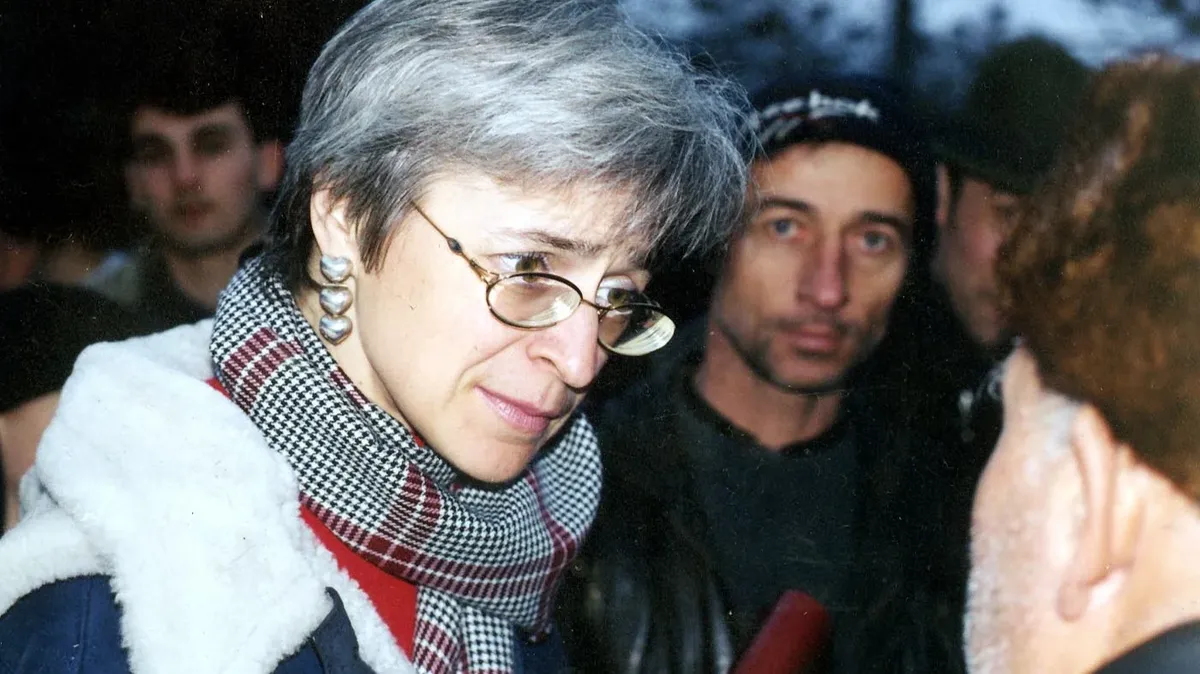
Anna Politkovskaya was killed on 7 October 2006. Her articles, written from behind Chechnya’s blood-soaked information wall and barbed wire, became a voice of truth — the truth about what residents of the republic were experiencing as they became a convenient and powerless collective victim of the global “fight against international terrorism”.

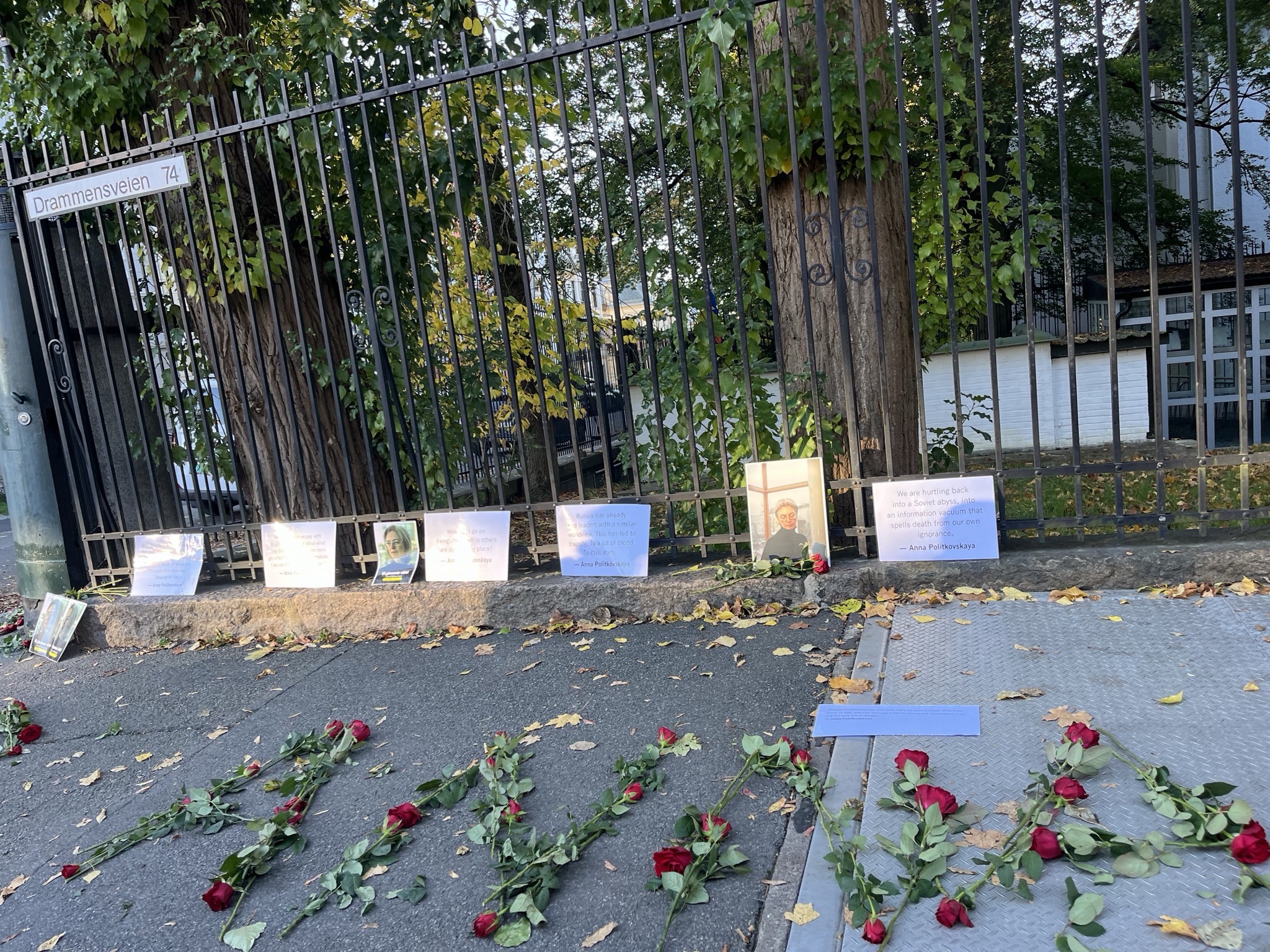
Anna Politkovskaya’s name laid out in flowers in Oslo
Human rights
Anna Politkovskaya’s name laid out in flowers in Oslo
7 October 2026

Memorial events for Anna Politkovskaya are taking place in countries around the world today, marking 20 years since the murder of the journalist, who spent many years reporting on the war in Chechnya and human rights violations.


European Parliament Demands Withdrawal of Lawsuit to Ban Opposition Parties in Georgia
Politics
European Parliament Demands Withdrawal of Lawsuit to Ban Opposition Parties in Georgia
7 October 2026

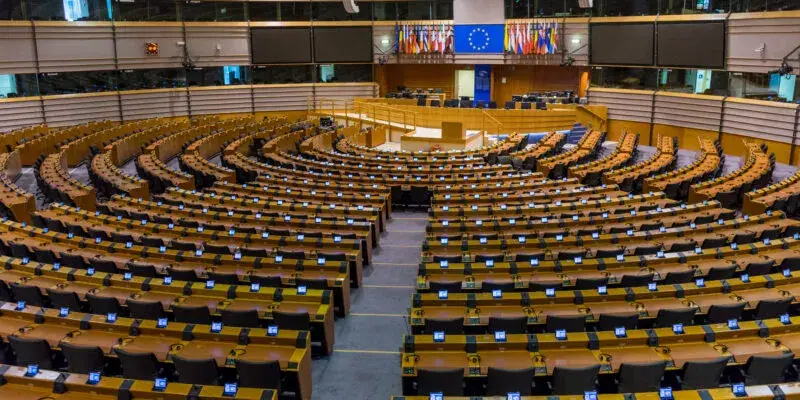
In a draft resolution, the European Parliament has called on Georgian authorities to immediately withdraw the constitutional lawsuit seeking to ban opposition parties. The document is set for a vote on October 8, following a debate on the country's political situation taking place in Strasbourg on October 7.

On Putin’s birthday, Kadyrov speaks of the
Politics
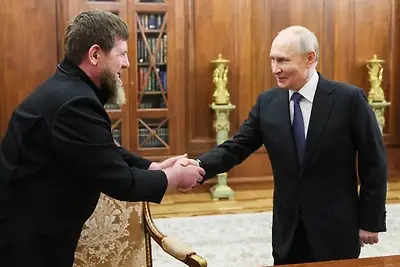
On Putin’s birthday, Kadyrov speaks of the "special significance" of his name for Chechnya
7 October 2026

Chechen leader Ramzan Kadyrov congratulated Vladimir Putin on his birthday and stated that the Russian president's name holds "special significance" for the Chechen people. According to Kadyrov, the region will "never forget" the support Putin extended to his father—Chechnya’s first president, Akhmat-Khadzhi Kadyrov—"at a time when the future of the Chechen Republic depended on the decisions being made."