The BBC has accused Georgian authorities of using chemical weapons against protesters; the State Security Service has launched an investigation
The British Broadcasting Corporation (BBC) has published a report alleging that Georgian authorities used chemical weapons during the suppression of pro-European protests in Tbilisi in 2024. The chemical weapon in question is bromobenzyl cyanide, a chemical warfare agent dating back to World War I, also known as "kamit."
The investigation is based on testimonies from demonstrators protesting the government's decision to suspend the country's European integration process: they complained of "scalding water," as well as shortness of breath, coughing, and vomiting that lasted for weeks. After speaking with chemical weapons experts, Georgian special forces, and medical professionals, the journalists concluded that the aforementioned substance was used.
"Kamite was used by the French army against Germany on the Western Front during World War I." There is little documentary evidence of the subsequent use of this substance; it is believed to have been phased out in the 1930s due to concerns about its long-term effects. CS gas, commonly referred to as 'tear gas,' was used instead," the BBC reported.
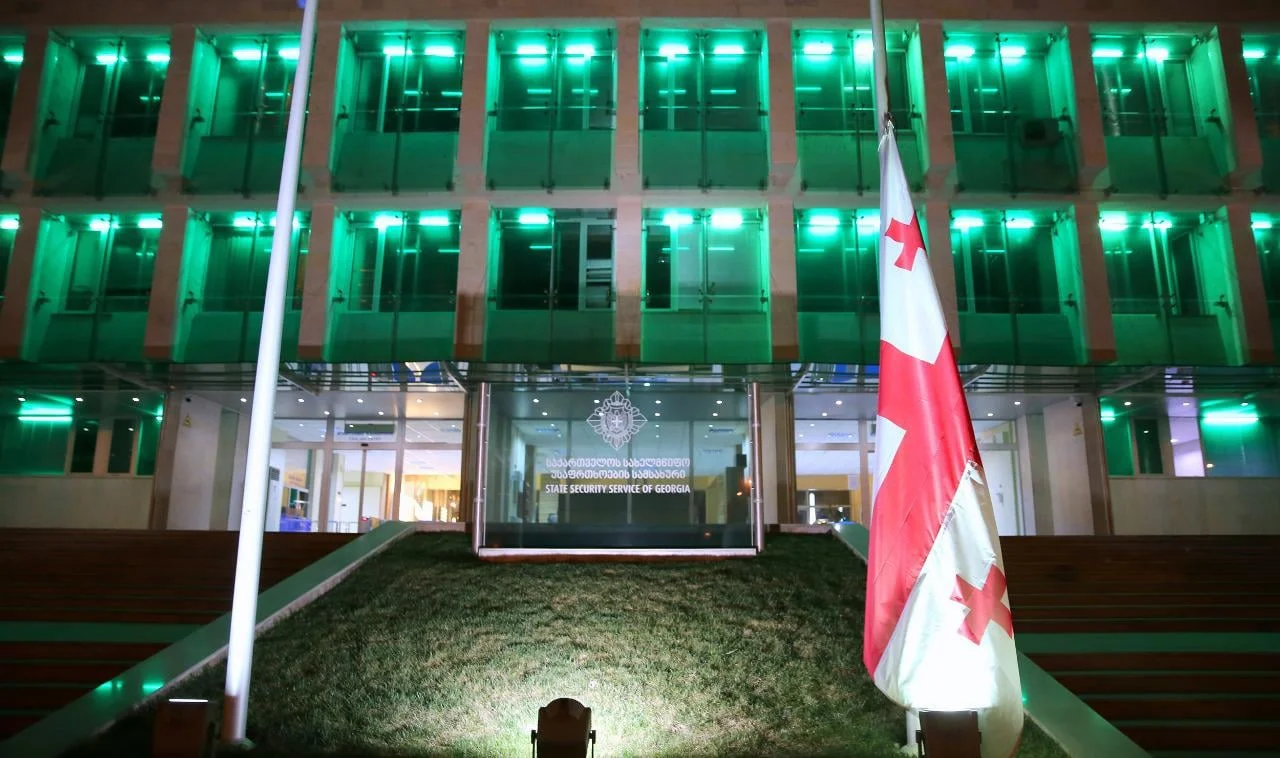
Georgian authorities called the investigation's findings "absurd," emphasizing that police acted lawfully in response to "illegal actions by rampaging criminals." The ruling party announced it would initiate legal proceedings against the BBC in international courts. Georgian Dream claims the accusations against the government are based on the stories of interested parties and have no basis in reality. In response to the public accusations, the State Security Service of Georgia has launched an investigation under two articles: Article 333 of the Criminal Code (abuse of office) and Article 319 (assistance to foreign organizations in hostile activities).
Georgian Parliament Speaker Shalva Papuashvili interpreted the incident as a "hybrid warfare tactic" using the air force as a weapon. He said that "the story revealed who is working against Georgia."
"This is also a useful process because it completely exposes everyone—the agents and those who give them assignments. Today, we saw those working against Georgia—by name, by last name, and by face.
This clearly demonstrated that this is a hybrid warfare tactic being used against Georgia, and this story and the falsehoods it contained serve this purpose," Papuashvili stated.