The number of detainees involved in the storming of the presidential palace in Georgia has reached 46, with them being taken into custody one by one

The number of people detained in Georgia in connection with the violence during the protest that took place in Tbilisi on the evening of October 4 is rapidly growing. Forty-six detainees are charged with attempted seizure of a strategic and special-importance facility by a group of individuals and participation in group violence. The relevant articles of the Criminal Code of Georgia carry penalties of up to six years in prison.

Avtandil Surmanidze, a veteran of the Ukrainian Armed Forces, is among those detained. Several others are wanted.

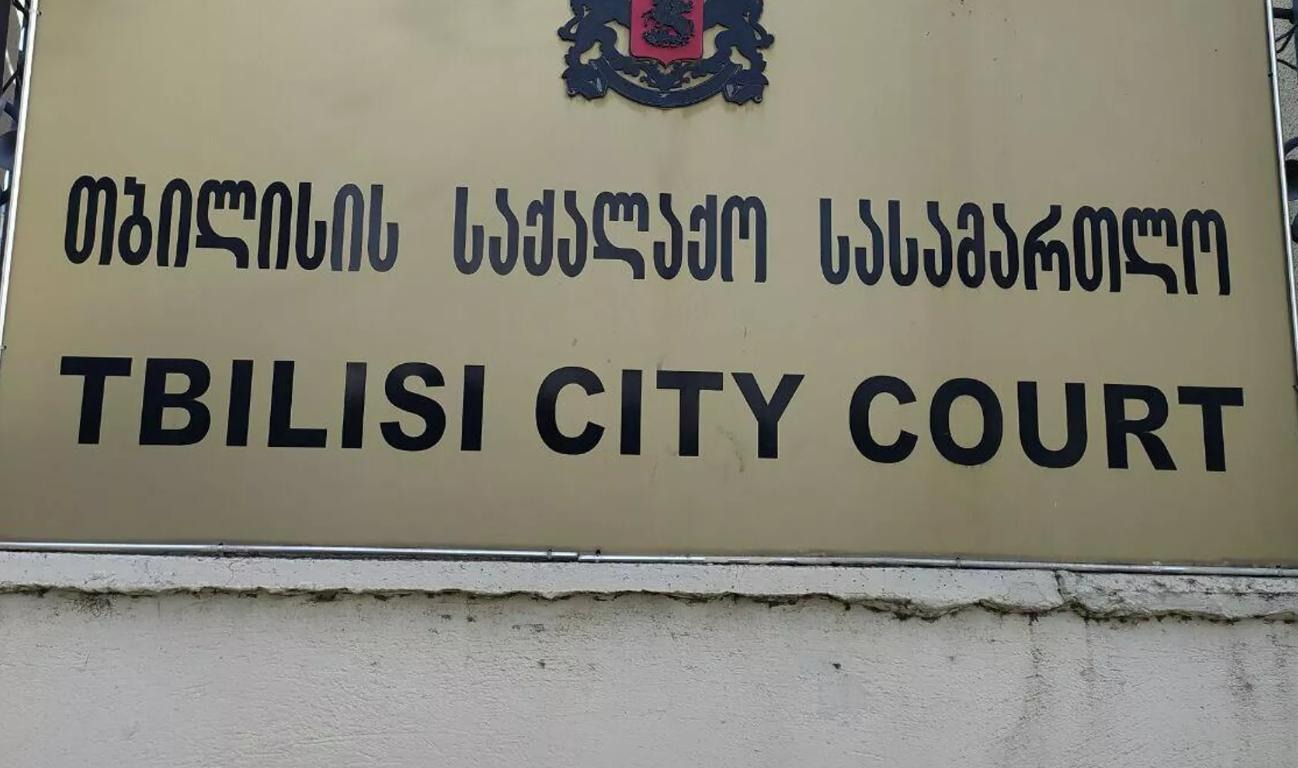
On October 10, local media reported that seven detained demonstrators had been remanded in custody. Four more joined them today.

The court set bail for Ia Darakhvelidze, another participant in the October 4 protest, at 10,000 lari. The more lenient pretrial detention measure is due to the defendant's health issues.

The state prosecution is demanding the strictest pretrial detention measure for each of the defendants in this case. According to the prosecutor, there is a risk that the detainees could abscond, commit another crime, or destroy evidence.

The defense, for its part, requested that the defendants be released without pretrial detention, offering bail of 5,000 to 7,000 lari as an alternative. The defense insists that there is no evidence in the case.

As a reminder, the municipal elections, won by candidates from the ruling Georgian Dream party, took place amid mass protests. The situation became particularly tense in the evening, when protesters attempted to storm the presidential palace. Local media reported that water cannons and tear gas were used to disperse the protesters.
Последние новости
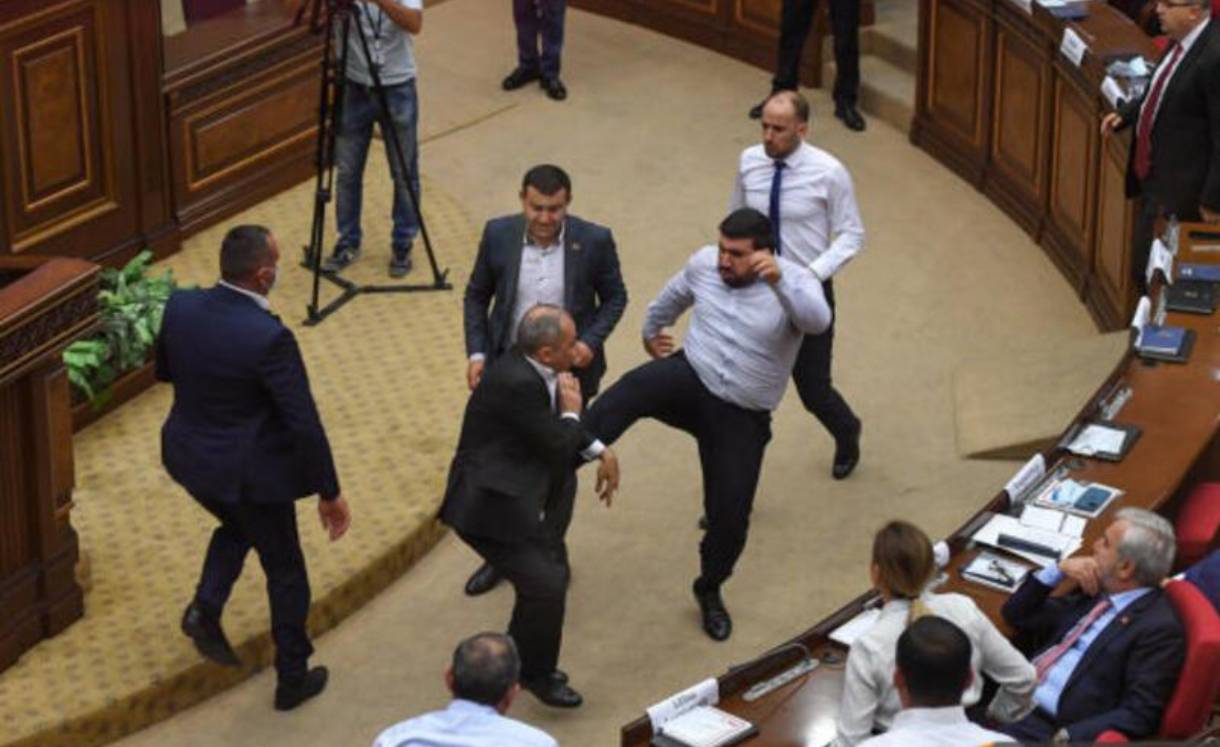
Opposition protest, resignation, and Pashinyan’s return: Armenia’s new parliament begins work
Politics
Opposition protest, resignation, and Pashinyan’s return: Armenia’s new parliament begins work
2 August 2026

The inaugural session of the ninth convocation of Armenia’s National Assembly took place in Yerevan. The new parliament began its work with a political protest: during the swearing-in ceremony, opposition representatives refused to stand or recite the oath, whereas deputies from the ruling party stood while doing so. That same day, Nikol Pashinyan’s government resigned, in accordance with the Constitution.

North Ossetian Police Launch Inquiry Into Threats Against Women Linked to Telegram Channel
Society
North Ossetian Police Launch Inquiry Into Threats Against Women Linked to Telegram Channel
1 August 2026

Police in Russia's North Ossetia have launched an inquiry following a campaign of online harassment targeting women through the Telegram channel Kavkazskaya Obshchina ("Caucasian Community"). The channel's administrators published women's personal information, insulted them and issued threats of violence over behaviour they claimed violated Caucasian traditions. 

Human Rights Advocates Question Investigators' Claims Linking Batalkhadzhins to the Caucasus Emirate
News
Human Rights Advocates Question Investigators' Claims Linking Batalkhadzhins to the Caucasus Emirate
1 August 2026

Russian law enforcement agencies have claimed that members of the Batalkhadzhin Sufi community were linked to the Caucasus Emirate*, a militant Islamist organisation. Human rights advocates, however, have questioned the allegations, noting that the group effectively ceased to exist more than a decade ago and that publicly available case materials contain little evidence of specific acts of support for militants.

Threat of Muslim Alkhazov's Deportation From Germany Raises Fresh Concerns Over the Status of Chechen Asylum Seekers in Europe
Human rights
Threat of Muslim Alkhazov's Deportation From Germany Raises Fresh Concerns Over the Status of Chechen Asylum Seekers in Europe
1 August 2026

Germany's decision to deport Chechen-born Muslim Alkhazov despite claims by his legal team that his family has been persecuted has sparked renewed concern among Chechen human rights advocates and members of the diaspora across Europe. They argue that the case could signal an emerging shift in how European authorities assess asylum claims filed by people from Chechnya.