European Commissioner warns of additional measures against Tbilisi
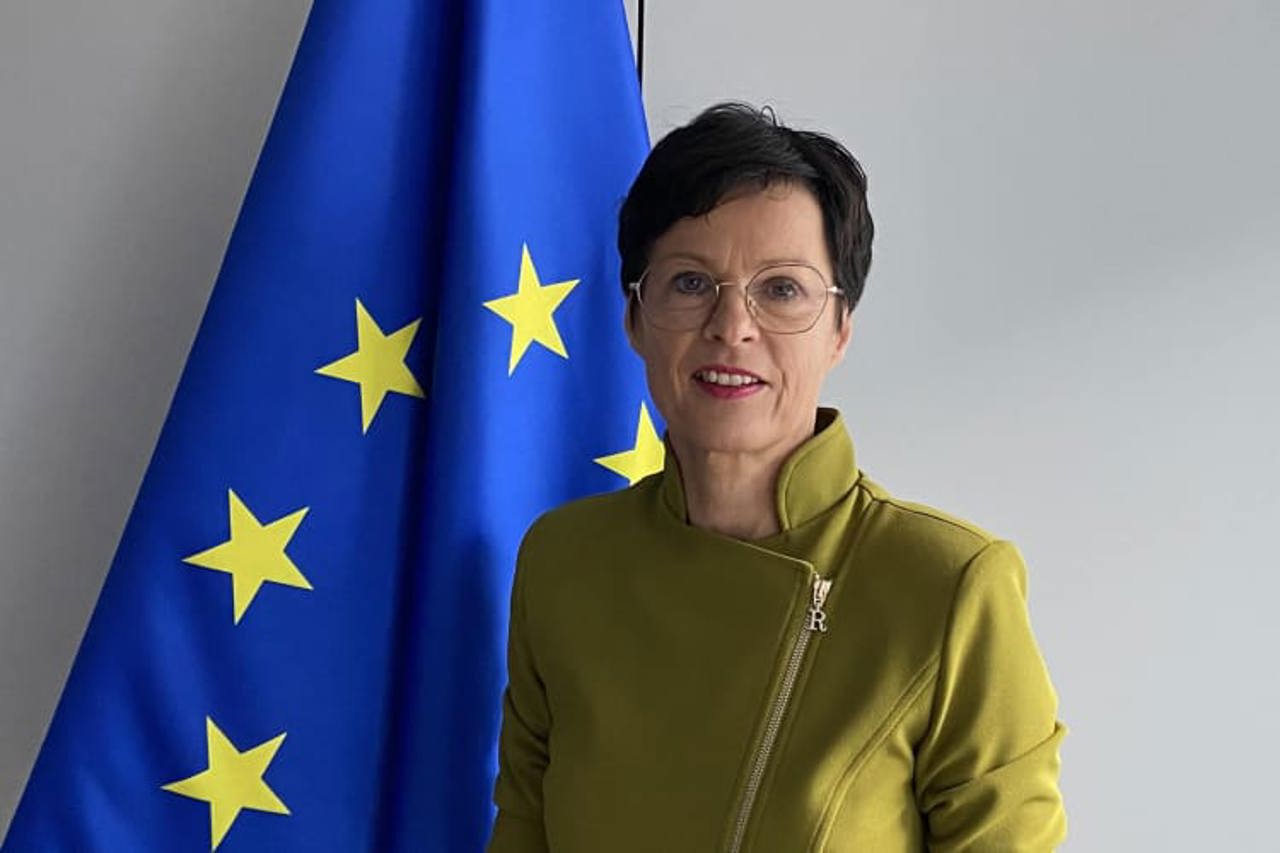
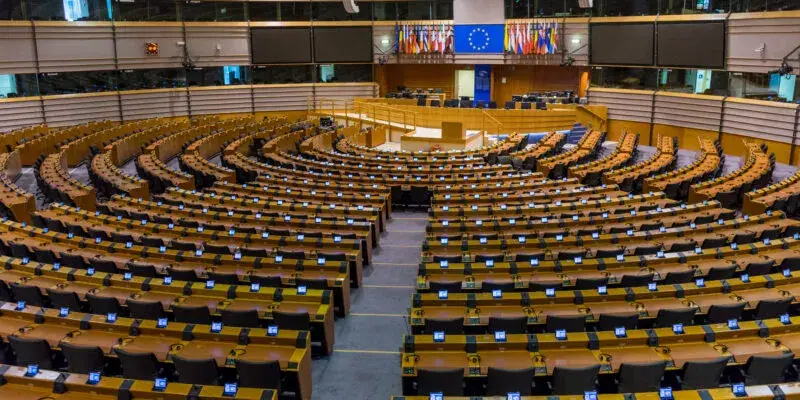
Next week, the Council of the European Union will meet to discuss the situation in Georgia. The corresponding statement was made by the European Commissioner for EU enlargement Marta Kos, who stressed that what is happening in the country is "far from what we expect from a candidate country."
Kos noted that Georgia's democratic foundations are "shaken day by day," and the ruling party continues to tighten legislation, subjecting the pro-European opposition and activists to harsh repression. All this, according to her, contradicts the values and principles of the European Union, whose task is to support civil society and independent media in Georgia.
Marta Kos said that the European Commission's funding of Georgian NGOs is currently estimated at more than 46 million euros, and another 32 million will become available after approval by EU member states. In this context, the European Commissioner lamented the recent repressive laws, in particular FARA, amendments to the Grants Act and the Broadcasting Act, which negatively affect the EC's ability to provide material assistance. Kos emphasized that the disinformation campaigns against the EU and Member States taking place in Georgia are unacceptable.
The European Commission representative also noted that the overwhelming majority of the Georgian population wants the country to join the European Union, while the Georgian government is leading the country away from the path of European integration. Therefore, according to Kos, only the ruling party bears responsibility.
"A return to the EU path can only be considered if the Georgian government takes credible steps to reverse the democratic backsliding, which means ending violence against citizens, releasing all unjustly detained people, suspending repressive laws and starting a constructive dialogue with civil society and all political actors to find a way out of the current crisis," Marta Kos said.
She also warned that "in the context of the deteriorating situation, the commission is ready to consider additional measures" that need to be agreed upon with EU member states.